In the digital age, keeping photos and videos is more complex than ever
In days gone by, older generations had photo albums of important family memories. The more "technophile" would turn to videotapes of crucial moments or travels. The situation is different today. Almost all of us carry a camera in our pocket. As a result, billions of images are produced every year. However, digital technology makes the survival of these captured moments more delicate. If the computer, network or telephone stops working, there's a good chance we'll never see these images again.
As this RTS report reminds us, the question of archiving is essential for both professional and amateur photographers. Those who make a living from it will rely on different hard disks to have several back-up copies. The same can be done by the general public, albeit at considerable cost. Especially as hard disks have a lifespan of 5 to 10 years. It is also advisable to digitize old VHS tapes, among others, to preserve a certain image and sound quality.
Cloud computing seems a more durable solution. Especially as most services operate in groups of 3 data centers and 3 hard disks. So, if one fails, the other two can take over in the meantime. This makes the disappearance of images a less likely scenario. It may be worth choosing local companies to take advantage of laws that better protect personal data, as in Switzerland compared with the USA.
Meanwhile, film photography is making a comeback among the younger generation. Just as vinyl has come back to life, it seems that one generation prefers the tactile side of glossy paper and film.
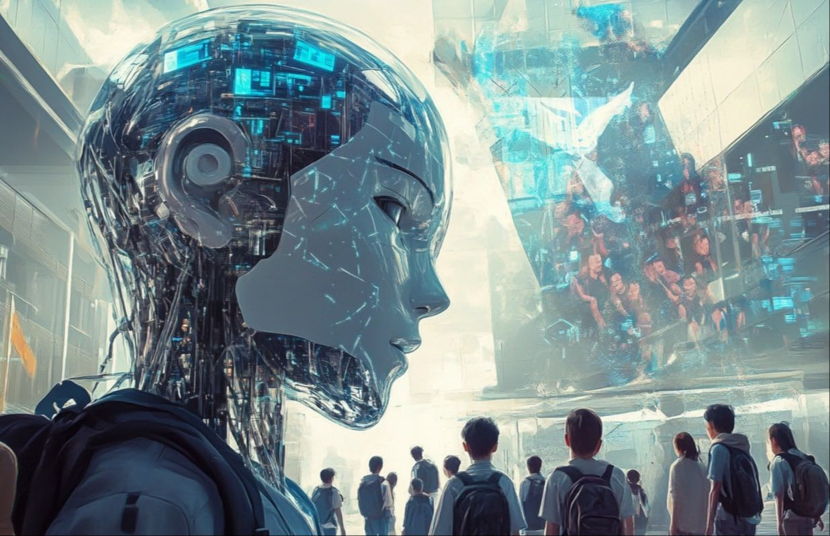
Artificial intelligence is profoundly transforming education by tailoring learning to individual needs, optimizing material and human resources, and reducing administrative burdens. Despite the challenges associated with its implementation, AI is paving the way for a more efficient, inclusive school focused on students and their needs.
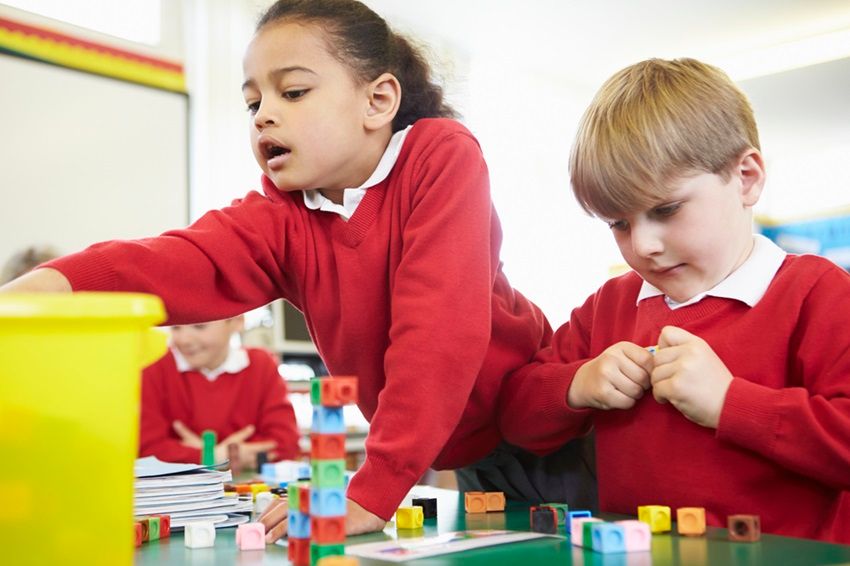
At first glance, mathematics may seem a little abstract to a child. They are presented with vague terms and concepts. The Singapore method helps pupils to concretize the precepts at the outset, gradually making them more abstract. But how well does it fit into the French system?
Virtual reality is certainly more than an expense as we are investing heavily in it. This is the way we are going but, even if the adventure seems fascinating, nobody really knows where it takes us...
A.I.-assisted faceted classification makes it possible to explore the possibilities of interdisciplinarity in virtually any field, and quickly identify the most promising combinations. Find out how.
There are some excellent online resources to help you better understand the particularity, strength and techniques of press illustration. When the tradition goes back this far, we understand its value and richness.