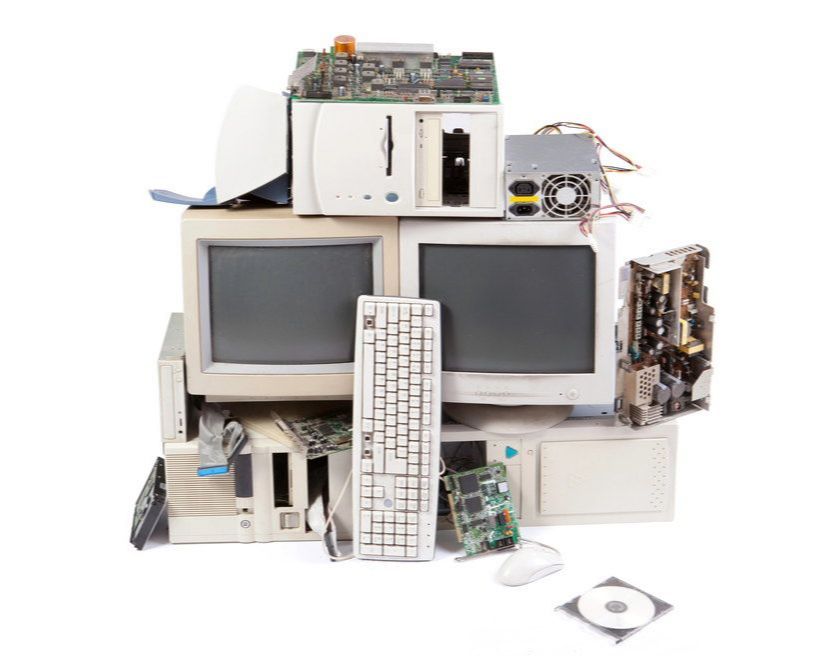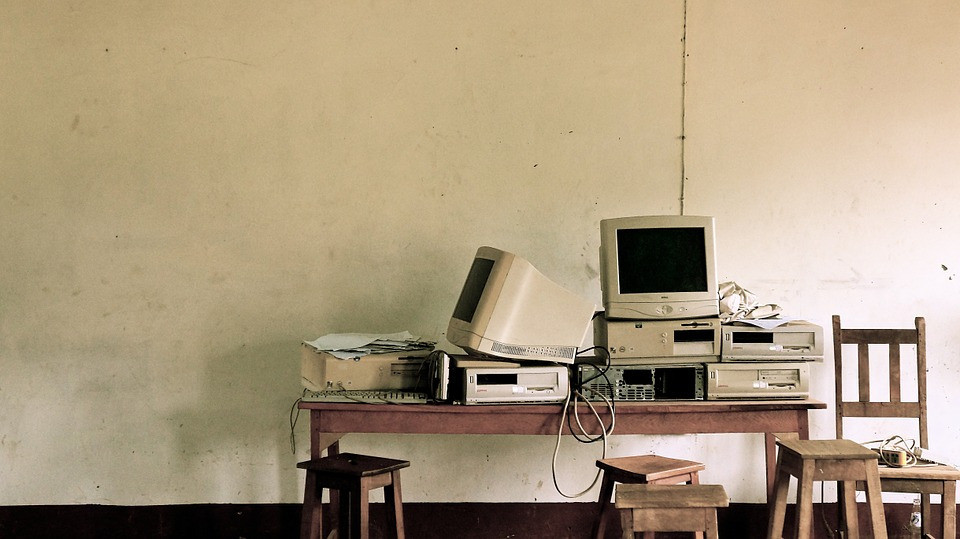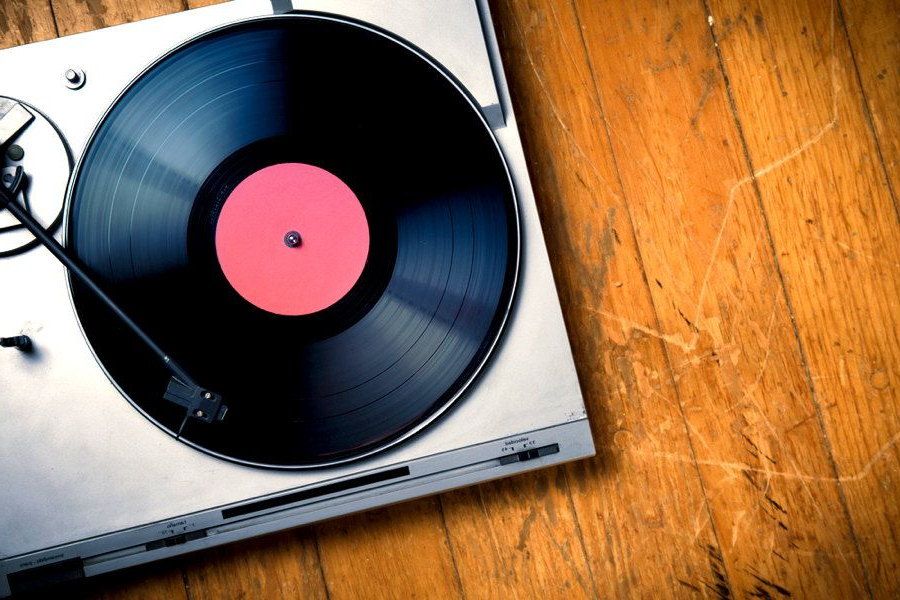
Since the Flash drive ceased to be supported in 2020, millions of Flash-based documents have had to be scrapped. With the advent of high-density memory, millions of CD-ROMs, floppy disks and other media are no longer of any use, their content being virtually indecodable, as their protocols are so far removed from those now in use. The most that can be done is to recognize the Ascap characters of a coherent text through a piece of abandoned code. This makes excellent multimedia courses virtually impossible to update.
To help us, the concepts of digital training can be useful: we have the basic units, the "grains", the radical molecules of training. Even if teaching methods change, there are always the grains of good, complete explanations. When problems change, the laws that govern the relationships between things and people remain. Principles don't change, but their applications do.
Technologically speaking, by separating text from formatting, even if formats change, you can still recover the essential content. This is a good principle, but it can be applied essentially to text. With artificial intelligence, it can now also be applied to images, sound and anything else we can perceive and qualify. Anything can now be transformed into meaning, regardless of its mediatization: text, speech, image, style... It's even possible to program an intention into computer code, an idea into an image, have a song composed for an event, produce a sound system for a course, have a specific electronic circuit or prototype assembled and finally 3D printed. Who's talking about preservation when you can create at will?
The "lifespan" of content then depends less on the medium than on its qualities: we delete or downgrade what is false or altered without knowing the source. It can also be censored, but this is a political matter. The lifespan of an opponent or a dissident idea in a dictatorship is generally quite limited.
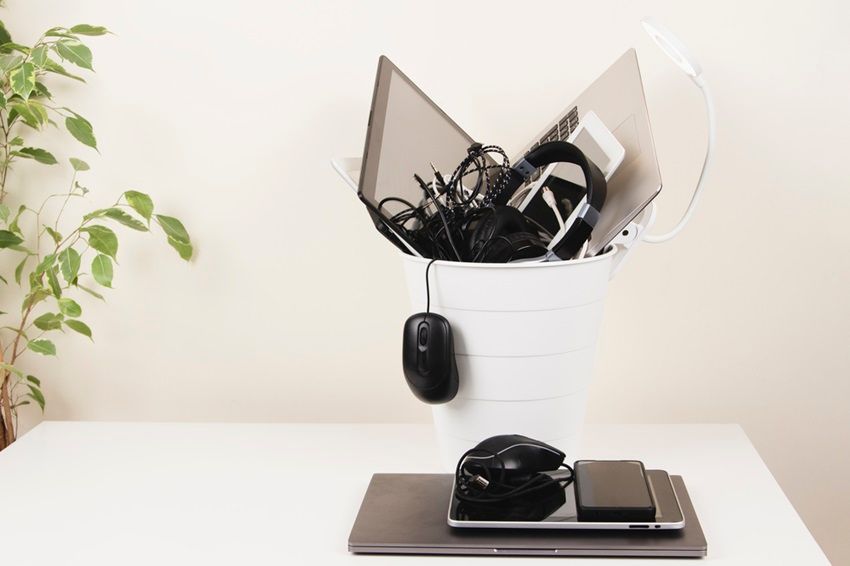
In material terms, many products and structures are complicated to maintain, repair or recycle. Waste and sanitation problems are widespread. Composite products are a real problem in the material as well as the virtual world, and principles for "recycling" are needed. From smartphones to solar panels, from books to modern works of art, we have a lot of work to do to learn how to maintain, conserve and dispose of our creations.
Denys Lamontagne - [email protected]
Illustration: fergregory - DepositPhotos