Electronics and people
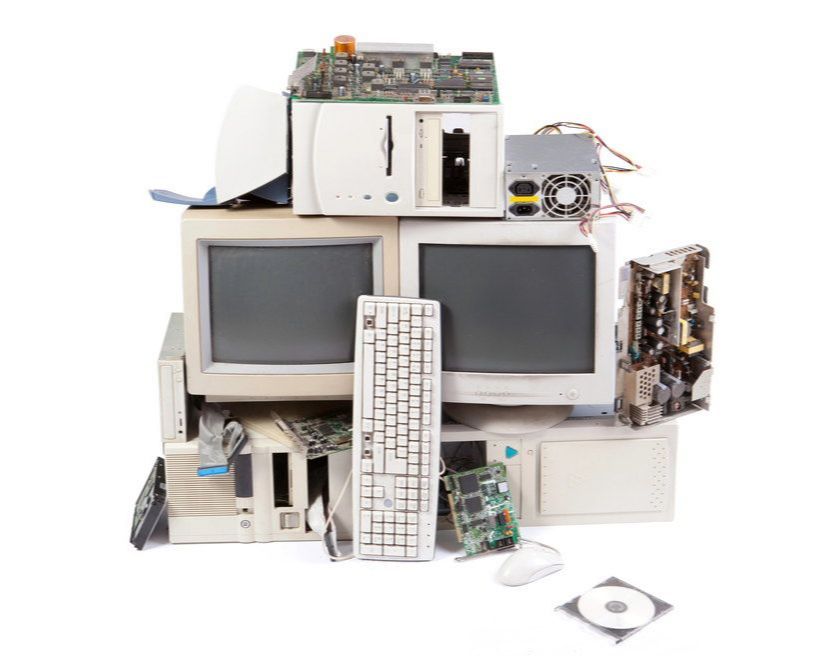
With 62 million tonnes of e-waste by 2022 (1), and less than 25% properly collected and recycled, e-waste is the world's fastest-growing waste stream - 5 times faster than our efforts to recycle it!
They are complex and costly to recycle, even with all the high-quality metals they contain, such as copper, aluminum and gold, or the rarer and often toxic cadmium and mercury. In the electronics industry, rare metals from recycling account for less than 1% of inputs... which just goes to show how difficult recovery can be.
What does 62 million tonnes look like? 1.5 million tractor-trailers filled with 44 tonnes each; enough to go more than halfway around the earth at the equator with bumper-to-bumper trucks (16.5 metres x 1.5 million = 24,700 km - Circumference of the earth at the equator: 40,000 km).
62,000,000,000 kg divided by 8 billion inhabitants comes to around 8 kg per capita, per year, very unevenly distributed; for example, 21 kg/capita in France and almost 10 times less in India (2). In any case, that's a lot.
The problem is that the life cycle of electronic devices is fairly short, less than 5 years in most cases, and they are difficult to repair. In any case, what's the point of repairing a device whose power consumption is higher than its replacement, whose performance is lower and whose repair cost approaches the replacement cost?
In short, we're going to keep on producing a lot of them, because the next electronic marvels will feature artificial intelligence chips, higher-performance memories and other properties that will render previous devices unsuitable even if they remain perfectly functional, like a fax machine, an iPod or an answering machine.
What about in our schools?
Measuring the weight of electronic equipment in my school
Below you'll find a generic list of the most common electronic devices and their approximate weight. We have weighed several of them.
We assumed an average school with 1000 students, 200 staff members, 40 classrooms, 25 students per classroom, and 8 sets of laptops shared between classes of the same level, a basic production studio for teaching materials, a library and a school-wide wi-fi network.
The weight of the devices is indicative; more recent models tend to be a little lighter.
Cables and connectors have not been included, as they generally last longer.
This gives a total of just over 5 tonnes, or one tonne per year, or 5 kg of electronic equipment per person. Assuming a generous lifespan of 5 years on average, this works out at 1 kg per year per student, a little less if we add staff. If we extrapolate this to a university of, say, 20,000 students, the figures become considerable and call for action.
Doing the same exercise for my household, I came up with a surprising total of 75 kg of electronics per person, including a number of decommissioned appliances still in the house; more than my body weight! Still assuming a slightly longer lifespan of 6 years, given less intensive use than in a school, this still comes to 12.5 kg per year per person. Still a long way from my fellow citizens' average of 21 kg, but if we add in the electronics used at work, in stores, hospitals, transport and all the places where we receive services, we should come close.
I invite you to do the math for your school and your home. Even approximate, the final figure still makes your head spin.
We applaud every innovation, investment or development in the semiconductor and electronics industry, but all this activity and production is starting to take its toll.
Weight in Kg of electronics in a school
with 1000 students and 200 staff.
|
Device
|
Weight
|
Number
|
|
Total weight
|
|
Electronic board
|
20,00
|
20
|
|
400
|
|
Electronic spotlight
|
4,00
|
20
|
|
80
|
|
Television and remote control
|
20,00
|
2
|
|
40
|
|
Set-top box
|
0,50
|
0
|
|
0
|
|
Overhead projector
|
2,00
|
8
|
|
16
|
|
|
|
|
|
0
|
|
Microphone
|
0,25
|
8
|
|
2
|
|
Amplifier, Pre-amp
|
10,00
|
4
|
|
40
|
|
Speakers
|
10,00
|
10
|
|
100
|
|
|
|
|
|
0
|
|
Calculator
|
0,25
|
200
|
|
50
|
|
Camera
|
1,00
|
10
|
|
10
|
|
Video camera
|
2,00
|
10
|
|
20
|
|
Laptop computer
|
2,00
|
200
|
|
400
|
|
Tablet computer (iPad)
|
0,75
|
50
|
|
37,5
|
|
E-book reader
|
0,65
|
10
|
|
6,5
|
|
Printer / copier
|
20,00
|
4
|
|
80
|
|
USB keys and other small devices
|
0,01
|
100
|
|
1
|
|
Robots
|
1,00
|
30
|
|
30
|
|
Removable hard drives
|
0,50
|
4
|
|
2
|
|
|
|
|
|
|
|
Graphics tablets
|
1,00
|
2
|
|
2
|
|
Electronic stylus
|
0,10
|
3
|
|
0,3
|
|
AR/VR headset
|
1,00
|
0
|
|
0
|
|
Game console
|
2,00
|
10
|
|
20
|
|
Portable game console (Gameboy)
|
0,50
|
0
|
|
0
|
|
Connected watch
|
0,50
|
0
|
|
0
|
|
Synthesizers and other electronic instruments
|
10,00
|
30
|
|
300
|
|
|
|
|
|
|
|
Smart phone
|
0,50
|
50
|
|
25
|
|
Desktop computer + monitor
|
6,00
|
200
|
|
1200
|
|
Mouse, keyboard
|
0,25
|
200
|
|
50
|
|
USB camera
|
0,10
|
200
|
|
20
|
|
Ear cushion
|
0,25
|
200
|
|
50
|
|
|
|
|
|
|
|
Server
|
5,00
|
2
|
|
10
|
|
Modem/ Router/ Wi-fi repeater
|
1,00
|
25
|
|
25
|
|
Mainframe computer
|
200,00
|
0
|
|
0
|
|
Electronic scoreboard 30
|
4,00
|
120
|
|
480
|
|
Parabolic antenna
|
20,00
|
0
|
|
0
|
|
Mounting or control console 20
|
1,00
|
20
|
|
20
|
|
GPS
|
0,25
|
0
|
|
0
|
|
Other devices
|
20,00
|
1
|
|
20
|
|
|
|
|
|
|
|
Security camera
|
5,00
|
10
|
|
50
|
|
Access control
|
50,00
|
2
|
|
100
|
|
Clocks
|
1,00
|
50
|
|
50
|
|
Intercom
|
0,50
|
50
|
|
25
|
|
Fire and CO detectors
|
0,50
|
20
|
|
10
|
|
Door bell
|
0,50
|
2
|
|
1
|
|
Electronic scale
|
1,00
|
5
|
|
5
|
|
Alarm system
|
2,00
|
2
|
|
4
|
|
Other small electronic devices
|
1,00
|
10
|
|
10
|
|
|
|
|
|
|
|
Discontinued devices sometimes used
|
|
|
|
|
|
|
|
|
|
|
|
iPod-type music player
|
0,25
|
0
|
|
0
|
|
Telephone modem
|
0,50
|
1
|
|
0,5
|
|
Telephone answering machine
|
1,00
|
0
|
|
0
|
|
Tamagortchi
|
0,10
|
0
|
|
0
|
|
Walkma n
|
0,50
|
0
|
|
0
|
|
Cathode-ray television
|
30,00
|
40
|
|
1200
|
|
Desktop computer without internet
|
15,00
|
5
|
|
75
|
|
Electric typewriter
|
20,00
|
2
|
|
40
|
|
Audio or video cassette player
|
5,00
|
2
|
|
10
|
|
Record player
|
5,00
|
2
|
|
10
|
|
Fax machine
|
10,00
|
2
|
|
20
|
|
Radio receiver
|
5,00
|
1
|
|
5
|
|
|
|
|
|
|
|
|
|
|
|
5152,8
|
What do we do about it?
At the moment, we're collectively putting off the problem as we do with plastic: electronic waste sent for recovery is far from all recycled, even when we'd like it to be. The rest is buried, burned or exported to other countries (around 10% is exported, i.e. 5.1 million tonnes in 2019, 2/3 of it illegally or uncontrolled (3)).
The idea of mass reconditioning of electronic devices is unlikely, as long as innovations continue to follow one another at the current pace. Their recovery is more feasible with incentives and major technological developments. For batteries alone, separating dozens of different components into hundreds of different battery types is both a technological and logistical challenge. Now imagine the operation for objects as complex and dense as cell phones or as tiny as Bluetooth headphones.
A Bruntland green school, a Leed-certified school, a zero-emission school or whatever other title it may have earned is, like all others, caught up in the problem of electronic consumption. We can certainly raise students' awareness, but we can't disconnect them from technological progress or withdraw from social activity by refusing to buy them. Buying less, sharing them more and for longer, and improving them as much as possible are possible avenues for schools to explore, while we wait for manufacturers to develop products that can be more easily recycled, and for applicable laws to oblige them to do so.
In the meantime, the exercise of measuring the weight of electronics with your students is worth all the talk.
Illustration: artstudio_pro - DepositPhotos
References
(1) The global E-waste Monitor 2024
Electronic Waste Rising Five Times Faster than Documented E-waste Recycling: UN
https://ewastemonitor.info/the-global-e-waste-monitor-2024/
(2) The weight of our electronic waste 2019- Statista
https://fr.statista.com/infographie/20134/dechets-electroniques-kilo-kg-par-habitant/
(3) The Global Transboundary E-waste Flows
https://ewastemonitor.info/global-transboundary-e-waste-flows/
See more articles by this author