A night at the museum... of philosophy
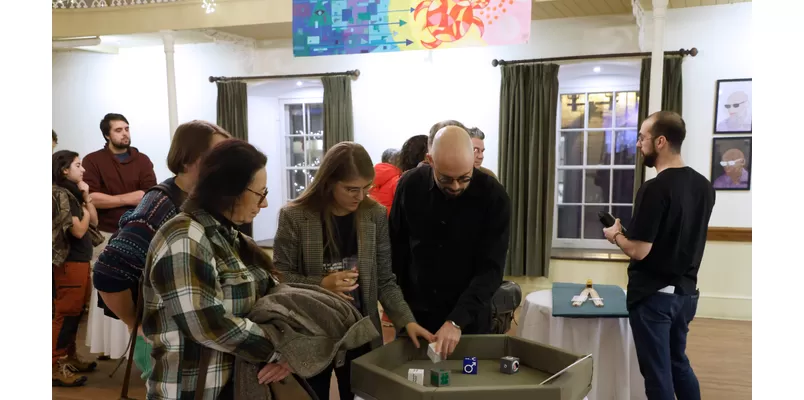
"A Night at the Museum of Philosophy", is an ephemeral museum with workshops, games and lectures, all in a friendly, lively atmosphere.
Publish at August 19 2019 Updated October 22 2025
Date: August 19 2019 to August 19 2021


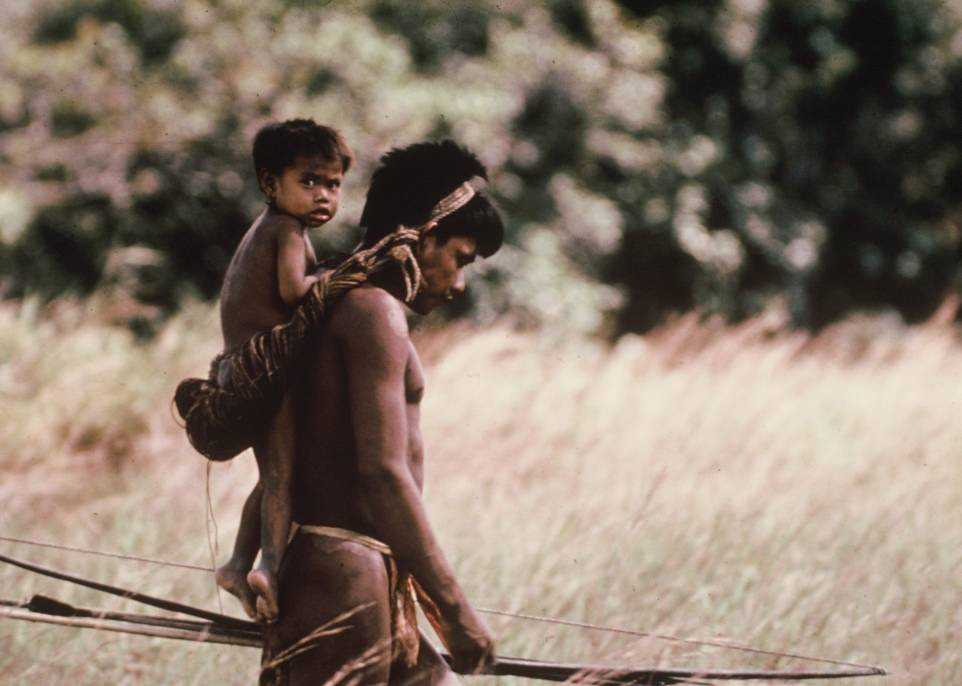
The thesis "Les Cuivas" that Bernard Arcand defended in 1971 at the University of Cambridge, England, is unique in that, contrary to common practice, it was not published during the author's lifetime.
Bernard had it sealed up in Cambridge," explains Professor Sylvie Poirier of the Department of Anthropology. He feared that people with power, such as missionaries in search of souls to convert or companies in search of natural resources to exploit, would appropriate his research and dispossess the Cuivas of their way of life and territory, their cosmology, their identity - in a word, their humanity.
It was a very strong political and ethical position. It was also a courageous one, as pressure from the academic research community demanded that we publish our thesis so that the quality of our research could be seen. In the Department, my colleagues and I understood Bernard's gesture very well."
For Sylvie Poirier, the Cuivas of yesteryear represented an extraordinary example of freedom. "We imagined them on the edge of survival, whereas they were at the beginning of abundance," she explains. They spent several hours a day in their hammocks, with the larder nearby!"
In dialogue with nature, these people possessed an extraordinary knowledge of their living environment. In her view, modern societies would benefit from drawing inspiration from the values that formed the basis of the Cuivas' social functioning, such as the absence of competition, sharing and egalitarian gender relations.
For the full article: À la rencontre des Cuivas, by Yvon Larose
Learn more about this news

2325, rue de l’Université
Québec, Qc - G1V 0A6
Canada
1 877 606-5566
View profileYou might also like:
A night at the museum... of philosophy
"A Night at the Museum of Philosophy", is an ephemeral museum with workshops, games and lectures, all in a friendly, lively atmosphere.
When we know that beyond 4 variables, the human brain has difficulty predicting what's going to happen, how do our elected representatives cope with complex problems?
Journey of the Merope rocket: flawless flight [Video]
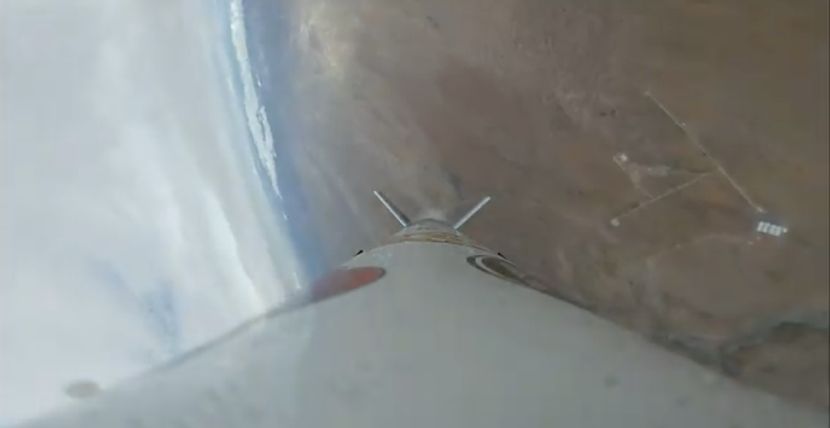
Sixteen students from the Groupe aérospatial de l'Université Laval (GAUL) designed and launched a rocket named Mérope at the Spaceport America Cup, an international competition held in the New Mexico desert and involving over a hundred university teams. Check out the video.
Hospital waste by the ton and how to reduce it
The report proposes a number of possible actions at both technical and organizational levels to reduce both the quantities thrown away and the environmental footprint of hospital activities, especially as any reduction in pollution and waste has a positive influence on overall health.
An effective awareness-raising project on information manipulation
"If students are informed, exposed to cases that speak to them, led to experiment and think together, they understand that their actions can make a difference."