Vibro-acoustics and transportation - Influencing the main source of noise on the planet
Noise generated by the transportation industry is the largest source of noise on the planet.
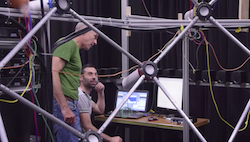
"The noise generated by the transportation industry is the main source of noise on the planet. And it's increasing year after year, simply because traffic is increasing," illustrates Alain Berry, professor of the new Canada Research Chair in Vibro-Acoustics Applied to the Transportation Sector.
The transportation industry is an important sector in Canada: aeronautics is the 3rd largest in the world, and the automotive industry is 8th. As certifications will be increasingly stringent for aviation companies, for example, concrete actions in research and development are welcome.
With the majority of noise sources coming from vibrating elements, this new research chair will have precisely the objectives related to this complex problem. Professor Berry and his team will focus on the identification, reduction and reproduction of acoustic radiation from vibrating objects.
But will reducing vibration automatically result in noise reduction? Not necessarily. In the transportation sector, we are dealing with complex systems. Objects are large, materials are increasingly complex, structures are lightened, and a wide range of acoustic frequencies is covered. "This is not good news for the acoustician, because it increases the probability of having a lot of noise...", continues the scientist. Nice challenges on the horizon!
An American novelist recognizes in this magnificent text all that creators owe each other, in a permanent circulation of inspirations and tributes that knows no temporal barriers, economic barriers, or disciplinary boundaries.
All over the world, educational reforms continue to be implemented time and again. Generally, proposals put forward by public authorities fail to take into account the reality of today’s schools. What if, to regain teachers’ loyalty, we involved them in decision-making and even in research?
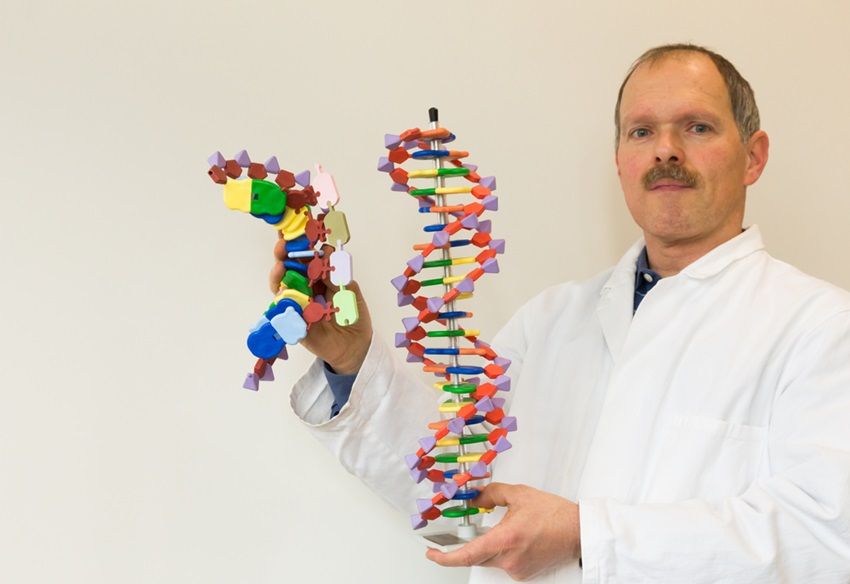
Among the major scientific discoveries, that of genetics has revolutionized our vision of the living world. Scientists now have access to the blueprints of many living beings, from the smallest viruses to the largest animals. In the teaching of biological sciences, the question of introducing genetics is no longer an issue, but one that is developing tremendously!
A significant number of students entering higher education experience disappointment. The choice they make doesn't correspond, or no longer corresponds, to their ambitions. Is this so serious? Or is it an opportunity for introspection, leading to a more appropriate course of study for each individual?
Metaphor is a paradoxical detour. It moves away from what it explains to make it clearer. But this figure of speech can take us even further. It certainly makes us understand what the trainer already knows. But it can also encourage us to discover new ideas or functions.
.
We offer a panorama of the most frequent metaphors in training and group facilitation.