Social disadvantage and the educational pathways of individuals
Far from "equalizing" opportunities, education can be a powerful engine of social selection.
Publish at September 22 2008 Updated January 14 2026


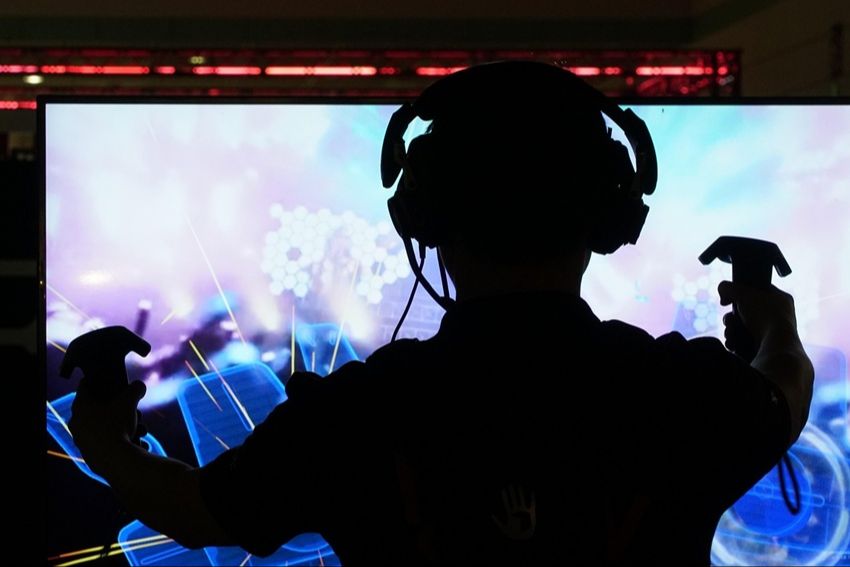
The game associated with the Launchpad exhibition at London's Science Museum aims to introduce young visitors (aged 8-14) to the world of physics, the properties of different materials and how electricity works.
WithLaunchball, you can get to grips with the game online, as you use bricks made of materials that conduct electricity, heat and energy to create a ball of boards that quickly become a real puzzle.
The game is very accessible, yet complex and fun. An excellent game which, through its themes and the questions it raises, also invites players to visit the exhibition and come full circle.
Try Launchball
You might also like:
Social disadvantage and the educational pathways of individuals
Far from "equalizing" opportunities, education can be a powerful engine of social selection.
They who were once called the public are becoming collaborators (@LanceWeiler, on the MCN 2014 conference Twitter feed): how does this collaboration work around museum collections? Some digital museum experts answer and give examples.
It's not so difficult to travel responsibly...
Asking people not to travel seems difficult and even a little counter-intuitive. Getting out of the house and out of the classroom has an important educational value. On the other hand, given today's environmental challenges, it seems necessary to rethink our approach to tourism in order to create wealth in the communities we visit, while reducing the footprint of the journey.
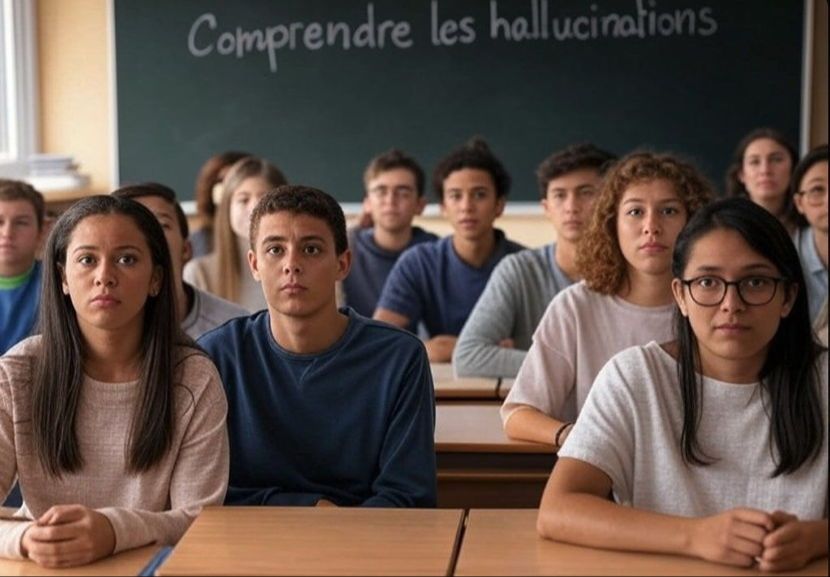
A.I. hallucinations: when it invents realities
AI can generate erroneous information or "hallucinations", with repercussions in critical sectors such as healthcare, justice and education. To mitigate these risks, we need to improve training data, design accurate prompts and encourage AI self-assessment. Education and responsible use are essential to limit these AI drifts.
AI in simulation-based learning
Simulation-based learning also brings a practical element to training. This is becoming easier with the democratization of virtual reality, for example. In recent years, another technology has been making inroads: artificial intelligence. Could it transform educational simulations?