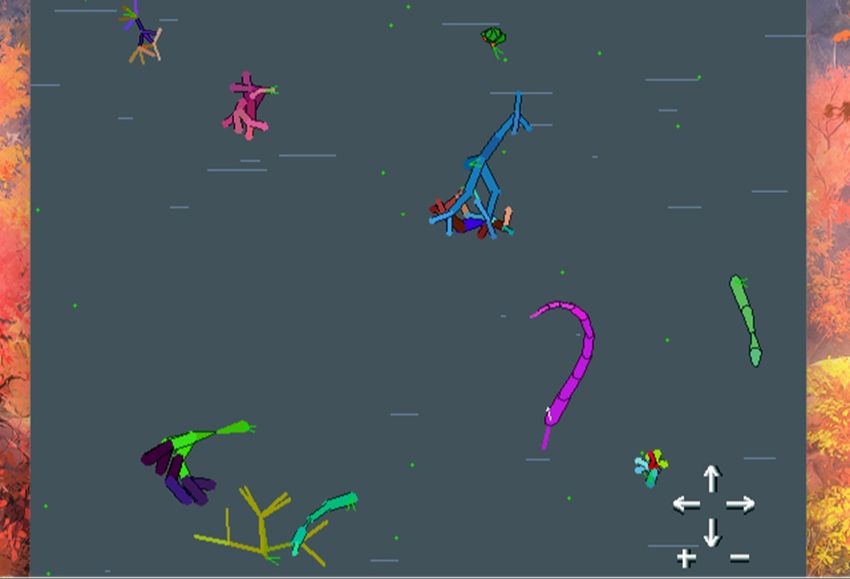
A virtual aquarium to understand Darwinian evolution
Is it possible to understand evolution through simulation? It would seem so. A very interesting resource for high school science classes.
Publish at October 15 2020 Updated October 20 2022


While in many countries access to clean water is still arduous, this is not the case in places like France. At least, that was true until the late twentieth century. However, climate change is changing things. Indeed, some French water tables are providing less water , this in relation to the amount of precipitation received during the winter, among other things.
As a result, as this report from Le Monde shows, some places are trying to artificially recharge the water tables in order to maintain their sustainability. For example, at the Pecq site, water is pumped from the Seine and piped into various facilities to filter it of its waste. It then seeps into the ground, and this to the aquifer environment. The water can be drawn and purified again for human consumption. A practical alternative, but unfortunately not applicable everywhere.
Length : 8min33
Illustration : moritz320 from Pixabay
Learn more about this resource
You might also like:
A virtual aquarium to understand Darwinian evolution
Is it possible to understand evolution through simulation? It would seem so. A very interesting resource for high school science classes.
Tests of vigilance and attention
Measuring attention remains a concern in many settings. Some work tasks are not very error tolerant. Here are a series of sample tests to measure attention in children and adults.
Develop your musical ear through play with Meludia
To a layman, music is just a tune performed by a musician. Yet, if he were to play Meludia, he would learn all the rudiments and terms associated with musical practice.
A series of games that require an ear.
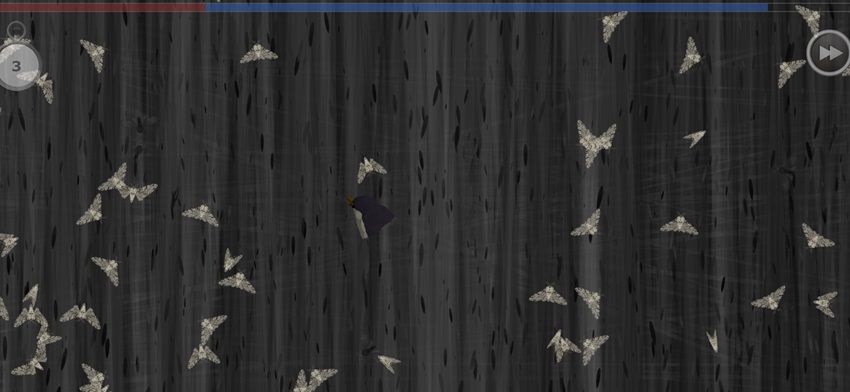
"Phalenes! understanding natural selection through play
A serious game designed to demonstrate natural selection and its effects on a moth population.