A distinction between sympathy, empathy and being an empath to open us up to human potential.
Publish at November 10 2021 Updated November 19 2021


For historians, much of their work is based on the analysis of archives found or kept by states, organizations, museums, etc. Indeed, these documents are precious witnesses of bygone eras; pieces of daily, administrative or ecclesiastical life that speak volumes about their time. Among all those in existence, there is one that arouses the wildest fantasies: the secret archives of the Vatican.
Or, as the excellent videographer Nota Bene reminds us in this capsule, the name comes from a bad translation. In fact, they're not really any more secret than France's. Besides, the Hexagon has had access to these papers.
In fact, the Napoleonic regime repatriated to its territory the entire archive of the time, that is, more than 45,000 registers. Archivists have therefore analyzed and inventoried at length the contents, which are summarized in correspondence, administrative documents of the papal states, papal bulls, etc. Not much to give Dan Brown a new idea for a novel after all.
Always in the rigorous and humorous tone of Nota Bene
Time: 16min40
Illustration : Jeremy Bezanger on Unsplash
Learn more about this resource
You might also like:
A distinction between sympathy, empathy and being an empath to open us up to human potential.
Beyond Google: finding answers to questions
When you see someone searching, they're on the path to knowledge. All research starts with a question, but sometimes the answer is more complex than it seems, and the question evolves as you go along. You could be interested in dinosaurs and end up as a bio-paleo expert in search of the first bacteria. Learning and understanding are part of our intelligent nature.
Profound change takes time to build.
Polyvagal theory teaches us that our bodies possess a hierarchy of physiological states, all of which are essential. Above all, it teaches us that these states can be consciously or unconsciously regulated to promote confidence, security and resilience.
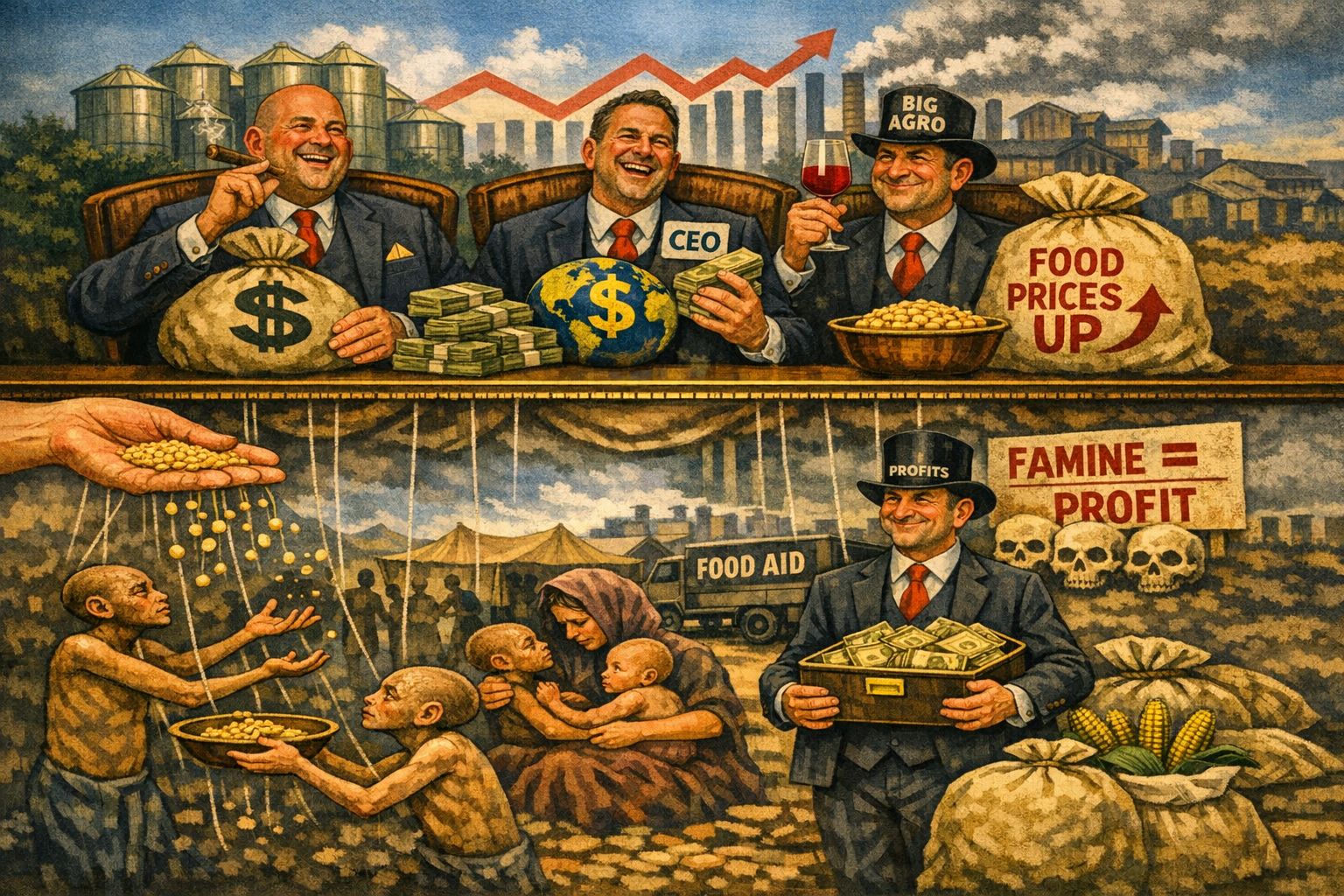
Agritech: how to explain persistent famine?
the persistence of famine has its origins mainly in unfair policies, a food system held in an iron grip by powerful agribusinesses preoccupied with capitalist interests.