For equitable access to quality education for all.
“We must view the fight against corruption as an integral part
of efforts to achieve the Sustainable Development Goals. This
sector must be free of corruption to ensure the
implementation of educational plans and policies aimed at equitable access
to quality education for all.
Muriel Poisson, IIEP expert on ethics and corruption in education“
Combating corruption in education is essential to achieving equitable, inclusive, and high-quality education for all.
IIEP-UNESCO unveils the new version of its ETICO website, an online platform that helps decision-makers and planners identify and combat corruption in education.
ETICO provides them with a wide range of resources: interactive tools, guidelines, training materials, and a blog featuring news from the global anti-corruption community.
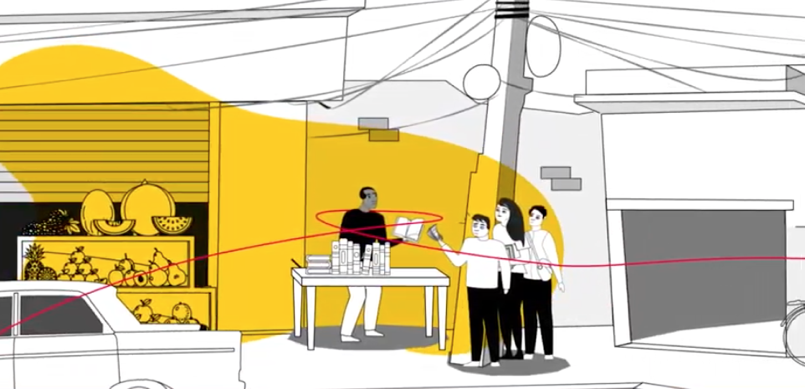
Corruption in Education: What Happens When the Line Is Crossed?
The new ETICO website provides policymakers, planners, researchers, and engaged citizens with easier access to diagnostic tools, training materials, strategies, and interactive maps to put corruption at the top of the agenda.
Raising your voice when the hubbub starts. This is the kind of solution that ends up accentuating the problem. The noise level in private discussions adapts, and gradually everyone loses their energy. So what can you do to attract and keep attention? We've come up with a few ideas, some of them surprising, that can be used both face-to-face and remotely.
Teaching subjects such as social sciences and even certain scientific theories can lead to a direct confrontation with convictions, beliefs or references that are not shared by all. How to teach in this context?
Of all the continents and places to explore, one of the most fascinating lies within us: our brain. For centuries, we've been trying to demystify it. However, fascination with neuroscience has led to an authority bias among students and teachers, who often give credence to misconceptions.
The integration of students with disabilities is still problematic. Many teachers admit that they do not know how to deal with children with hearing difficulties. However, there are various ways to integrate them, even in non-specialized classes.