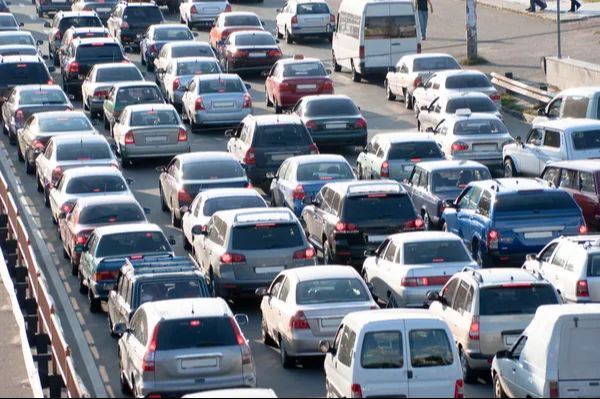
Road traffic, perception of nuisance [Thesis]
Road traffic causes all kinds of nuisance. How are they perceived?
Publish at February 16 2022 Updated February 24 2022


What sociotechnical imaginaries and values govern the governance of research in Flanders and Wallonia? An analysis of the practices and discourses that organize research and "provide a framework for action for institutions and researchers working on the production and dissemination of scientific knowledge."
This article is reserved for subscribers to the full edition. You can subscribe Here.
You might also like:
Road traffic, perception of nuisance [Thesis]
Road traffic causes all kinds of nuisance. How are they perceived?
Smells are a dynamic and subtle modality for recalling specific and rich events and memories. These memories are more detailed and emotional in nature and their richness can be developed through training, through sensory associative practices, and by breathing more slowly.
Education for greater well-being (Thesis)
The direct link between education and well-being is not so immediate; a recent thesis offers us a comparative and international perspective on this relationship, with regard to the diversities of social protection systems, with consequences for education systems.. and fulfillment within a society.
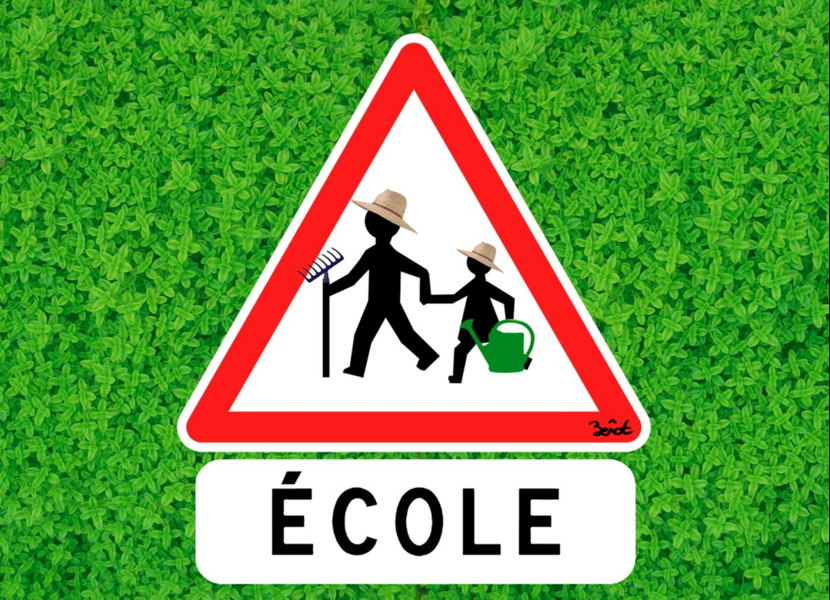
The Garden School against everyday crises and disasters [Thesis].
For the first time in living memory, the new generation will have less than the previous one. Ecological, economic, social and health crises are disrupting our societies, our way of living together and the school. In difficulty, the institution no longer inspires dreams and seems inadequate to respond to the crises we are going through. What if it was enough to change the paradigm and to think of the school-garden? Let's find out with Gilles Delesque and his thesis.
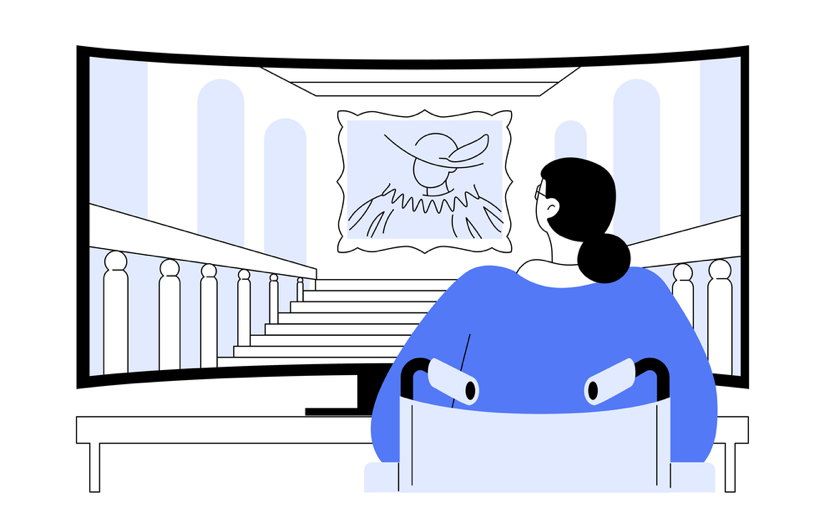
Virtual tours, learning and the desire to learn [Thesis]
Can virtual tours help art history teachers?