Is illness necessarily a barrier to schooling? In general, no. Even in the midst of the covid-19 pandemic, sick students were losing about 10 days of school, and some were able to continue attending classes with distance learning. A solution that will likely remain in teachers' toolkits in the future.
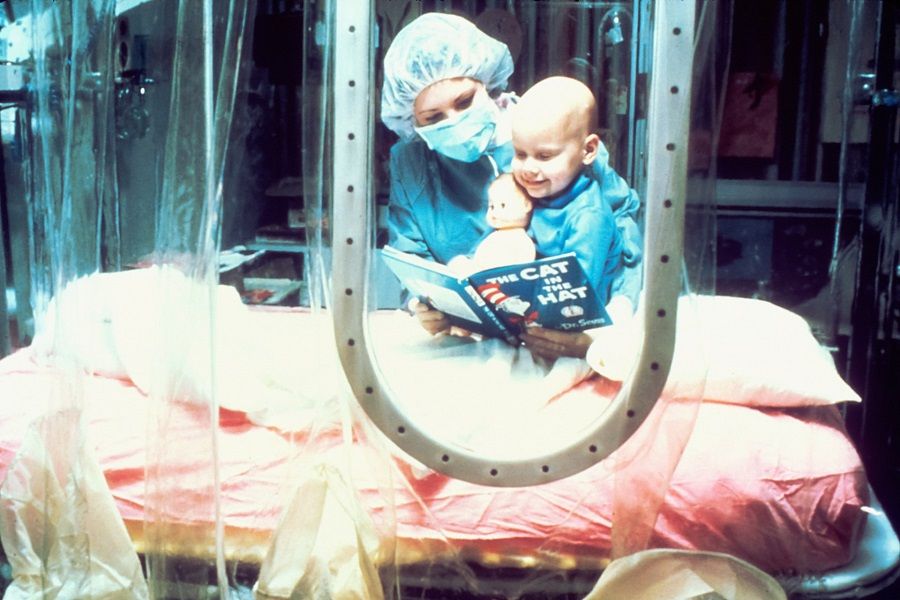
However, some students experience more serious situations. Aggravated forms of illness, cancers and other health problems that require a hospital stay. For all that, no one wants a hospitalization to signal the end of a school year.
Ensuring Educational Continuity
The issue of care-study has been around since the postwar period in France. As julie Trévily reminded us in this article, the Fondation Santé des Étudiants de France offers adapted schooling structures among hospitalized children. In 2005, the law of February 11 reaffirmed the right of access to appropriate education, regardless of the child's health status. Thus, arrangements such as Apadhe (educational support at home, hospital or school) have been put in place so that primary and secondary students can continue their school year. A program that is developed by the learner and their family. They can decide whether classes are held at home, at school or in the hospital if needed.
This type of schooling is special because it requiresa true collaboration between the school and the care facility. In addition, the motivation of hospitalized students can be much more unstable. Illness and treatment have significant effects on engagement and teachers need to be aware of this. The latter must be alert to potential problems or learner fatigue. Thus, flexibility is key, especially since those who communicate their knowledge in the hospital cannot always follow up like their colleagues in the classroom. Hospitalization never has the same duration or effects for every child.
This also means adapting one's teaching to the setting. Whether at home or in the clinic, the teacher does not have access to the tools and environment of school. However, he can take the hospital setting as a concrete reference, use the materials, etc. Moreover, he or she will need to be a partner with the medical staff and vice versa.
France is not the only country to reflect on schooling for hospitalized students. Belgium has created a website about the Hospichild scheme that addresses all the questions parents in the Brussels region may have about their child's hospitalization and schooling. Italy has done the same. In fact, the program was heavily used as the covid-19 pandemic affected (sometimes severely) the younger generations.
Preparing for the return
The return in all this? Indeed, in most cases that go well, children will be able to return to school. Good news that comes with its own set of questions. Especially since some diseases can leave physical and psychological after-effects.
Some medical procedures, while curative, also tire students. Others require ongoing treatment, even outside of health facilities. That's why France is banking on the PAI (individualized reception project). These forms to be filled out and provided to the school make it possible to prepare the latter if the child has, among other things:
- a specific pathology
- respiratory problems
- allergic reactions
- complications related to treatments
The doctor can also fill out a liaison document for another state education colleague so that he or she will know more, should he or she be absent, about the specific condition. This return is crucial because it is possible that a long period of recovery has led to rejection of school or certain academic difficulties. Surrounding the child ensures educational continuity for the child despite the medical context.
Photo : National Cancer Institute on Unsplash
References :
Caggiano, Giuseppina, Lucia Ilaria Giulia Brunetti, Kathleen Ho, Angiona Piovani, and Alessia Quaranta. "Hospital School Program: The Right to Education for Long-Term Care Children." PubMed Central (PMC). Last updated November 18, 2021. https://www.ncbi.nlm.nih.gov/pmc/articles/PMC8583304/.
"What is hospital or school-based home educational support?" My Disability Journey. Last updated: February 21, 2022. https://www.monparcourshandicap.gouv.fr/scolarite/en-quoi-consiste-laccompagnement-pedagogique-domicile-lhopital-ou-lecole.
"Teaching in The Hospital." All in The School. Last updated: October 11, 2021. https://www.tousalecole.fr/content/enseigner-%C3%A0-l%E2%80%99h%C3%B4pital.
"La Scolarisation Des élèves Atteints De Troubles De La Santé." Onisep. Last updated: October 18, 2021. https://www.onisep.fr/Formation-et-handicap/Mieux-vivre-sa-scolarite/Par-situation-de-handicap/Scolarite-et-troubles-de-la-sante/La-scolarisation-des-eleves-atteints-de-troubles-de-la-sante.
"La Scolarité De L'enfant Gravement Malade Et/ou Hospitalisé." Hospichild. Accessed March 19, 2022. https://www.hospichild.be/scolarite/.
"At The Hospital, Children Also Go To School." Caf.fr. Last updated: November 10, 2021. https://www.caf.fr/allocataires/vies-de-famille/elever-ses-enfants/scolarite/a-l-hopital-les-enfants-vont-aussi-a-l-ecole.
Rioux, Martine. ""Distance Learning Will Always Have Its Place." École Branchée. Last updated September 27, 2021. https://ecolebranchee.com/la-formation-a-distance-aura-toujours-sa-place/.
"Schooling And Hospitalization: Preparing For Back To School." Onisep. Last updated: October 18, 2021. https://www.onisep.fr/Formation-et-handicap/Les-parcours-de-scolarite/Modes-de-scolarisation/Jeunes-en-situation-de-handicap-des-cours-loin-de-l-ecole/Scolarite-et-hospitalisation-preparer-le-retour-a-l-ecole.
See more articles by this author