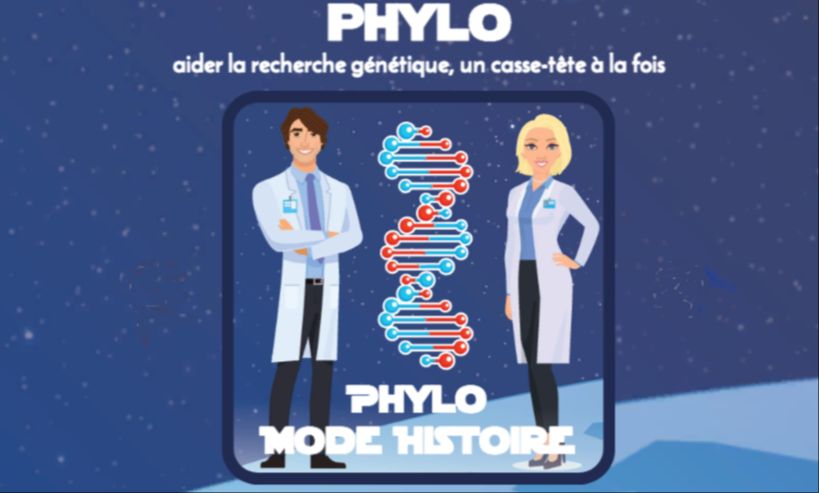
Phylo - Learn how to sequence a genome!
A game to enter the fascinating world of genetics.
Publish at April 12 2022 Updated April 21 2022


We always associate with young people the will to change the world. Nothing is more normal at the beginning of one's life than to see the state of things and desire transformations. Yet the idea that old people have no desire for what surrounds them to improve could not be more wrong.
Journalist and documentary filmmaker Julia Mourri explains in a TED talk how the old people she has met internationally and in France can, instead, help the young.
She witnessed her grandmothers in Senegal who experienced forced marriages that kept them out of school. So they decided that their granddaughters and great-granddaughters would not experience the same fate. So they are not afraid to confront family members who want to forcibly marry off a teenage girl.
In the Netherlands, senior citizens offer their services to make it easier for children with an immigrant background to find work. A far more effective activity than the Dutch equivalent of the Job Centre.
Not all senior citizens are volunteers at heart, but we would be wrong to think that none of them are trying or working to make the world a better place.
Time: 12min53
Illustration: Sharon Sivertsen on Usplash
Learn more about this resource
You might also like:
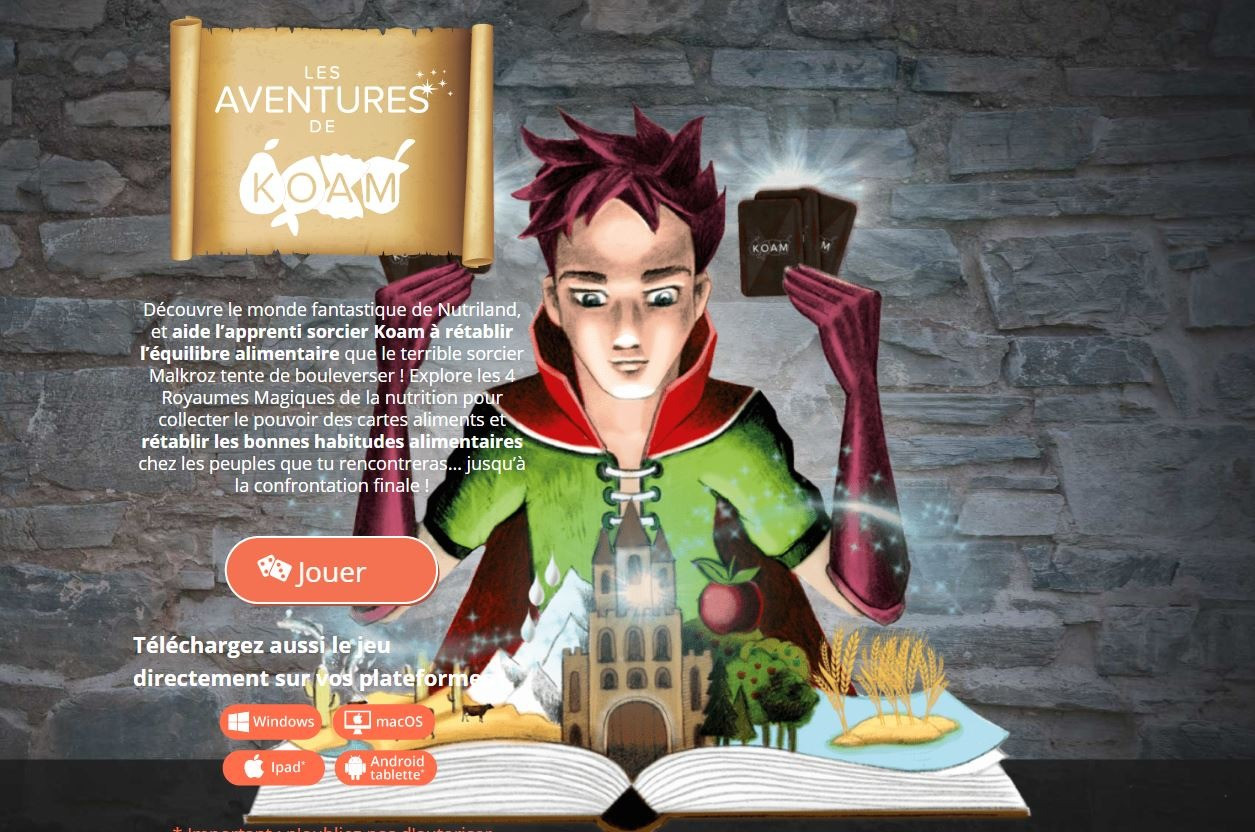
Koam, playing with balanced nutrition
A veritable showcase for public health, Koam was developed by Nutrikeo, a consulting firm specializing in nutritional strategies. Supported by BPI France, the Nouvelle Aquitaine region and Europe, Koam is the result of two years' work by a team of leading specialists in nutrition, childhood, pedagogy, sociology, digital and behavioral theory.
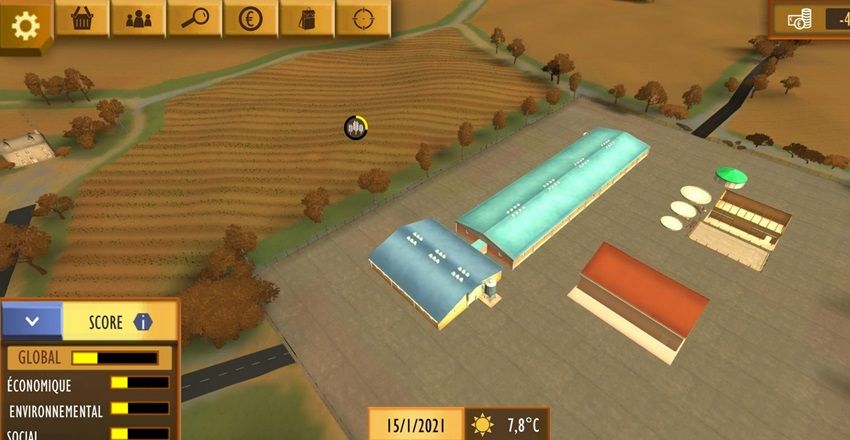
Reflecting on agroecology through play
There's nothing simple about being a farmer. You have to plan your activities throughout the year, make sure you have the right machinery, maintain it and so on. All with a view to ecology. A serious French game seeks to teach agroecology.
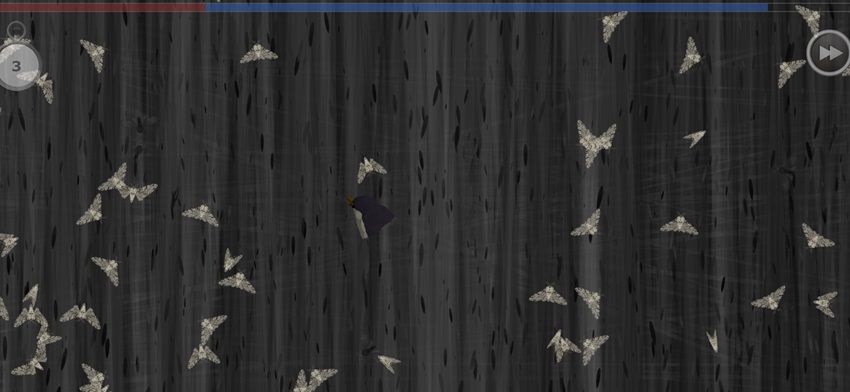
"Phalenes! understanding natural selection through play
A serious game designed to demonstrate natural selection and its effects on a moth population.
"Space Shelter: Google's cybersecurity game
All our lives have an online component. As a result, a large proportion of Internet users are at risk of being tricked by hackers. A short game invites Internet users to remember certain elements of cybersecurity using a space theme.