Phylo - Learn how to sequence a genome!
A game to enter the fascinating world of genetics.
Publish at September 27 2022 Updated September 27 2022


The history of human habitation is peculiar. When we look at the earliest houses, most adopted roundness. Whether it was teepees, igloos or yurts, it seems that early civilizations were obsessed with circles. Yet today, bubble houses are extremely rare. How can this be explained?
In fact, in order to house more citizens in one place, engineers have noted throughout history that it was more interesting to use lines and right angles in order to delineate buildings more simply. Bubble houses appeared in the post-World War II period when some architects wanted to bring singularity and more luminous dwellings. Thus were born some initiatives in the 1960s and 1970s. Then, real estate regulations sealed the fate of these houses that, ironically, are nowadays part of the international heritage.
Time: 5min20
Picture credit: en.depositphotos.com
You might also like:
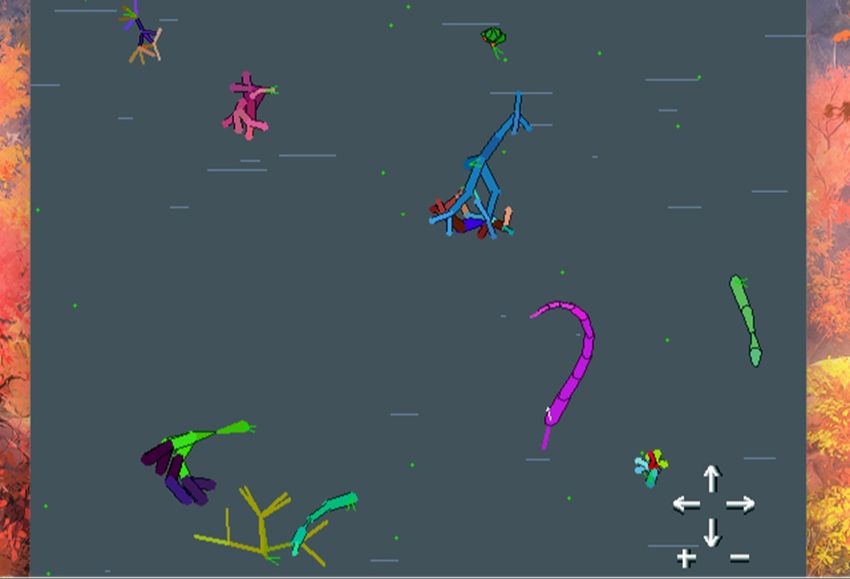
A virtual aquarium to understand Darwinian evolution
Is it possible to understand evolution through simulation? It would seem so. A very interesting resource for high school science classes.
"Space Shelter: Google's cybersecurity game
All our lives have an online component. As a result, a large proportion of Internet users are at risk of being tricked by hackers. A short game invites Internet users to remember certain elements of cybersecurity using a space theme.
The Englishes MOOC course was developed by an artist and is designed for anyone interested in the (English) language. It explores the history of English, its pronunciation, and its relationship to the art world.
Tests of vigilance and attention
Measuring attention remains a concern in many settings. Some work tasks are not very error tolerant. Here are a series of sample tests to measure attention in children and adults.