Tests of vigilance and attention
Measuring attention remains a concern in many settings. Some work tasks are not very error tolerant. Here are a series of sample tests to measure attention in children and adults.
Publish at October 11 2022 Updated October 11 2022


Conspiracy theories are not new. Yet, today, it seems that more and more people are tipping with the Internet into a world where everything is fake and only a few possess the truth. How can this be explained?
The idea of conspiracy did not appear recently. It has existed before and, what's more, history has shown that individuals sometimes get together in order to dethrone a king or obtain an inheritance. Now, the last century has carried more than ever this tantalizing aesthetic.
Fictions like Jean-Teddy Philippe's "Forbidden Documents" (1972) played on the concept of the paranormal in the everyday that only a camera would have documented. The 90's did the trick with, among others, X-Files and the (fictional) idea that American high officials are hiding extraterrestrial life from the general public. The Internet simply multiplied even more the opportunities to see blurry images, striking pareidolia and videos that appeared authentic because they did not come from official sources. Thus, the witnesses of these shots felt as if they had unique knowledge.
Add to this a disenchanted political universe, an anguished world plagued by crises and public institutions struggling to help people. This perfect mix has led many to prefer conspiracy romance, which, while distressing and enraging, provides a simplistic solution to complex problems.
Alas, contradicting a conspiracy follower will only embolden them. They need to be progressively interested in documents, images and other sources that can, little by little, lead them out of this world where reptilians, aliens, Illuminati, Satanists and others are working to enslave people.
Time: 23 minutes
Picture credit: en.depositphotos.com
You might also like:
Tests of vigilance and attention
Measuring attention remains a concern in many settings. Some work tasks are not very error tolerant. Here are a series of sample tests to measure attention in children and adults.
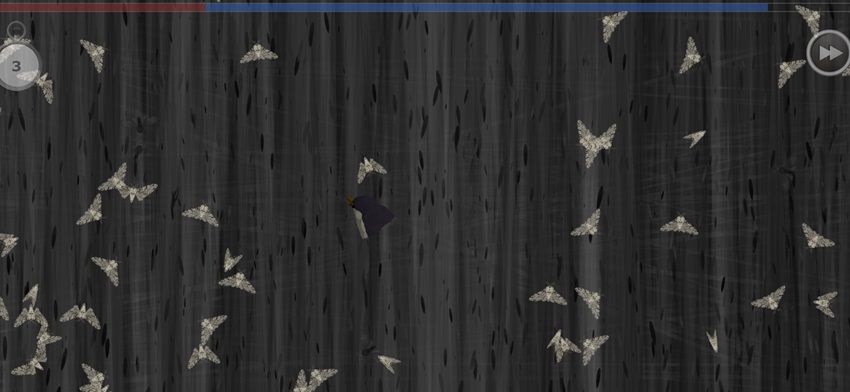
"Phalenes! understanding natural selection through play
A serious game designed to demonstrate natural selection and its effects on a moth population.
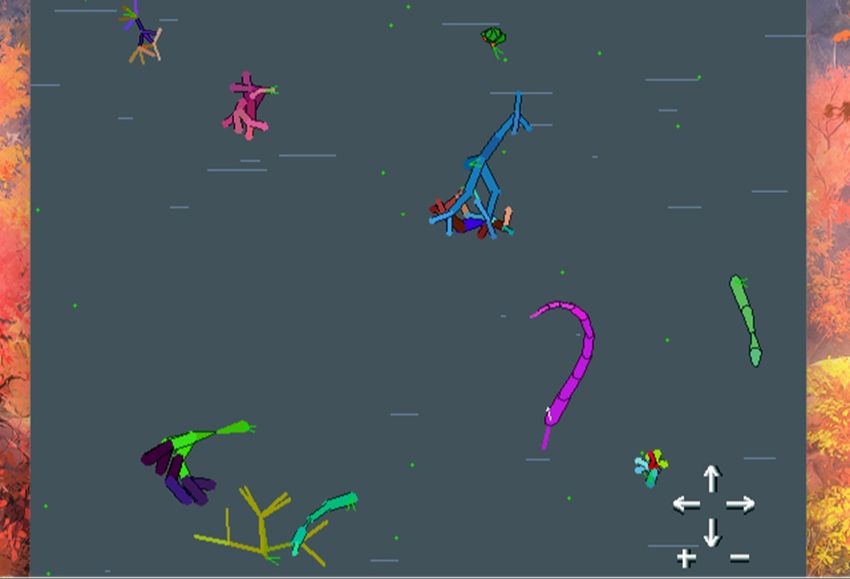
A virtual aquarium to understand Darwinian evolution
Is it possible to understand evolution through simulation? It would seem so. A very interesting resource for high school science classes.
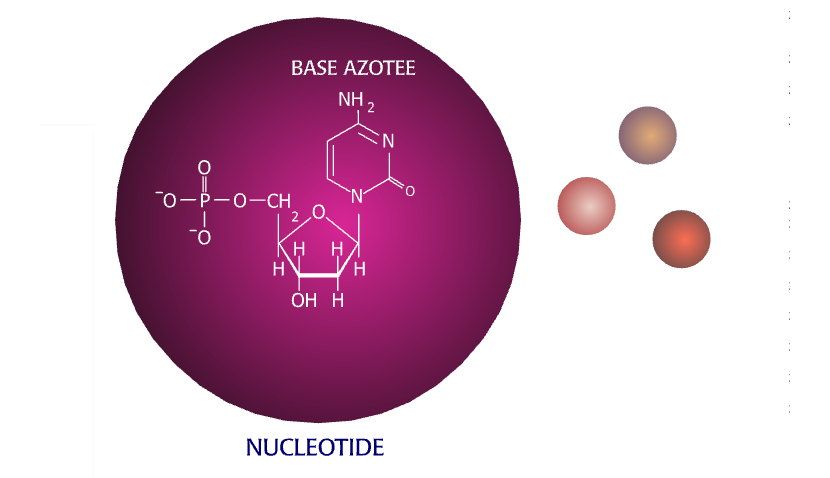
A fun game about heredity and genetics - Welcome to Thingdom
How do you talk to children about genetics and heredity? A British museum has come up with the method: design a game in which you create a line of adorable creatures with precise objectives. The game is fun, colorful and easy to learn. Even adults will succumb to the charms of the bugs and their large families.