The Englishes MOOC course was developed by an artist and is designed for anyone interested in the (English) language. It explores the history of English, its pronunciation, and its relationship to the art world.
Publish at January 18 2023 Updated January 18 2023


Since 2000, the European Union had not addressed the digital issue. This is almost an eternity by Internet standards. Nevertheless, in 2022, member states voted on the Digital Services Act (DSA), a piece of legislation that should be in force by 2024. This was intended to eliminate two perceived "dangers" of Internet activity in recent years:
The legislation should in theory penalize these behaviors by the computer giants. Among other things, targeted ads aimed at minors will be banned and platforms will have to ensure that false information does not appear in the first search results or conversations.
A law considered severe by the lobbies of Google, Facebook and others but quite weak by others who would have liked an even more binding charter. It must be said that some Member States such as Luxembourg did not want to offend Amazon, which has a headquarters there. Not to mention that they have invested more than 30 million euros in advertising and other approaches so that this law does not pass.
So, this compromise will still force the giants to change things for the European public by 2024 at the risk of having to pay billions to the European Union in penalties.
Will this legislation get to the heart of the matter? We'll have to see the impact over the years to be sure.
Time: 11 minutes
Picture credit: en.depositphotos.com
You might also like:
The Englishes MOOC course was developed by an artist and is designed for anyone interested in the (English) language. It explores the history of English, its pronunciation, and its relationship to the art world.
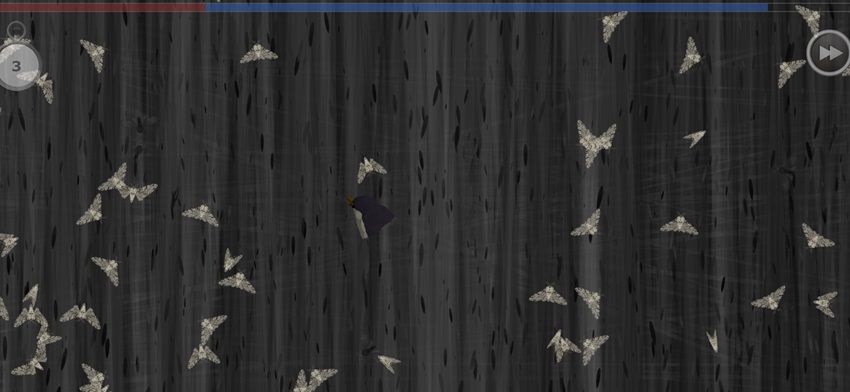
"Phalenes! understanding natural selection through play
A serious game designed to demonstrate natural selection and its effects on a moth population.
Tests of vigilance and attention
Measuring attention remains a concern in many settings. Some work tasks are not very error tolerant. Here are a series of sample tests to measure attention in children and adults.