The Englishes MOOC course was developed by an artist and is designed for anyone interested in the (English) language. It explores the history of English, its pronunciation, and its relationship to the art world.
Publish at April 04 2023 Updated April 04 2023


Is it possible to use 100% renewable energy? It seems, at the moment, impossible or almost impossible. Yet some regions are increasingly managing to do without fossil fuels. This ARTE report highlights the good work done in several territories, including many islands.
The most important one is Iceland, which is lucky enough to have geothermal sources almost everywhere. This island nation can rely on multiple volcanoes to provide clean, renewable energy that can power both public heated pools and greenhouses, allowing Icelanders to reduce the importation of fresh vegetables and fruits.
On the Danish island of Damso, wind power is celebrated there. Indeed, while other circles want nothing to do with wind turbines, the population of 4,000 has welcomed it with open arms but on their terms. Everyone has a share in the production of this electricity. What's more, the more touristy areas are spared. Yet they manage to produce enough energy and even export some to the Danish mainland.
On the side of the Scottish island territory of Orkney, researchers are also developing energy solutions using waves and tides, all while making sure to protect marine wildlife from this exploitation.
Certainly, it may be easier for an area like an island to control and implement green energy given the low population density. Nonetheless, they are examples showing that political will coupled with that of the population and scientific community can lead to a significant decrease in ecological footprint.
Time: 43min12
Picture credit: en.depositphotos.com
You might also like:
The Englishes MOOC course was developed by an artist and is designed for anyone interested in the (English) language. It explores the history of English, its pronunciation, and its relationship to the art world.
Develop your musical ear through play with Meludia
To a layman, music is just a tune performed by a musician. Yet, if he were to play Meludia, he would learn all the rudiments and terms associated with musical practice.
A series of games that require an ear.
Elude: a serious game for understanding depression
An original approach to depression. The game's metaphor is well conceived, a little dark and informative about a problem that affects millions of people.
"Phalenes! understanding natural selection through play
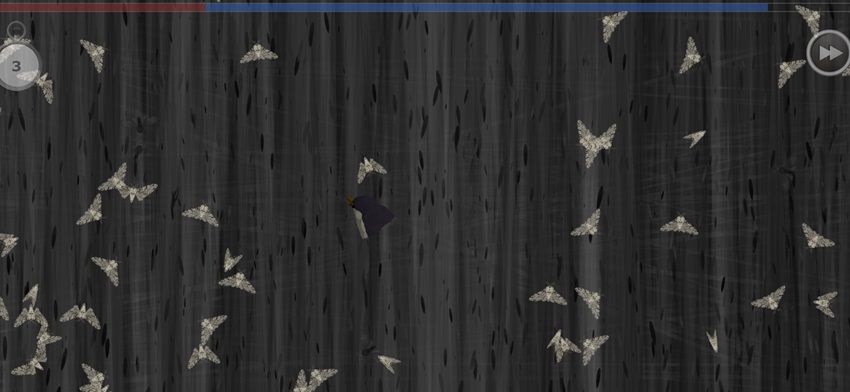
A serious game designed to demonstrate natural selection and its effects on a moth population.
A multiplayer game designed for people with disabilities
Video games designed for people with disabilities are already a rare resource. An experience that allows multiple players is even rarer. Yet this latest creation from "Ludociels for All" challenges players to light up an entire maze by walking balls of light.