A question that arises at the possible dawn of metavers
Are avatars legally recognized persons? What may seem like an absurd question takes on more meaning as their importance grows with the advent of virtual worlds. What are the rights and responsibilities of these digital twins? FRANCE 24 media went to meet a lawyer to ask him about this.
For the moment, the legal community does not recognize avatars as whole persons. Basic rights such as property and equality (against discrimination) apply. On the other hand, the question of personal data falls into grey areas. Indeed, these universes are not fully subject to the European GDPR (General Data Protection Regulation).
Thus, companies could hold some of the rights to avatar expressions, for example. As for potential assaults of a sexual or other nature, for now, virtual doubles cannot be held responsible for their actions. This heralds much legal thinking in the years to come.
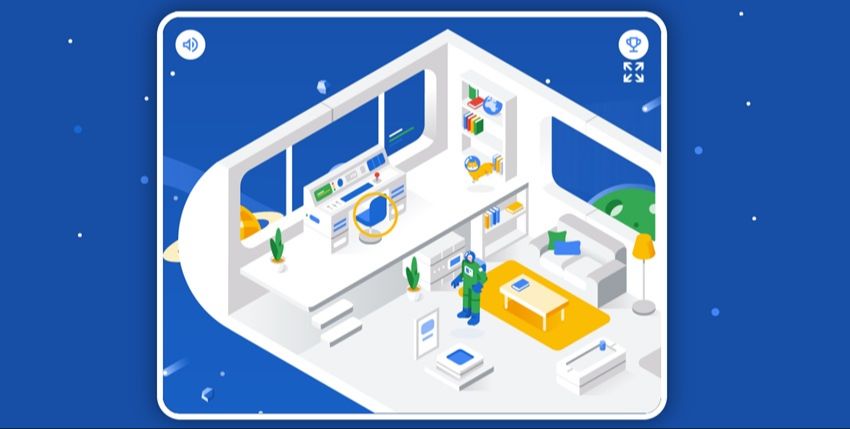
All our lives have an online component. As a result, a large proportion of Internet users are at risk of being tricked by hackers. A short game invites Internet users to remember certain elements of cybersecurity using a space theme.
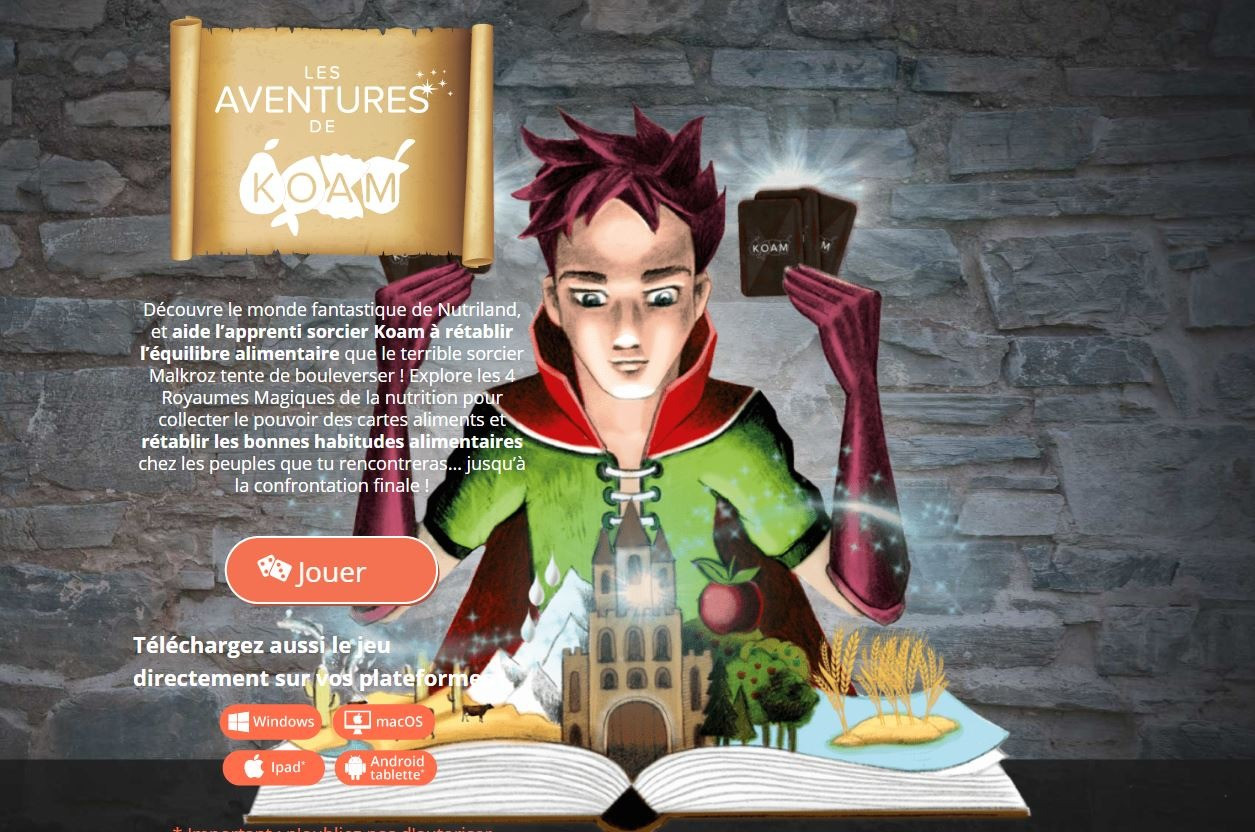
A veritable showcase for public health, Koam was developed by Nutrikeo, a consulting firm specializing in nutritional strategies. Supported by BPI France, the Nouvelle Aquitaine region and Europe, Koam is the result of two years' work by a team of leading specialists in nutrition, childhood, pedagogy, sociology, digital and behavioral theory.
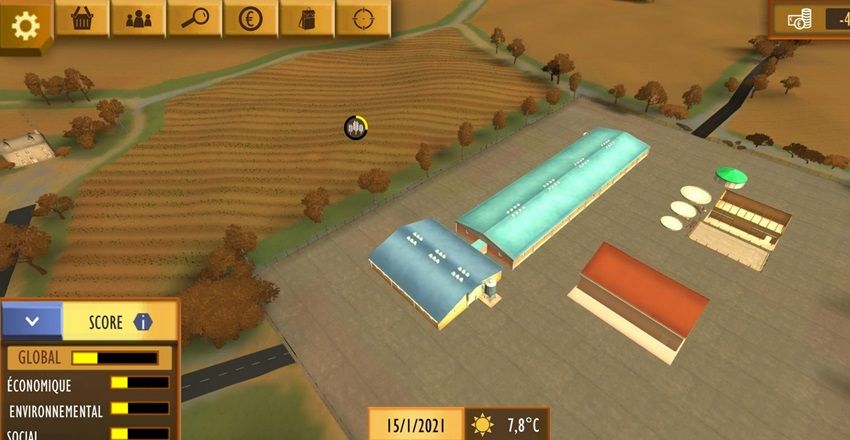
There's nothing simple about being a farmer. You have to plan your activities throughout the year, make sure you have the right machinery, maintain it and so on. All with a view to ecology. A serious French game seeks to teach agroecology.
The Englishes MOOC course was developed by an artist and is designed for anyone interested in the (English) language. It explores the history of English, its pronunciation, and its relationship to the art world.