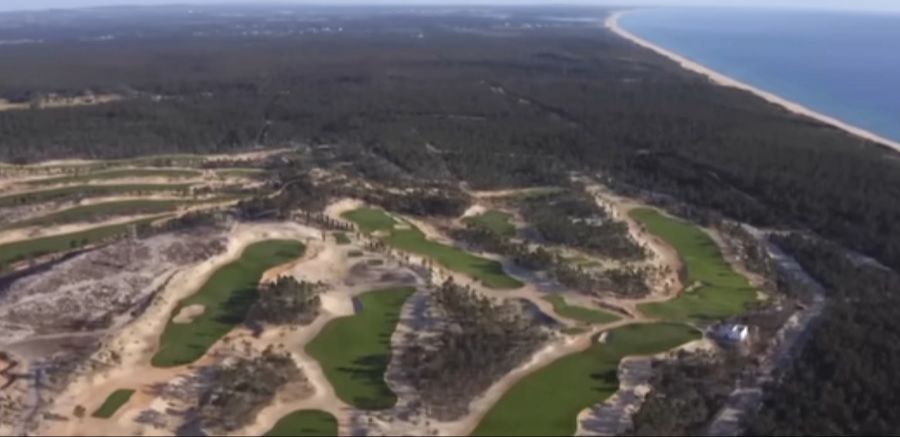
Economy versus ecology. This is probably the greatest contemporary clash of values. It's happening everywhere, including in small regions like Alentejo in Portugal. This coastal region, best known for its agriculture, is seeing its landscape change radically. Ultra-rich people such as Jeff Bezos, George Clooney and the heiress of Spanish brand Zara are helping to build "eco-responsible" luxury hotels in the region. Nevertheless, as this Arte report shows, it's more a case of greenwashing.
For these golf courses and hotels, permits had to be obtained to build in protected natural areas. The pools and services drain a significant amount of water from the water table, which receives less and less rain. The locality is becoming increasingly privatized. Only three public beach entrances remain. This gentrification is driving up rents, forcing many locals to leave. For landlords, these are golden business opportunities. Yet many activists and residents are worried about these changes, which are taking place somewhat indifferently, including from public authorities.
Video games designed for people with disabilities are already a rare resource. An experience that allows multiple players is even rarer. Yet this latest creation from "Ludociels for All" challenges players to light up an entire maze by walking balls of light.
To a layman, music is just a tune performed by a musician. Yet, if he were to play Meludia, he would learn all the rudiments and terms associated with musical practice.
The sharing economy has led to small changes in various economic sectors such as transportation, housing, etc. This approach has changed the relationship of citizens for different services, now cheaper and offered by their fellow citizens. However, who actually benefits from this new economy? The people or the companies in question? A U.S. newsgame shows how the life of Uber drivers isn't as lucrative as one might think.