![]()
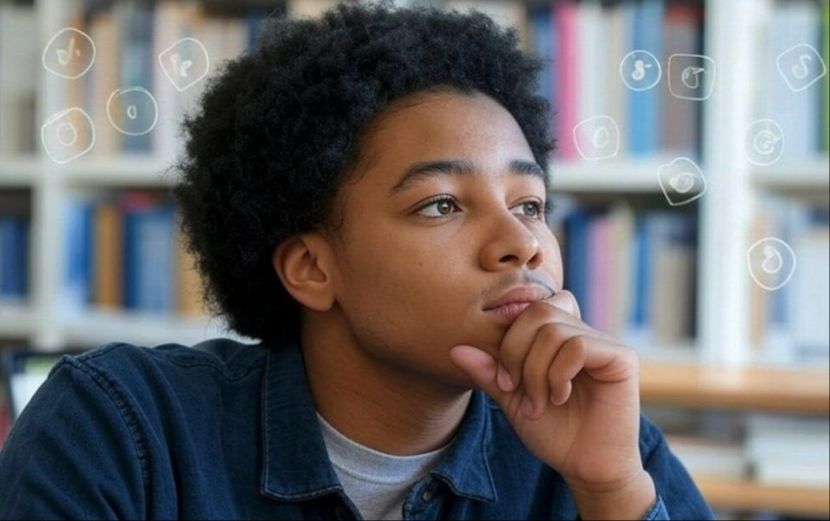
Mechanisms of influence: understanding the power of influencers
Influencers shape opinions and behavior through storytelling, emotions and bias. This article explores their techniques, psychological insights and abuses, such as virtual influencers. Faced with this power, educators can teach critical thinking, draw on these methods to captivate and equip young people against manipulation, while recognizing the possible positive effect of influence.
![]()
Small victories always precede big successes
We often forget that behind the big victories, thousands of small ones have shaped the path. What if we stopped to acknowledge and celebrate them? According to science, this is much more motivating and healthy for us.
![]()
When the reclaiming of hypersensoriality enlightens the world [Thesis].
People with Asperger's are a hypersensory social group whose particular and intense abilities are conducive to a re-examination of how our naturalistic culture engages with the world. A thesis that offers the possibility of learning more about our personal ways of functioning and being in good, respectful relationships.
![]()
A school without grades, various approaches
For the learners, the discussions revolve around one thing: the grade. Everyone is looking for the best result in order to get into the most prestigious courses. However, this system has turned school into an anxiety-provoking environment that makes those who do not succeed feel guilty. What if evaluation eliminated percentages and letters? An idea that is being debated, but that is of interest to more and more teachers.
![]()
Taking Students Out of Their Filter Bubble
The algorithms on social networks are there to keep us active. They encourage us to read and comment. Alas, this leads to filter bubbles of ideas and opinions. How do we ensure that students get out of these biases and more importantly, is it really the fault of the internet?