Publish at February 28 2024Updated February 28 2024
The different journalism professions
Many avenues open to journalism students
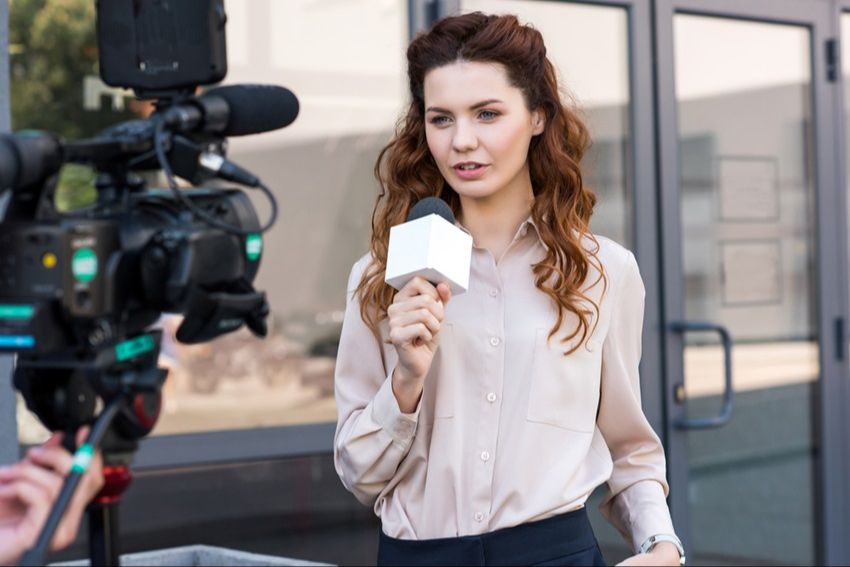
Journalism is an umbrella term for many jobs. Indeed, one can find as many
correspondents reporting on international regions, press photographers
press photographers
radio hosts and
news anchors,
fact-checkers or
those who write online.
As Élodie Agnès reminds us in her address to Studyrama for the École de journalisme (EDJ) in Nice, the professions are varied, and no news worker is stuck in one of them. Some started out as sports journalists before moving into online or national news. Others started out as columnists and went on to become editors-in-chief.
So, a school like EDJ allows students to specialize if they wish, but they don't have to. This specialization does not oblige them to stay on this path their entire career if they no longer feel the urge. Students entering the school, whatever their background, begin with a more theoretical first year, before moving on to a hybrid year of practice and theory.
The last year is spent almost entirely in the field, in internships, among other things, with hundreds of possible media outlets in France. The important thing is to develop a sense of good journalism: to be a privileged witness who brings the news to life.
Many serious games address the topic of sustainable development. Yet before such solutions were proposed, innovative people had to go against the social grain and fight to improve their environment. A humorous adventure game, hosted by the National Film Board, teaches children the attitudes they need to adopt to make a difference.
All our lives have an online component. As a result, a large proportion of Internet users are at risk of being tricked by hackers. A short game invites Internet users to remember certain elements of cybersecurity using a space theme.
The Englishes MOOC course was developed by an artist and is designed for anyone interested in the (English) language. It explores the history of English, its pronunciation, and its relationship to the art world.
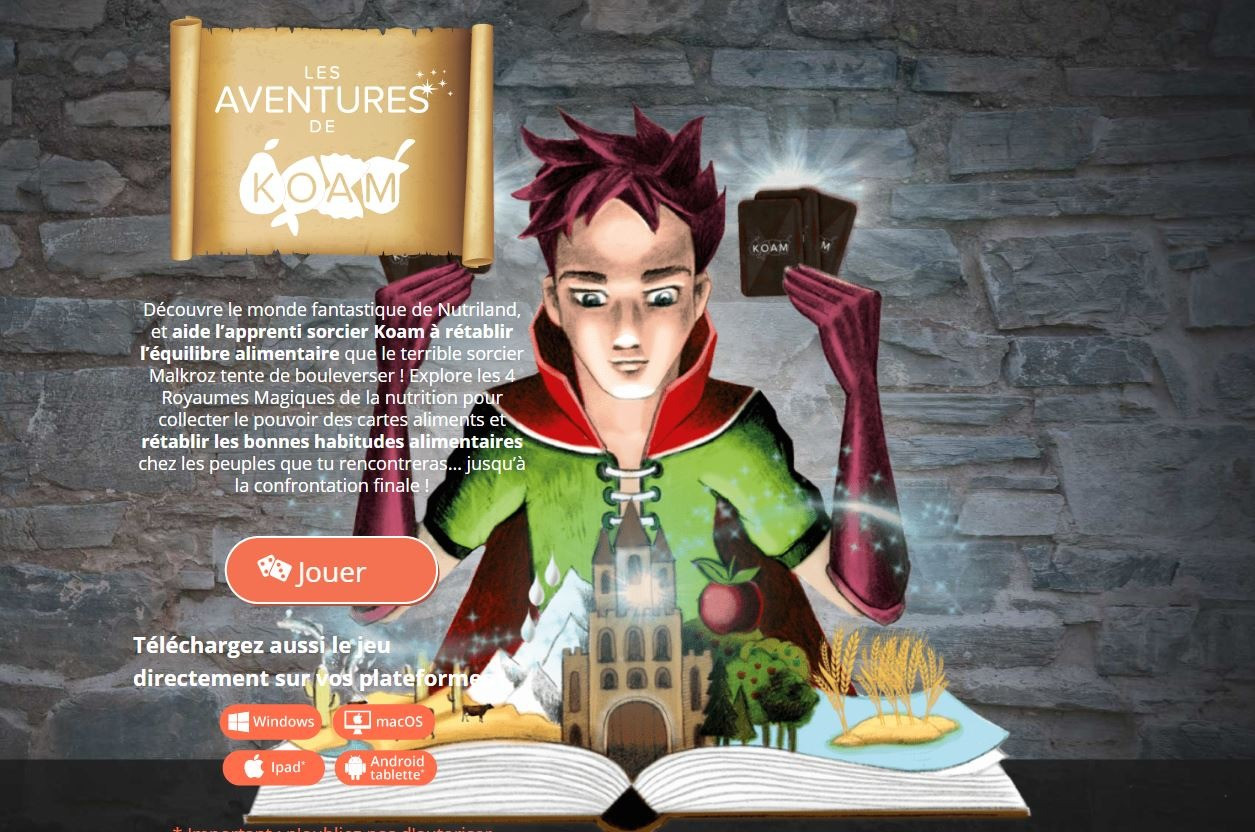
A veritable showcase for public health, Koam was developed by Nutrikeo, a consulting firm specializing in nutritional strategies. Supported by BPI France, the Nouvelle Aquitaine region and Europe, Koam is the result of two years' work by a team of leading specialists in nutrition, childhood, pedagogy, sociology, digital and behavioral theory.