Publish at September 11 2024Updated September 11 2024
Starting crochet: what you need to know
Mistakes to avoid
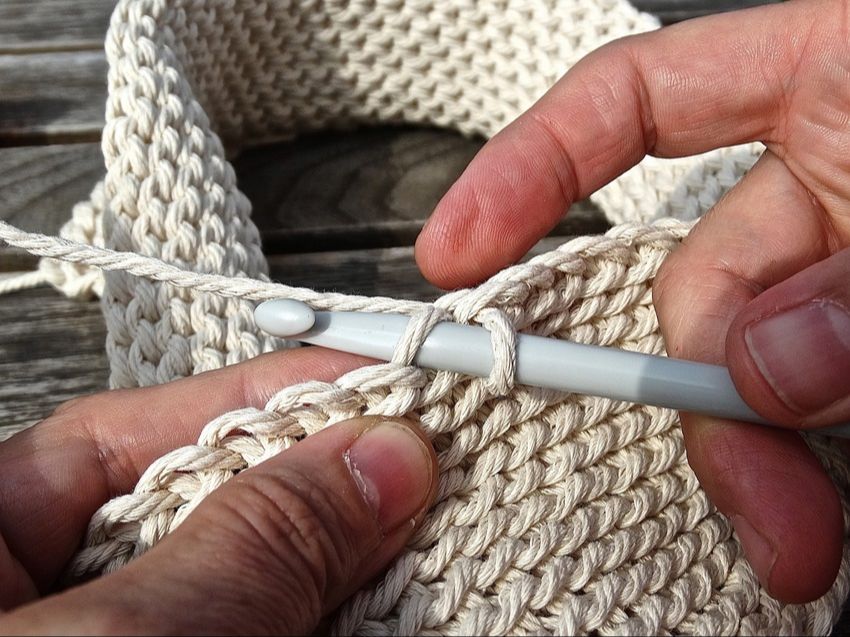
Crocheting is one of the most interesting activities to keep your hands busy. This technique requires patience and concentration to make something. This is no easy task for those who have never seen anyone crochet, or who know nothing about it. So, two years after taking up the craft, a video maker decided to explain to newcomers what they need to bear in mind.
There are different wools available for crocheting. It's best to start with acrylic wool. It's the cheapest and easiest way to start mastering the methods. When it comes to hooks, she says it's better to start with metal ones rather than wood, as the latter's inferior quality is enough to make things much more complicated. It's better to simply crochet without a specific goal in mind, so as to learn the first knitting techniques: cast-on, cast-off, tight, half-bridle and bridle. That's why it's best to avoid the so-called beginner's kits that offer to create a stuffed animal, when in fact you need to know how to create a complex technique known as the "magic circle".
Learning the French and English acronyms will make it easier to follow the tutorials and patterns available on YouTube, TikTok or Pinterest, among others. Chances are, you won't get the best grip on the brooches, but that's okay. The important thing is to find one that fits your hands. Once you've experimented, it's best to move on to simple projects: headbands, bonnets or scrunchies. It's perfectly normal to give up during the manufacturing process. Just put them aside and come back to them later, or at least save the wool for other projects.
Our world has been in a state of flux since the beginning of the 20th century, and the impact has been felt in the definitions of certain concepts, which are being sought and replaced over time. Such is the case with the notion of mass sociology, a discipline that has been searching for itself for over a century, just as humanity has been searching for itself.
History of design thinking and the main stages of the method. The method can be applied to places, services, training systems, products and even organizational processes.
One student replied, "What can I do to combat procrastination?" I was tempted to find "operational" answers for 18-year-olds in their first year of university...