Interdependence and synchrony are terms that refer to the realities of highly complex ecosystems. How should we approach them? What form should they take, and how can we make them positive?
Publish at May 21 2025 Updated May 21 2025


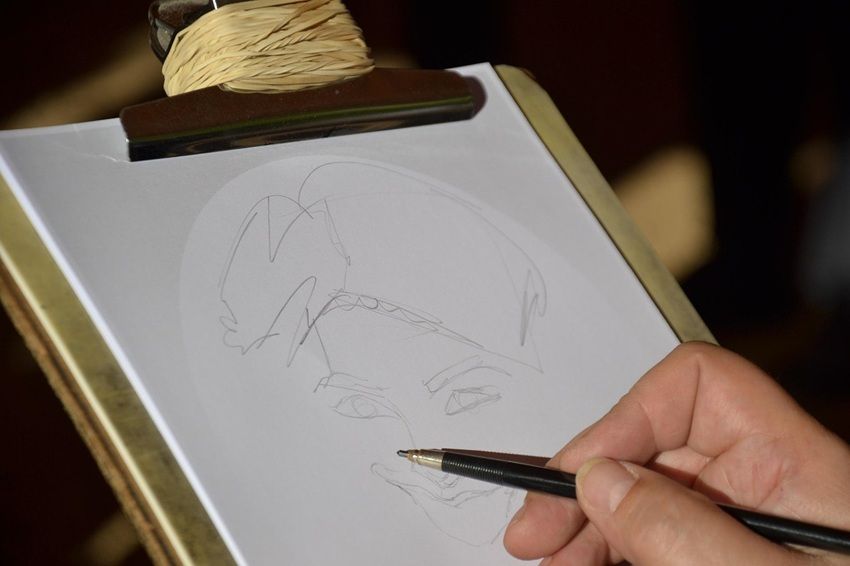
Animation is an incredible art form that uses conventional or computer-aided drawing to create action from a basically static medium. It's not always easy for animators to ensure consistency in their animation. This can lead to impressions of unnatural movement. To achieve more consistent animation, this animator recalls a few basics. Firstly, it's important for designers to practice the various postures and faces of a character, so as to grasp them well and have models.
Secondly, it's possible to use the "flipping" technique, which originated in traditional animation, where draftsmen would look at the poses between different pieces of paper to observe the consistency of movement. It can also be done with modern animation software. The "move and trace" method is also very common at Disney Studios; it involves taking the base, shifting it and shifting it where you want to keep consistency. The trick is to make sure you get the spacing right, i.e. the various steps involved in creating a realistic sense of movement.
Duration: 4 minutes
Learn more about this resource
You might also like:
Interdependence and synchrony are terms that refer to the realities of highly complex ecosystems. How should we approach them? What form should they take, and how can we make them positive?
Avatars and projected identities
Avatars are such simple accessories in our digital connections but they carry all the complexity of our personalities and our world. Let's take a look at the various dimensions of this subject.
Breaking the ice to start training
It took them a few hours in transit to get to the training room. Some got up early. Cup of coffee in hand, they don't know each other yet. Their eyes barely meet. How do you quickly unfreeze all these participants so that they form a group?
Evolution of the training profession
The transformation of current social contexts and expectations is taking trainers with it. 6 changes in the profession of trainer
Viatimages: Travel Stories to Pack in Your Luggage
Viewing the magnificent illustrations by travelers of the past and reading their accounts of their discoveries before setting off on a vacation is possible and accessible to everyone, thanks to a project by the Universities of Lausanne and Paris-Sorbonne.