Publish at November 19 2025Updated November 19 2025
Cities on water: the next human evolution?
Is the future of humanity on the water?
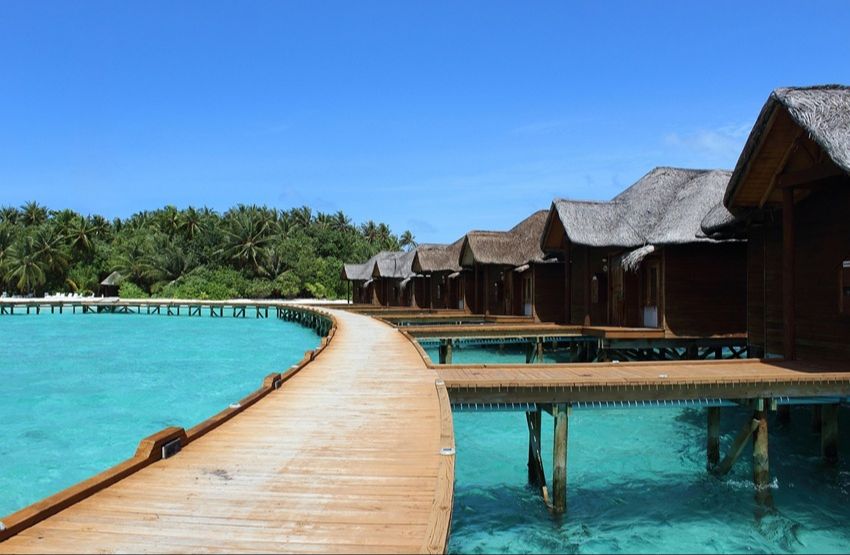
Living on the water is not such a new idea. Civilizations have done it before, and Venice is an incredible demonstration of human know-how for settling in an environment not designed for the purpose. Nevertheless, with climate change, soaring populations and housing issues, many believe that the future of humanity will be built on water.
Floating inhabitable islands are moving from fiction to reality. The Netherlands, for example, is conducting numerous trials and experiments in this field. This European country below sea level sees the need to embark on such projects, as it may well need them. The same applies to the current atolls, which are increasingly subject to severe flooding.
But if mankind is to create cities on the water, they must not be as polluting and energy-intensive as today's cities, otherwise they will only postpone the catastrophe. We need to think things through. Waste must be reused by the city. We need to be able to remove salt from the seawater surrounding the city and use it as drinking water. Some are also working on underwater farms capable of producing food with fewer resources than on land. The settlements also need to be able to protect themselves from the potential storms and tsunamis that can affect the coasts.
Some libertarian and wealthy Americans want to create cities in international waters, where they would be subject to no laws whatsoever. These capitalist paradises were originally conceived for the open sea. The problem is that bad weather on the open sea is even more violent than on the coast. In French Polynesia, for example, some people tried to build floating islands for the ultra-rich; a project that, no pun intended, foundered in the face of strong opposition from local residents, who saw it as a colonial approach worthy of the 17th or 18th century.
Will the future of humanity lie solely on water? Probably not. Nevertheless, it seems that the sea could be a territory to get us through the profound changes of the coming decades.
Whispering defines the collective behavior of a large number of individuals who coordinate themselves in a very rigorous way in complex movements without a conductor. Starlings, bands of fish or cyclists illustrate this intriguing phenomenon. How can we explain murmuration, and how can we be inspired by it?
Many of us have the impression that our vocabulary is limited. However, passively, we know thousands of words that we do not integrate into our usage. There are many ways to improve our speaking skills and become more eloquent with our peers.
Many people dream of starting their own business. In reality, getting started isn't easy, if you get past the obvious reasons: finances, concept, clientele, etc, etc. Being able to manage on all fronts involves learning and perhaps training... It's a long way to prosperity