Publish at November 25 2025Updated November 25 2025
Joint pain: an expert reveals the really effective remedy... not the one you think
What to trade for a painful joint ?
Increasing joint pain is often seen as an inevitable consequence of
aging. Difficulty bending over, difficulty moving around and limited
movement are often the lot of the elderly. Yes, but not all.
Of
course, physical capacities diminish with age, but age is not the
explanatory factor; rather, it's something else, linked to the change in
lifestyle habits associated with age and modern life. Which is why
researchers say that the way we treat osteoarthritis is completely out
of step with what the research clearly shows.
The best treatment
Osteoarthritis
of the knee is not solved by a bottle of medicine, and rarely on an
operating table. The most effective treatment requires some effort and
costs very little: it's movement. Very few patients are guided towards
the therapy recognized as effective in protecting their joints and
reducing pain and discomfort.
A major European study (1) shows that less than 50% of people with
osteoarthritis are offered exercise or physiotherapy by their primary
medical resource. What's more, more than 60% of people who consult a
doctor are offered a non-recommended treatment, and 40% are referred to a
surgeon before a non-surgical option has even been tried.
Osteoarthritis
is the most common arthritic condition, affecting almost 600 million
people worldwide. According to the medical journal The Lancet (2), this
number is set to approach one billion by 2050, due to a number of
factors, including an ageing population, a more sedentary lifestyle and a
worldwide trend towards overweight. So there's room for an effective
solution.
Why movement?
Cartilage
covers the contacting ends of our joints. It's a protective, resistant
tissue, but it's not vascularized. No blood irrigates it, so it's the
compression and expansion movements we make when we move that allow
fluids to flow out and new nutrients to penetrate, as in a very rigid
sponge.
The idea that cartilage wears out and doesn't renew
itself is false. It can renew and repair itself, but only if it's
active. It wears out, but it also repairs itself. Movement is therefore
essential to its health and maintenance.
Osteoarthritis not only
affects the cartilage, but also the bones, ligaments, surrounding
muscles and even the nerves associated with the joint. So the
recommended therapeutic exercises target all parts.
Muscle
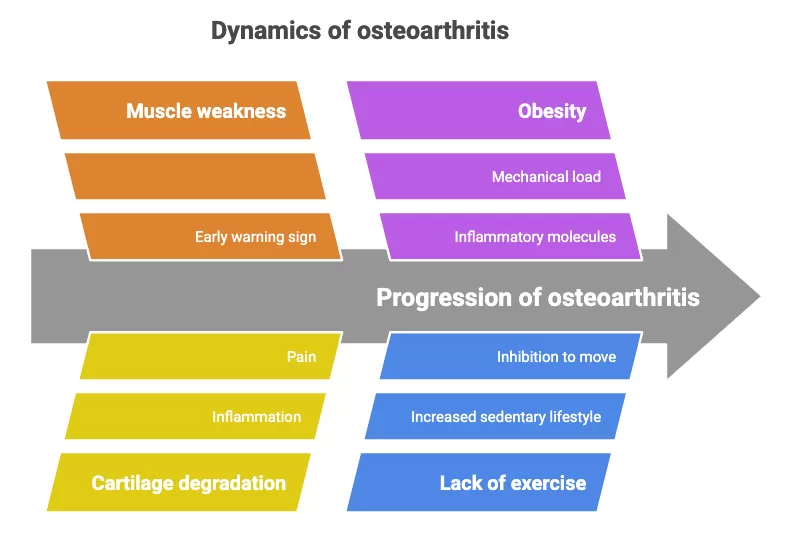
weakness is one of the earliest signs of osteoarthritis and facilitates
its progression. It can be improved by resistance exercises.
Muscle
(nerve) control can be improved by a program such as "Good Life with
osteoArthritis: Denmark" (3), a physiotherapist-supervised program which
not only demonstrates positive effects but also lasts, as it anchors
exercise habits in participants. The effects not only strengthen
cartilage and muscles, but also reduce inflammation, and limit the
metabolic changes that accompany osteoarthritis.
Obesity is often
associated with osteoarthritis; not only does it place an additional
mechanical load on the joints, but it also causes high levels of
inflammatory molecules in the blood, accelerating cartilage degradation
(4). Regular physical activity can counter this degradation process in
two ways: by limiting inflammation and cell damage, and by reducing
excessive pressure on the joints in the medium term.
Exercise before surgery
Regular,
specific physical activity helps to protect cartilage, strengthen
joints as a whole and improve overall health. Before considering
surgery, movement remains one of the most effective and least costly
treatments.
The more we move, the more our cartilage "breathes" and the less it degrades.
The more we move, the stronger our muscles become, and with them our tendons and blood supply.
The more we move, the lower the level of inflammatory molecules.
The more we move, the less likely we are to put on weight.
The more we move, the less our joints hurt, as cartilage gradually repairs itself.
It's all part of a virtuous circle that makes us want to keep moving, as the pain gradually subsides.
The idea of exercising when pain is part of everyday life indicates two things:
don't wait until osteoarthritis is too far advanced before changing your habits
ask for help and support to make gradual progress and avoid discouragement.
No
drug cures osteoarthritis, and surgery can sometimes be the only
solution in advanced cases, but it's a major operation and doesn't bring
the hoped-for changes every time. It's better to trade pain for
movement.
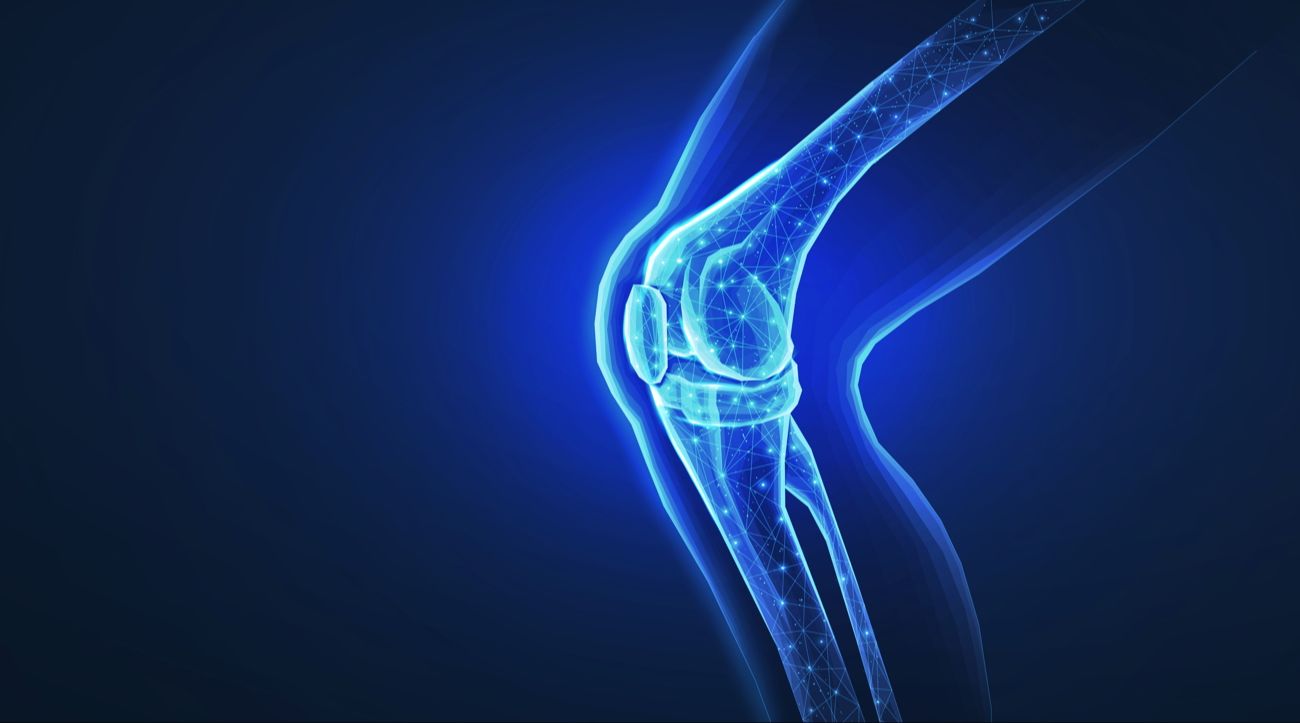
Illustration : Knee joint isolated - 2605167069
References
1-
Guideline-based exercise management for hip and knee osteoarthritis: a
cross-sectional comparison of healthcare professional and patient
beliefs in Ireland Toomey CM, Bhardwaj A, Browne J, Dowling I,
Grealis S, Hayes P, Higgins N, Maguire D, O'Hora J, Rector J,
Wood-Thornsbury A, Kennedy N. / BMJ Open. 2024 https://pmc.ncbi.nlm.nih.gov/articles/PMC11227783/
Modern educational institutions are collecting more and more data on those who study there. This is good news for providing personalized services and pedagogy, but a growing risk with hackers. How can we ensure that everyone's identity and personal information is protected? School systems must invest in cybersecurity.
How can we offer everyone the chance to flourish, despite socio-economic differences? One of the solutions most often proposed is that of co-education. It's a solution that has been discussed for years, but still fails to win consensus.
Learning is a way to build up the brain. But does the body have to stay still? Is it not possible to assimilate knowledge by moving? One pedagogical approach advocates a more complete vision of the body in teaching. A strategy that can be applied to all sauces.
Multiplying procedures to anticipate, chasing dead time, and reducing deadlines are common objectives in organizations. But what if organizations were suffering from an excess of formalization, planning, and structuring of time? François Dupuy, the sociologist, and Hélène L'Heuillet, psychoanalyst, show us each in their way how harmful management that would like to organize or anticipate everything can be.