Does everything really go faster?
Not everything goes faster, and as a result, many desynchronizations occur, with particular consequences...
Publish at November 27 2025 Updated November 27 2025


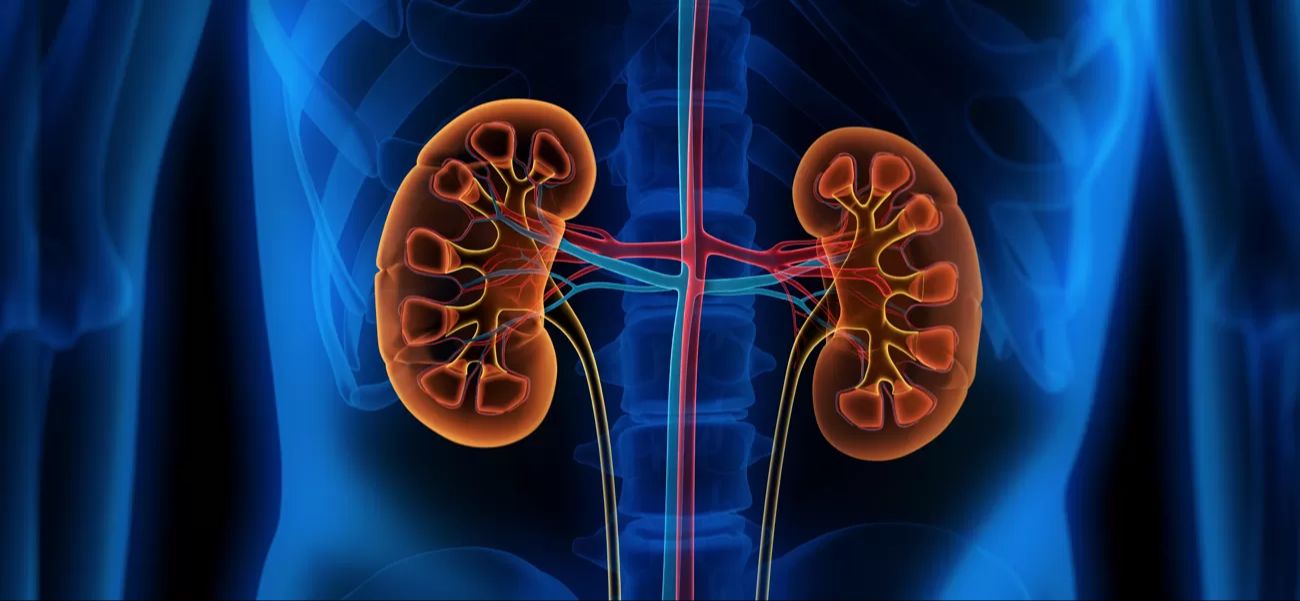
In the United States, 11 people die every day while waiting for a kidney transplant. An estimated 90,000 people are waiting for this vital organ to overcome kidney failure. A figure that demonstrates the need for donors. The problem is that you need the right organ for the right blood type.
Indeed, a large proportion of organ transplants are complicated by the patient's immune response. The body rejects what seems foreign. While this is a good thing when it comes to viruses or bacteria, it proves problematic when it comes to receiving a vital organ. A large part of this rejection is based on an individual's blood type.
Our blood is made up of sugars called antigens, which ensure that every cell has the same antigen. If it detects the opposite, it provokes a violent immune reaction to drive out the intruder. Thus, people with type A blood will not tolerate the organs of those with type B blood, and vice versa. Those with type AB blood can receive one or the other without being able to provide their own organs, while those with type O blood can donate to all but must receive organs from their own type. Since they are universal donors, type O organs are often preferred everywhere, to the detriment of those with this blood type, who have to wait years for an organ such as a kidney.
This incompatibility can be combated by a difficult treatment in hospital, where a donor's immune system has to be knocked out completely. This is a time-consuming procedure, which also requires the donor to be alive.
However, Dr Stephen Withers of UBC (University of British Columbia) has managed to find enzymes that are able to eliminate A and B antigens on the surface of an organ so that it appears as a type O organ. In this way, he and his team were able to transplant a kidney into a brain-dead patient (with the family's permission) who had received the enzyme treatment. The scientists were then able to observe the body's reaction to the organ. For the first two days, the organ functioned very well. By the third day, there were a few small immune responses, but nothing that couldn't easily be controlled with immunosuppressants.
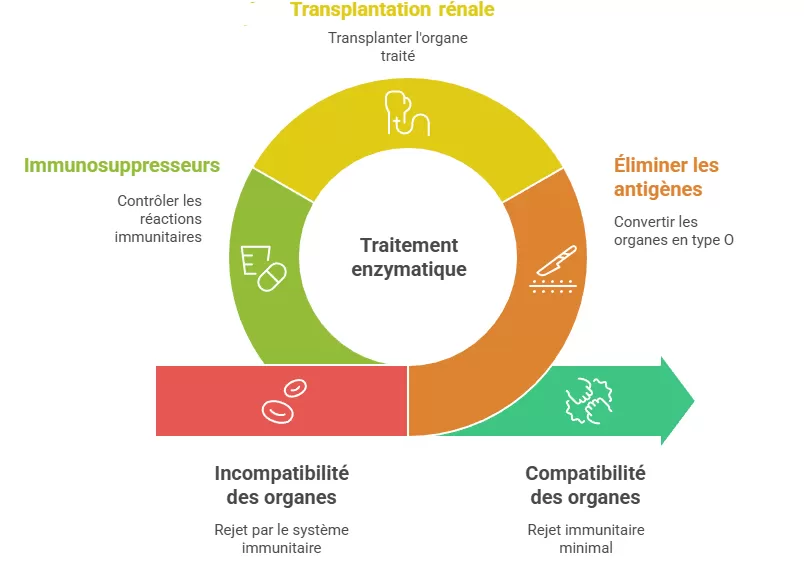
So,
are we on the verge of a universal recipe for organ donation? The
potential is there, according to Professor Withers, for whom this first
experiment on a human body is very encouraging. It could enable type O
patients to receive organs, such as kidneys, much more quickly, even
from deceased people who have approved the donation of their organs on
death. All that's needed is to subject them to this enzymatic treatment,
so that the immune response is virtually suppressed in the recipient.
It will be interesting to see how this finding is followed up on
conscious patients.
Illustration - Kidneys - 2593372771
References
Breakthrough: Scientists Create 'Universal' Kidney To Match Any Blood Type - https://www.sciencealert.com/breakthrough-scientists-create-universal-kidney-to-match-any-blood-type
UBC enzyme technology clears first human test toward universal donor organs for transplantation - https://news.ubc.ca/2025/10/universal-organ-transplant/
Breakthrough Test Predicts Whether Organ Transplants Will Be Rejected - https://www.sciencealert.com/breakthrough-test-predicts-whether-organ-transplants-will-be-rejected
The incredible story of organ transplants - https://cursus.edu/fr/14447/lincroyable-histoire-des-greffes-dorgane
UBC enzyme technology successfully completes first human trial for universal organ transplants - https://www.ctvnews.ca/vancouver/article/ubc-enzyme-technology-successfully-completes-first-human-trial-for-universal-organ-transplants/
Blood type - https://fr.wikipedia.org/wiki/Groupe_sanguin
90,000 people are waiting for a kidney. Here's one way to get them a kidney faster. - https://unos.org/news/90000-people-are-waiting-for-a-kidney-heres-one-way-to-get-them-a-kidney-faster/
3D printing, a major ally in healthcare - https://cursus.edu/fr/12041/limpression-3d-une-alliee-de-taille-en-sante
You might also like:
Does everything really go faster?
Not everything goes faster, and as a result, many desynchronizations occur, with particular consequences...
Pairagogy, codev and collective intelligence
Professional co-development is a method and a pedagogical philosophy that participates in the development of cooperation and collaboration in organizations and in society. It can go further in ecological matters
All too often, in the educational context, out of a desire to preserve the unity of the group, some learners find themselves accepting situations that don't suit them. The same applies to teachers, who accept requests that have nothing to do with their role, so as not to undermine their relationship with the administration. And yet, knowing how to say "no", although not easy, is often necessary to maintain one's equilibrium.
How digital technology is transforming the practice of history
What makes history special in the Web 2.0 era? Have historians' practices changed as the web has become increasingly participatory? Two texts provide a clearer picture of the components of this new digital history.
Is GPT chat an intelligence? Should we be afraid of unfair competition in terms of intelligence? Each new technology that multiplies our power of action forces us to be more aware, more ethical, more critical and to take a longer term view of the possible effects.