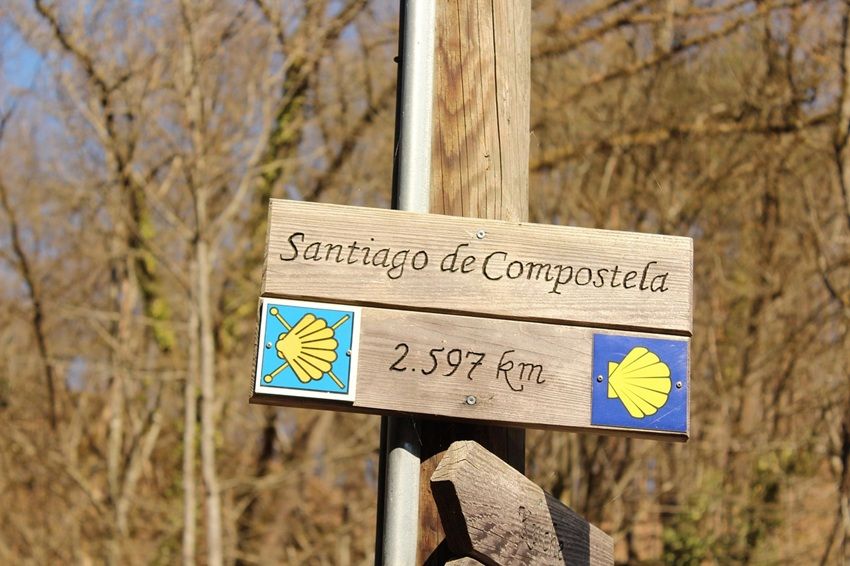
Pilgrimages have long been long, demanding treks to get closer to the divine or ask for miracles. Today, they are more a challenge and a personal approach. Thousands take the "camino" to Santiago de Compostela Cathedral in Spain. The problem, as this report shows, is that the route has fallen prey to overtourism, and the inhabitants of the town where they all arrive can't take it anymore.
Like Venice or Everest, hundreds of thousands of tourists turn up every year and, for them, it's often a pleasure trip where some meet new people and many take the opportunity to celebrate at the various stops and on arrival.
This was fine when there were only a few of them. But on the final stretch to the finish, there are hundreds of them, creating almost queues of people arriving in town. Excited, they shouted and celebrated, much to the annoyance of the residents and shopkeepers of the historic district.
For the time being, the city has put in place animators to make the pilgrims aware of the noise. However, they have no power of coercion. What's more, Spain doesn't want to make too much of a nuisance of this tourist windfall, which sustains hundreds of refuges, some of them historic, on the "camino". So it's a precarious balance between economic needs and respect for citizens that has to be struck.
Many serious games address the topic of sustainable development. Yet before such solutions were proposed, innovative people had to go against the social grain and fight to improve their environment. A humorous adventure game, hosted by the National Film Board, teaches children the attitudes they need to adopt to make a difference.