The Antarctic environment is hostile for most living creatures. However, this desert of ice is a very interesting place for preserving ancient traces of life. Fossils have been found intact in this permanently frozen land for thousands of years.
A 68-million-year-old find
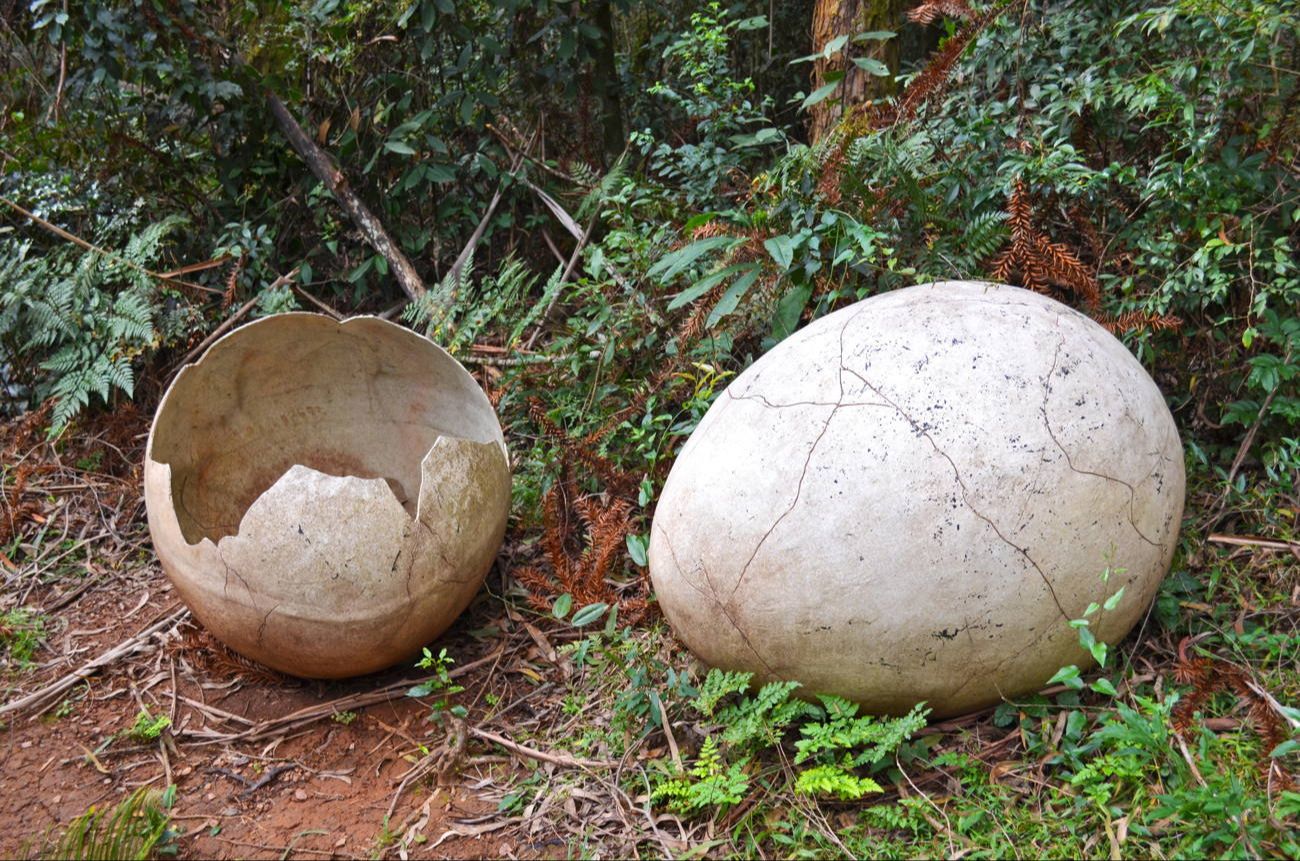
In 2011, on Seymour Island, scientists found a mysterious object in the sediments of this piece of land in the Antarctic Circle. It looked something like a deflated balloon, 30 centimetres wide. It would take almost a decade for paleontologists to finally understand what it was: a soft-shelled egg laid by a large reptilian creature.
Experts suspect that the egg may have been that of a mosasaur, a marine reptile popularized in recent years by the Jurassic World film series. This discovery by the research teams has changed their view of these large animals that populated the seas at the end of the Cretaceous period.
A breeding ground for marine animals
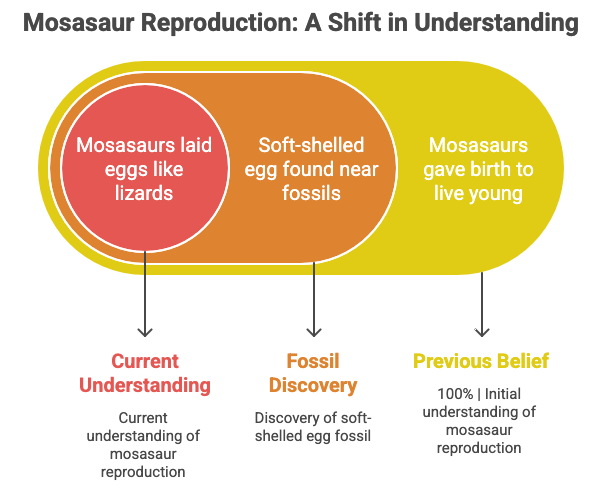
The paleontologists noticed several fossils close to the egg that also resembled the eggs of other marine species. This suggests that 68 million years ago, this corner of the globe was an ideal breeding ground for ocean animals. Above all, the discovery of a soft-shelled egg similar to those of contemporary snakes and lizards shows that, contrary to popular belief, mosasaurs and other reptiles of this kind did not give birth directly to their young, which had seemed consistent prior to this find.
As a result, scientists could better understand the evolution of the reptilian branch of fauna and their reproduction over time with this thing found in icy lands. It also demonstrates the enormous potential of intact fossils lying in Antarctica.
Illustration: Shutterstock - 1503692660
References:
Frozen for 68 Million Years, a Giant Egg Called 'The Thing' Found in Antarctica Is Turning Prehistoric Science Upside Down - https://dailygalaxy.com/2025/11/giant-egg-called-the-thing-found-in-antarctica-frozen-68-million-years/
A giant soft-shelled egg from the Late Cretaceous of Antarctica - https://www.nature.com/articles/s41586-020-2377-7
Discovering dinosaurs - https://cursus.edu/fr/9513/a-la-decouverte-des-dinosaures
Mysterious Antarctic fossil identified as giant egg - https://www.cbc.ca/news/science/giant-egg-antarctica-1.5619145
Fossil of giant egg belonged to prehistoric sea reptile - https://www.bbc.co.uk/newsround/53090752
Did dinosaurs have feathers? - https://cursus.edu/fr/14591/les-dinosaures-avaient-ils-des-plumes
Learn more about this
news