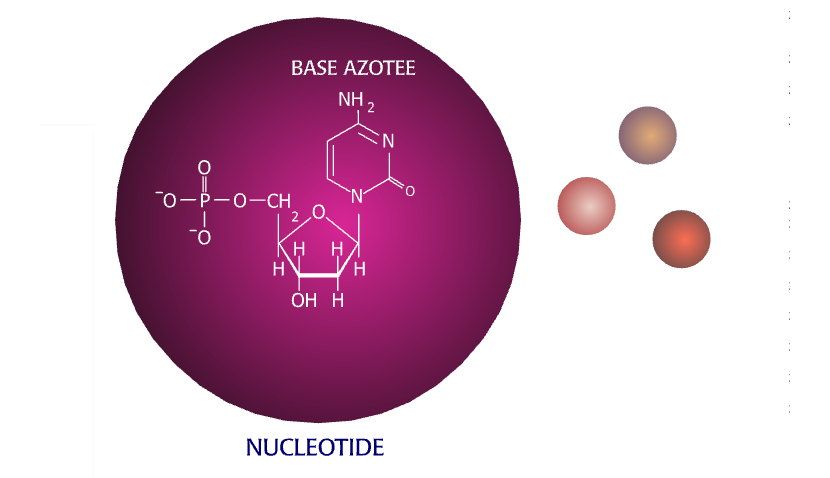
Phylo - Learn how to sequence a genome!
A game to enter the fascinating world of genetics.
Publish at January 27 2026 Updated January 27 2026


Fonts are not neutral. This may seem strange, since from an early age, we learn not to really notice it. And yet, a huge part of our potential relationship with an object or document passes through typography.
After all, typographers are designers, which means they draw on purpose. The idea is not only to be understandable, but also to evoke emotion. That's why butcher's signs use Gothic to evoke a touch of product authenticity, perfumes will use more cursive typefaces to evoke elegance, and so on.
As a result, this has repercussions as far as politics. The Trump administration has decided to attack all symbols of inclusivity, including the Calibri font found in federal communications under the Biden administration. Marco Rubio has called for the reuse of the Times New Roman serif font, seen as more noble.
This type of debate also took place under the Nazi regime. Futura, a popular German typeface, was seen by the government as a Bolshevization of Reich script. As a result, they adopted Fraktur, a font reminiscent of tradition, even of the Middle Ages. But they realized that it was very difficult for ordinary people to decipher. As a result, they're back to Futura.
Is this what will happen with Calibri in the United States? It's hard to say. For one thing, the typeface isn't all that inclusive and easy to read for the visually impaired, since the upper-case "I" and the lower-case "l" are similar: they're two sticks. The same goes for the "o" and the "0", which look very similar. On the other hand, Times New Roman, a typeface that originated in the newspaper industry, has not aged well with digital technology. As soon as it's larger than 10 points (the format in which it was digitized), its serifs are too wide and the letter too mushy.
Running time: 8min20
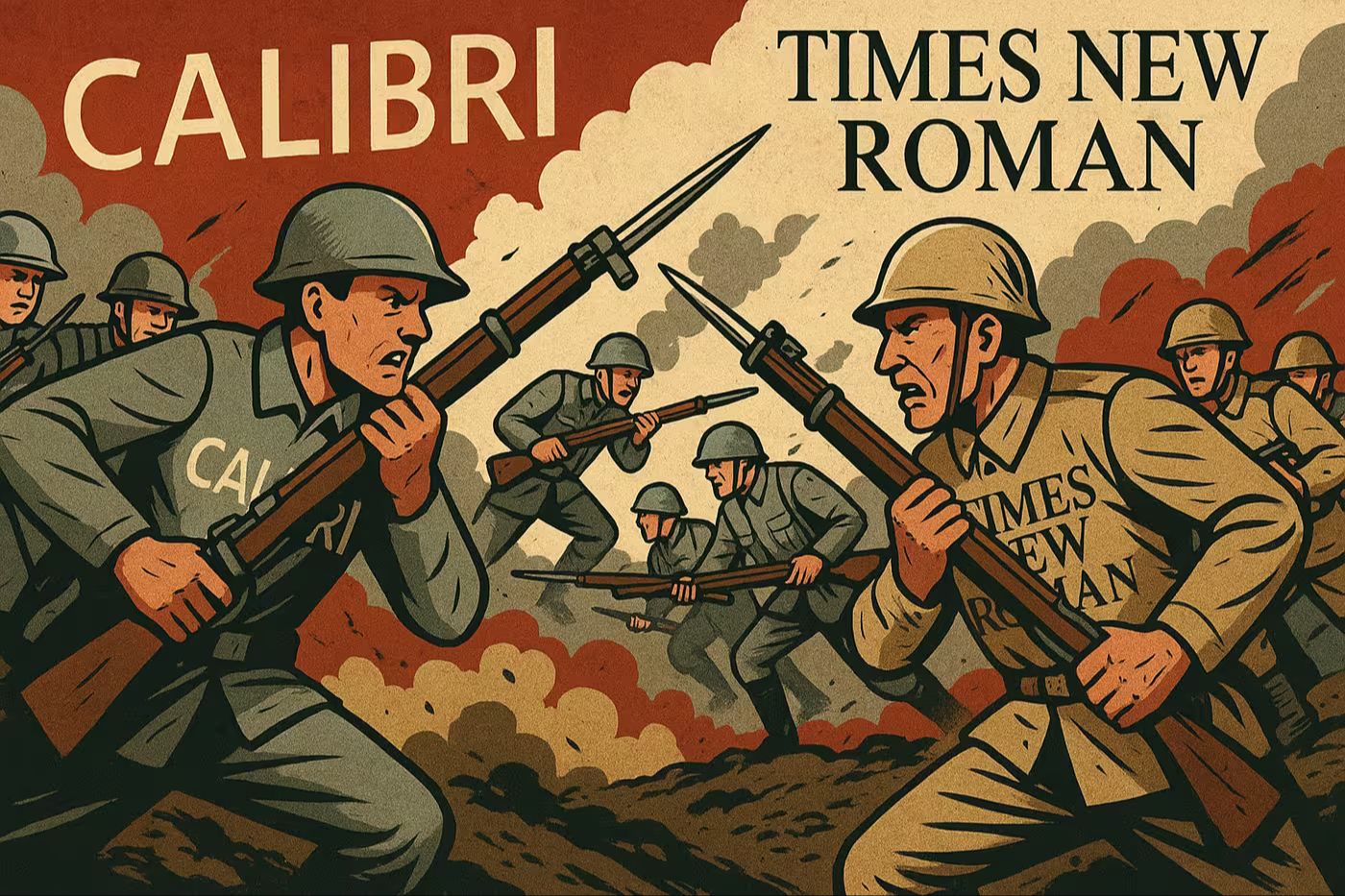
Image by AI (Copilot): "the war between Calibri and Times New Roman fonts".
Learn more about this resource
You might also like:
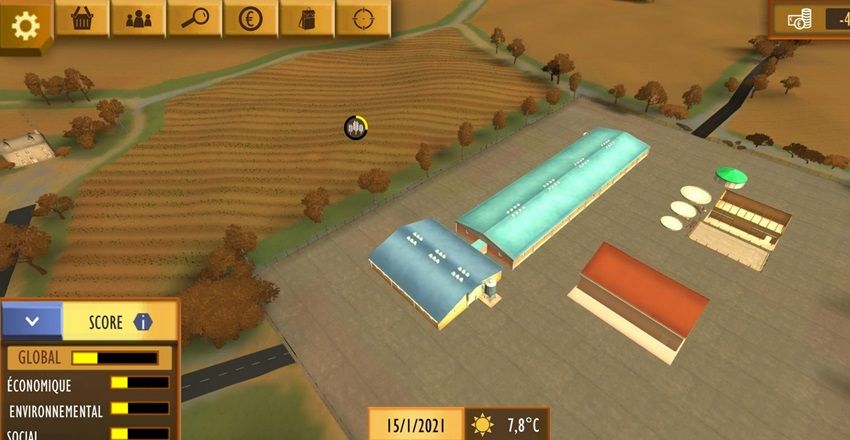
Reflecting on agroecology through play
There's nothing simple about being a farmer. You have to plan your activities throughout the year, make sure you have the right machinery, maintain it and so on. All with a view to ecology. A serious French game seeks to teach agroecology.
Develop your musical ear through play with Meludia
To a layman, music is just a tune performed by a musician. Yet, if he were to play Meludia, he would learn all the rudiments and terms associated with musical practice.
A series of games that require an ear.
The sharing economy has led to small changes in various economic sectors such as transportation, housing, etc. This approach has changed the relationship of citizens for different services, now cheaper and offered by their fellow citizens. However, who actually benefits from this new economy? The people or the companies in question? A U.S. newsgame shows how the life of Uber drivers isn't as lucrative as one might think.