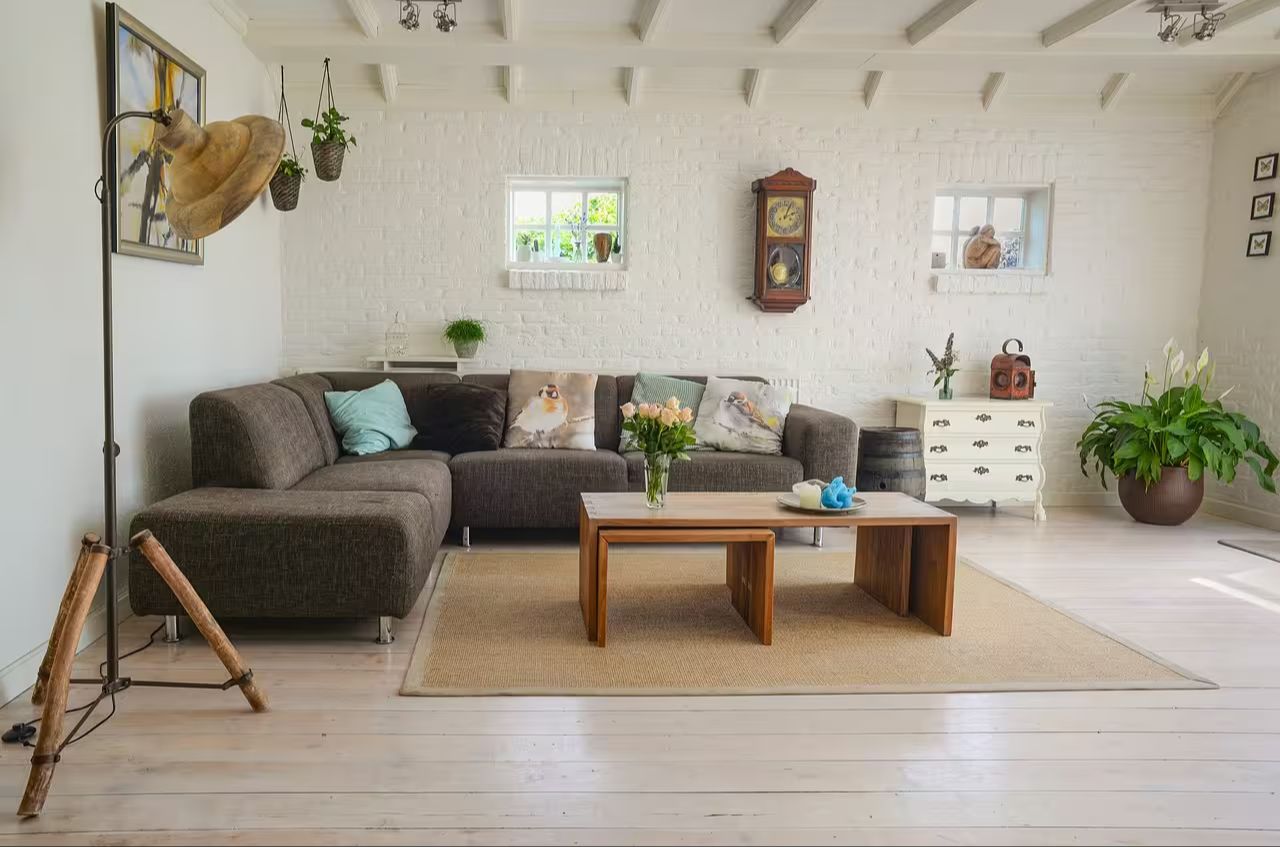
Disposable furniture is destroying the planet: two alternatives are emerging
Approaches to avoid over-consumption of furniture
The mass production of furniture has led to the democratization of all kinds of furniture. However, these are often not very durable and are quickly discarded by their owners, who buy something else. This consumerist behavior threatens a planet that does not have infinite resources. As a result, some people are thinking differently about furnishings.
What if, instead of buying furniture, we rented it? Admittedly, it may seem odd to think of it as something we don't own, but if it's at a fraction of the cost of buying new, it's well worth it. All the more so as it allows you to renew it at the end of each contract. As for the rental company, all it has to do is repair damaged items and make sure it offers a wide range of furniture.
Other companies seek to create sustainable furniture, using recycled materials from various sources and responsible or local forests to reduce the ecological footprint. This requires more work than a conventional assembly line. What's more, it means that there may be slight differences between the various pieces of furniture created, compared with standard production. This uniqueness can be quite charming, marking the originality of a home or business, and all without over-consuming resources.
All our lives have an online component. As a result, a large proportion of Internet users are at risk of being tricked by hackers. A short game invites Internet users to remember certain elements of cybersecurity using a space theme.
Video games designed for people with disabilities are already a rare resource. An experience that allows multiple players is even rarer. Yet this latest creation from "Ludociels for All" challenges players to light up an entire maze by walking balls of light.