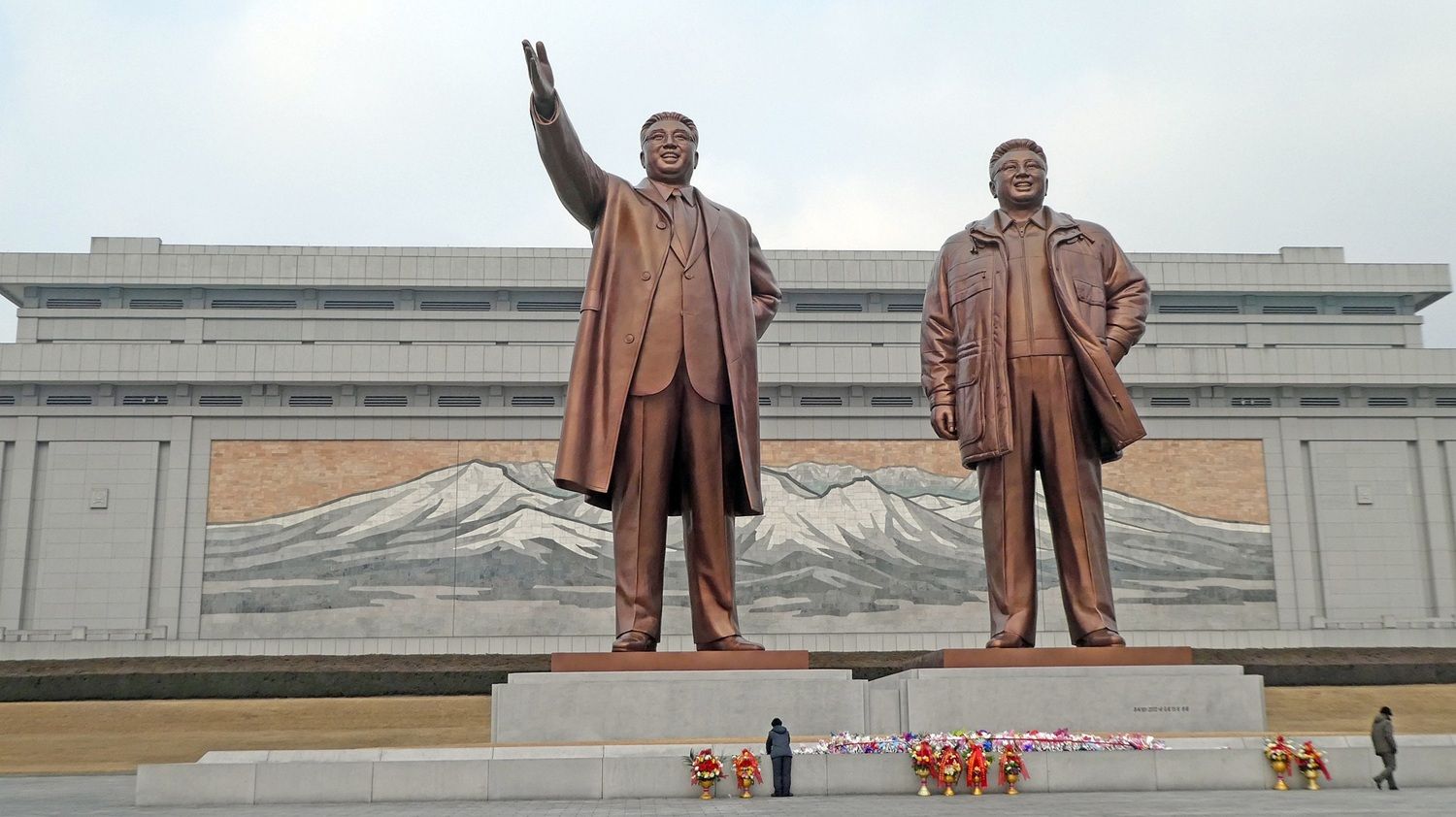
North Korea is probably one of the most secretive countries in the world. What information the rest of the world does get is drip-fed, and often emanates from government propaganda or a handful of sites with an outsider's interest. However, in June 2025, the nation officially opened a huge seaside resort stretching over five kilometers of coastline called Wonsan-Kalma. The whole thing could accommodate 20,000 people and would boast over 54 hotels, dozens of restaurants, shopping malls and more. But who is this center for? Does this mean that Pyongyang is opening up to foreigners? Yes and no.
Leader Kim-Jong Un has decreed that the complex is primarily intended for domestic tourists, including the North Korean elite and capitalist class. For others, the government will have to allow it. This could be an incentive to reward good performance and productivity.
Nevertheless, it is also open to Russian visitors, since the North Korean leader maintains cordial ties with Russia. An agency in Vladivostock is already offering packages to the resort. However, planes departing from this Russian city can only take 170 people on board. So it's going to take a lot to fill the place.
In fact, Pyongyang is hesitantly waltzing on tourism. On the one hand, the country's never-before-exploited windfall could be tempting, but on the other, the regime's fear of foreigners talking to the population remains deep-rooted. Many Chinese, for example, are fluent in Korean, and could promote capitalism on a larger scale in China and "lead" the North Korean people astray.
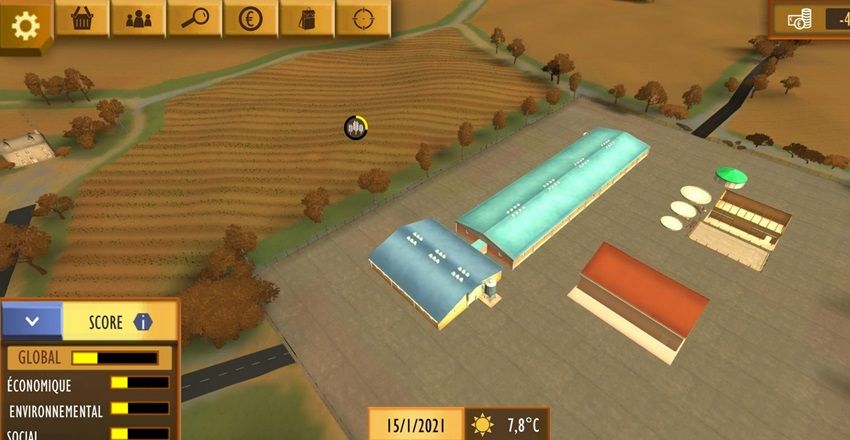
There's nothing simple about being a farmer. You have to plan your activities throughout the year, make sure you have the right machinery, maintain it and so on. All with a view to ecology. A serious French game seeks to teach agroecology.
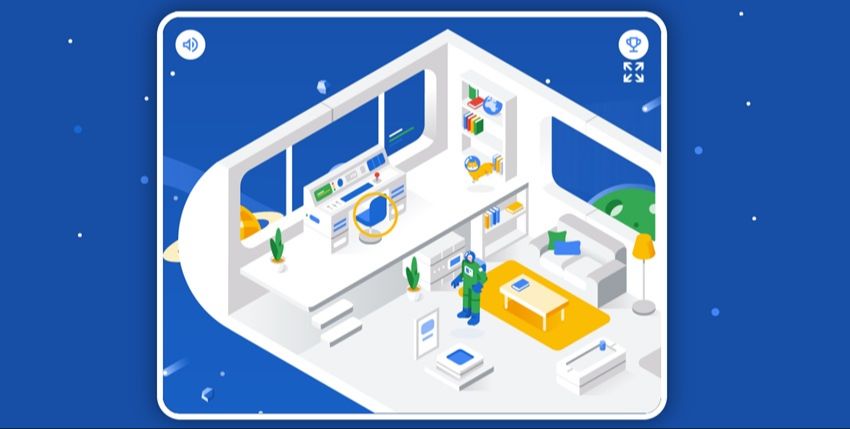
All our lives have an online component. As a result, a large proportion of Internet users are at risk of being tricked by hackers. A short game invites Internet users to remember certain elements of cybersecurity using a space theme.
The sharing economy has led to small changes in various economic sectors such as transportation, housing, etc. This approach has changed the relationship of citizens for different services, now cheaper and offered by their fellow citizens. However, who actually benefits from this new economy? The people or the companies in question? A U.S. newsgame shows how the life of Uber drivers isn't as lucrative as one might think.