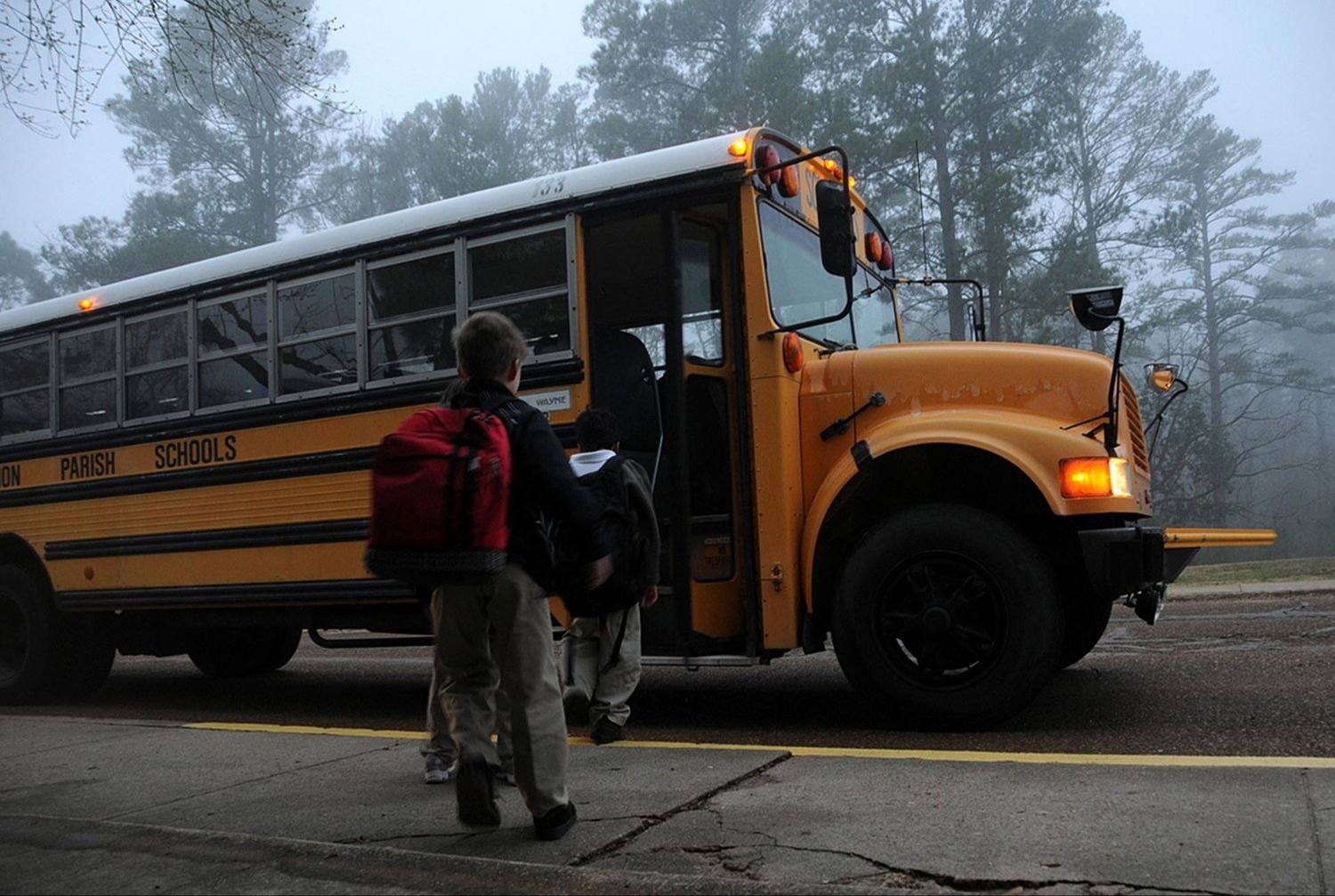
School trips are unique experiences for children. These out-of-school trips are a welcome change from the routine, offering enriching moments out of the ordinary.
However, younger children may be a little afraid to leave the reassuring confines of home and school for a few days. This video by Maître Lucas is aimed at children in CP, CE 1 & 2 and CM 1 & 2, to explain the basics of preparing for such a trip.
They'll need to prepare their suitcases carefully with their parents, so that they have appropriate clothing for the different types of weather, a hygiene kit and other items as decreed by the teacher. They are reminded that, even without their loved ones, there is still a framework of adults present, usually the teacher and activity leaders. They will be there to manage both activities and any problems that may arise.
This period is a good way for the younger children to acquire autonomy by having to pick themselves up, bring the things they need, and so on. In addition, everyone learns how to manage their privacy, and how to change in a respectful manner, with places to do so out of sight.
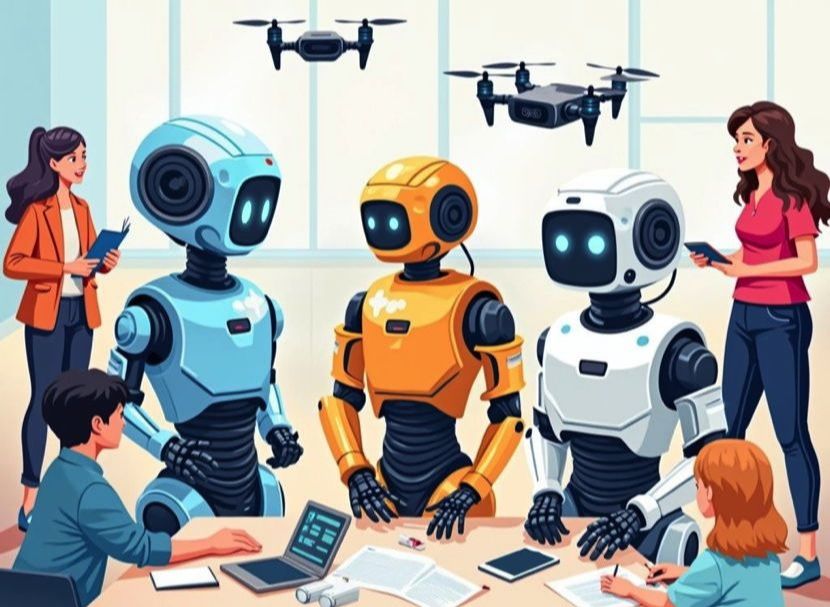
Faced with the rise of robotics, education that enables everyone to grasp the technical and ethical issues involved is crucial. There is an urgent need to train enlightened citizens, who can play an active role in a controlled "robolution". It's a challenge that calls for the mobilization of all educational, scientific and community players, to shape a society where humans retain control over their tools.
Many students from all over the world go abroad in order to have access to better programs. However, the African continent sees a huge part of its youth leaving and never coming back. This exodus of skills is hurting sectors such as medicine and digital technologies.
A good way to avoid worrying too much about the future is to take it day by day; that way our probability of seeing the next day always remains high. But the media love to show us something to worry about, even tomorrow. The best way not to worry about tomorrow, or even about the future, is to take care of it, and that starts at school.
Screens are a part of everyday life for students and teachers alike. This has even increased since 2020. As a result, both groups can experience technology fatigue with negative effects on both sides. What if the school and the home sphere left some learning time without digital and screens?
If the university environment is not the least anxiety-provoking, students must learn to regulate themselves emotionally in order to gain a little robustness.