"Once upon a time... DNA" - The basics of classical and molecular genetics
Publish at June 17 2026 Updated June 17 2026


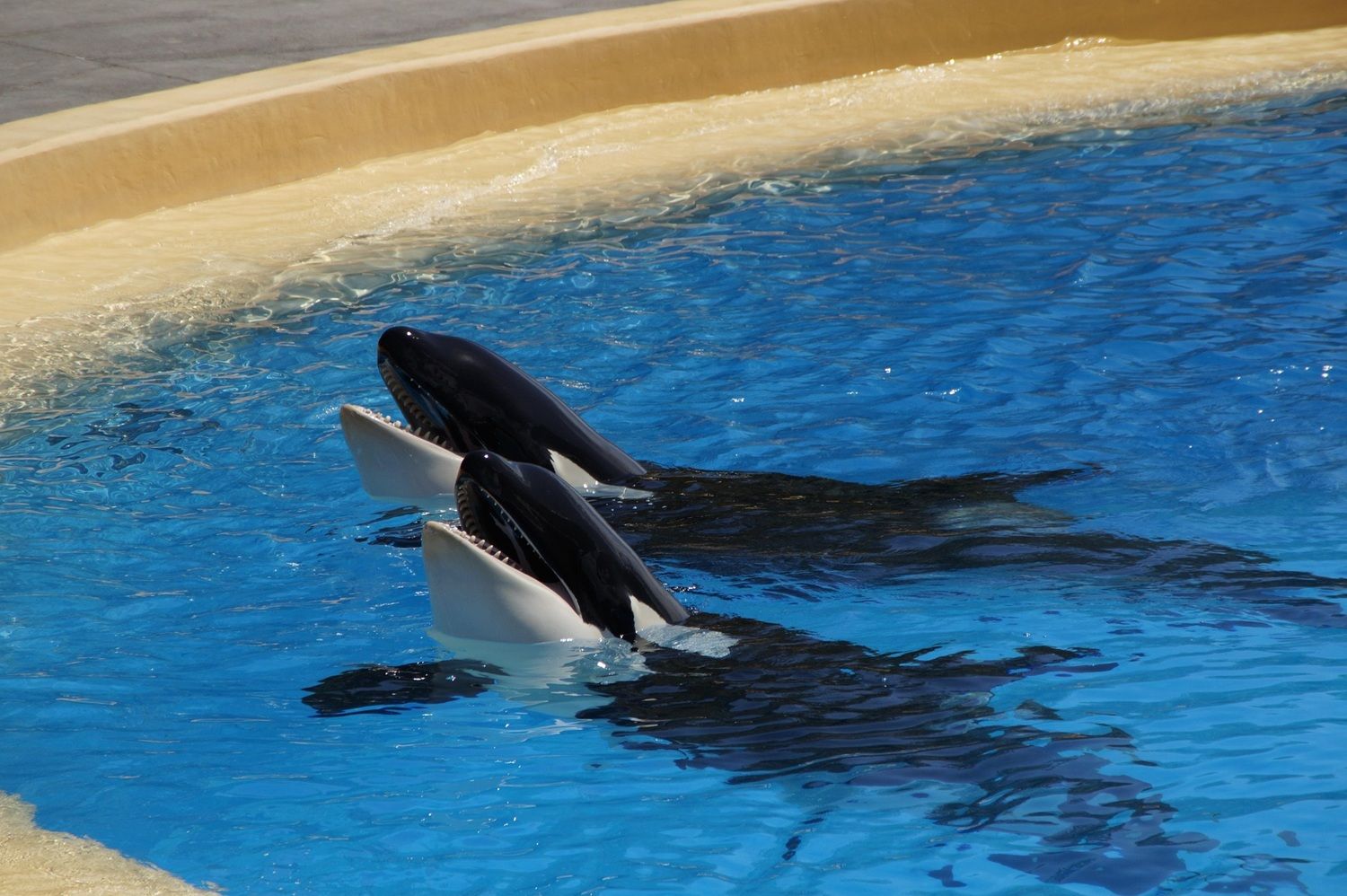
Orcas are among the most fascinating ocean predators. Not only are they remarkably intelligent, but they also live in groups. These “sea wolves,” easily recognizable by their black backs, white bellies, and ivory-colored patches above their eyes, were quickly seen as “attractions” for the aquarium and water park industry. For decades, young orcas were taken from their families and brought into captivity, where they performed in shows.
Today, the practice has been virtually banned almost everywhere, especially in Europe and North America. The work of animal protection organizations, along with documentaries that have exposed the often-cruel reality of their plight, has enabled hundreds of orcas to find their way to marine sanctuaries. This is because captivity in these parks did not meet their needs at all. Most of the pools are twelve meters deep, whereas in the wild they easily reach depths of two hundred meters. The frenetic pace of the shows also contributes to their decline, leading to sagging flippers, health problems, and sometimes deadly outbursts of aggression—with trainers having been drowned by orcas.
As marine parks close, however, some animals remain trapped in the facilities while awaiting a decision. In Antibes, Marineland closed its doors in 2025, but two orcas remain trapped in the facility, awaiting a resolution. The Spanish owners of the park wanted to relocate the cetaceans to a Japanese park, but France refused.
One of the last places in Europe to offer shows wanted to take them in, much to the dismay of advocacy groups seeking a solution that would set them free. It’s a political and legal conundrum, and time is running out for the two animals, whose health is deteriorating.
Duration: 31 minutes
Learn more about this resource
You might also like:
Tests of vigilance and attention
Measuring attention remains a concern in many settings. Some work tasks are not very error tolerant. Here are a series of sample tests to measure attention in children and adults.
Reflecting on agroecology through play
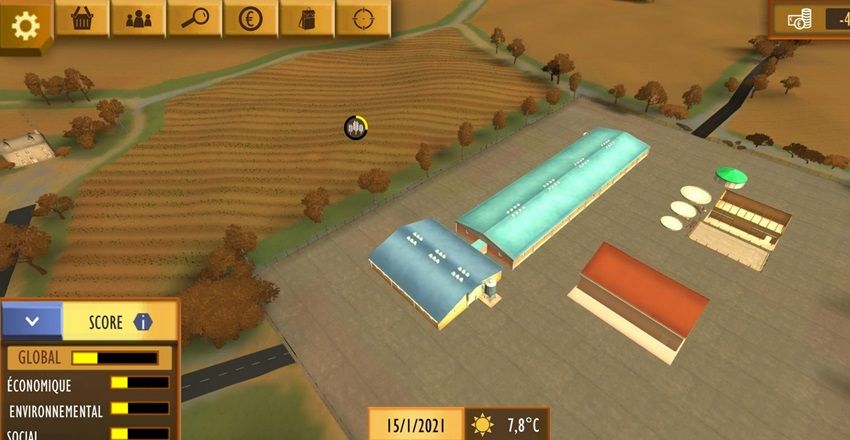
There's nothing simple about being a farmer. You have to plan your activities throughout the year, make sure you have the right machinery, maintain it and so on. All with a view to ecology. A serious French game seeks to teach agroecology.
The Englishes MOOC course was developed by an artist and is designed for anyone interested in the (English) language. It explores the history of English, its pronunciation, and its relationship to the art world.
A multiplayer game designed for people with disabilities
Video games designed for people with disabilities are already a rare resource. An experience that allows multiple players is even rarer. Yet this latest creation from "Ludociels for All" challenges players to light up an entire maze by walking balls of light.