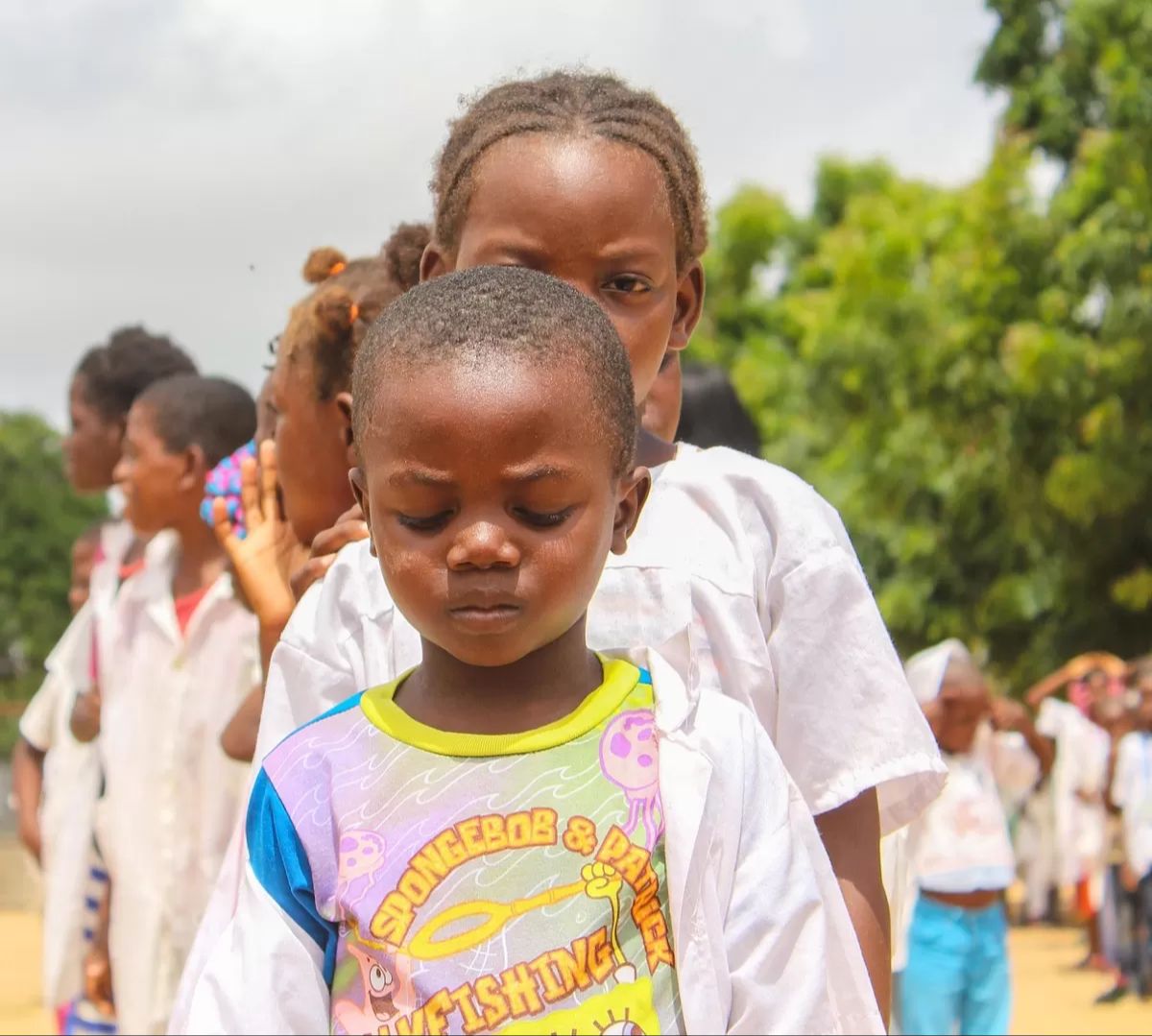
Languages in communication situations
The use of language as a means of intercomprehension between people who share the same culture and ideology in a context of multilingualism.
Publish at October 27 2021 Updated November 04 2021


Memory is one of the most important skills in a learning process. All the more so as two parts are stimulated. The so-called working memory receives the information and must make sense of it so that it can be stored more permanently in the long-term memory. Of course, it is possible to try to improve one's working memory but an adjustment of the teaching or revision framework would be more appropriate.
This article is reserved for subscribers to the full edition. You can subscribe Here.
You might also like:
Languages in communication situations
The use of language as a means of intercomprehension between people who share the same culture and ideology in a context of multilingualism.
The construction of citizenship in the schools of the Republic [Dissertation].
Establishing rules in the classroom by drawing parallels with those of society prepares students for their future life as citizens.
Formative Assessment vs. Summative Assessment: The Golden Age of Differentiation
On the eve of the implementation of middle school reform in France, the debate over assessment has reignited between its supporters and opponents. In line with the stated goal of differentiating instruction, ongoing assessment—transformed into formative assessment—allows teachers to push both the weakest and the highest-performing students beyond their limits by tailoring lessons to each student’s specific needs. There can be no differentiation without ongoing assessment!
Learning kanji from two ignorant masters
Established systems are not always the most effective. By experimenting and observing, it is possible to find more suitable forms of intelligence to serve the most varied wills.
Truth in the age of influencers: discerning the true from the false
Influencers blur the truth and operate manipulations on TikTok or Instagram, the latter increasingly replacing Google among young people. What educational tools and strategies are needed to equip students and teachers to meet the challenge of establishing the credibility of what is broadcast and transforming school into a space for critical inquiry?