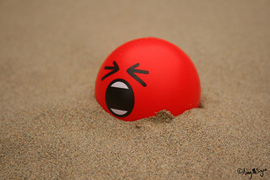
As a deadline, exam or performance approaches, the level of priorities changes, and students often begin to study or produce intensively, putting themselves "under stress". What are the limits? While practice builds confidence, and knowledge is not content with a grey area, it does require time and attention.
The strategies used to condense learning or production into a limited period of time are fairly well known, what is less well known is their actual effectiveness. Many classic methods don't really touch on the learning or production process. These are more complex and include organization, frequency and timing, feedback, verification and, above all, practice and exercises.
We see people staying focused for hours on end without even thinking about eating or drinking. They're the ones who should be the role models. They are in flow, nothing is misunderstood, the slightest doubt or hesitation is hunted down. Their motivation is self-sustaining, sometimes even group-wide.
The time allotted, the importance of the challenge, the amount of knowledge to be mastered or work to be produced, all influence the chosen strategy. Some students create controlled environments for themselves, others work in groups, some hire coaches, tutors or use technology with varying degrees of success. Some institutions offer "master classes" or "summer universities" to condense learning into a more intense period.
Why not be intensively active all the time? Graduating in half the time is entirely conceivable, especially with developments in artificial intelligence increasing the accessibility and effectiveness of adaptive learning. Traditional teaching couldn't make a group progress without losing a lot of time, or without losing the slowest learners. When you don't understand, intensity disappears, when you don't find meaning, motivation does too; in both cases you have to deal with it. When momentum is constantly interrupted, concentration evaporates; intensity demands commitment and cannot be accommodated by dispersion. And when you've understood, tension also ceases, so to maintain intensity you move on to the next stage, and so on until the end.
Denys Lamontagne - [email protected]
Illustration: diego_cervo - DepositPhotos