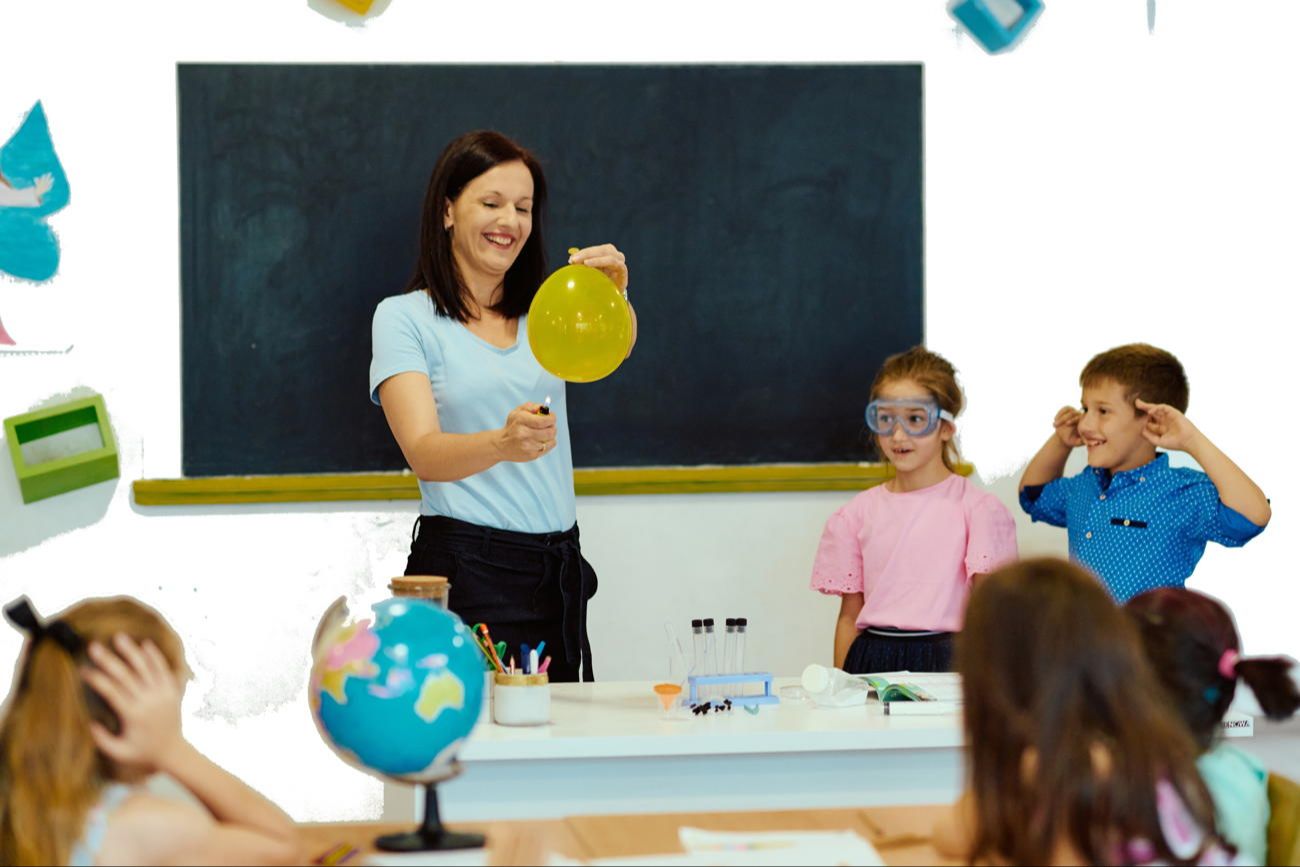
Excitement: understanding, anticipating, managing....
When it comes to excitement, understanding its natural character is a prerequisite. When it comes to crowds, the best way to manage a situation is tricky. How to manage excitement...
Publish at April 25 2023 Updated April 25 2023


With the covid pandemic, many students around the world, including in the United States, have fallen behind in schooling. The American school system has therefore decided to invest in intensive tutoring. A strategy that seems to be effective, under certain conditions.
This article is reserved for subscribers to the full edition. You can subscribe Here.
You might also like:
Excitement: understanding, anticipating, managing....
When it comes to excitement, understanding its natural character is a prerequisite. When it comes to crowds, the best way to manage a situation is tricky. How to manage excitement...
Entertainment-Based Education in the Age of AI
The value of using spectacle to teach and facilitate learning lies in the connection between attention and reflection. An environment where play stimulates without manipulating, where AI supports without short-circuiting effort, where immersion opens up an experience without eliminating reflection, and where personalization does not erase the contribution of the collective.
The article analyzes new ways of forming groups around meals, and shows new possibilities for integration and inclusion around the table. The training meal is no longer a test of culinary conformity; it's a laboratory of civility where different standards can be learned to cohabit.
By observing the strategy of the seeds, it is possible to derive models to promote the development of new ideas
When self-confidence loosens tongues
How to learn, practice and finally speak a language when you suffer from a sickly shyness? By having confidence in yourself! Presentation of some tips and tricks to stop speaking a foreign language in public!