Phylo - Learn how to sequence a genome!
A game to enter the fascinating world of genetics.
Publish at January 17 2022 Updated January 28 2022


The humanities are complex because they rarely offer testable theories like gravity in the natural sciences. What is more, they rarely mix. We would not see historians working together with psychologists. Yet this posture is rather counterproductive.
The historian of affects and imaginaries, Hervé Mazurel, has addressed this link in a book published in 2021. For him, while the idea of a single, universal collective unconscious does not make sense, clearly historical events shape people's subconscious.
For example, he looked at dreams experienced during the first containment of the covid-19 pandemic, archiving somewhere how minds created nighttime stories making connections to the plague, separation, etc. Without falling into history-therapy, he believes that understanding ancient psyches would better convey the sometimes major differences with those going on today.
Time: 32min30
Illustration: Mr Cup / Fabien Barral on Unsplash
Learn more about this resource
You might also like:
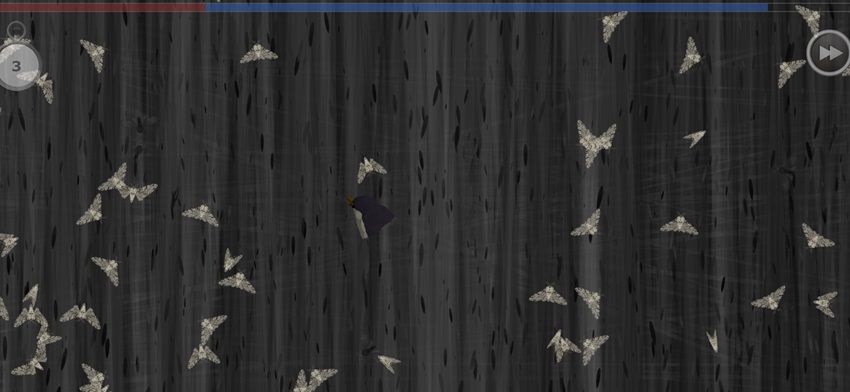
"Phalenes! understanding natural selection through play
A serious game designed to demonstrate natural selection and its effects on a moth population.
Elude: a serious game for understanding depression
An original approach to depression. The game's metaphor is well conceived, a little dark and informative about a problem that affects millions of people.
A serious game on social engagement
Many serious games address the topic of sustainable development. Yet before such solutions were proposed, innovative people had to go against the social grain and fight to improve their environment. A humorous adventure game, hosted by the National Film Board, teaches children the attitudes they need to adopt to make a difference.