Collective intelligence dialogue: Native American wisdom
In search of the ancestral practices of dialogue circles
Publish at January 24 2022 Updated February 04 2022


What if the circular shape had unseen effects on the desire to learn? Let's explore the pedagogy of the circle together.
This article is reserved for subscribers to the full edition. You can subscribe Here.
You might also like:
Collective intelligence dialogue: Native American wisdom
In search of the ancestral practices of dialogue circles
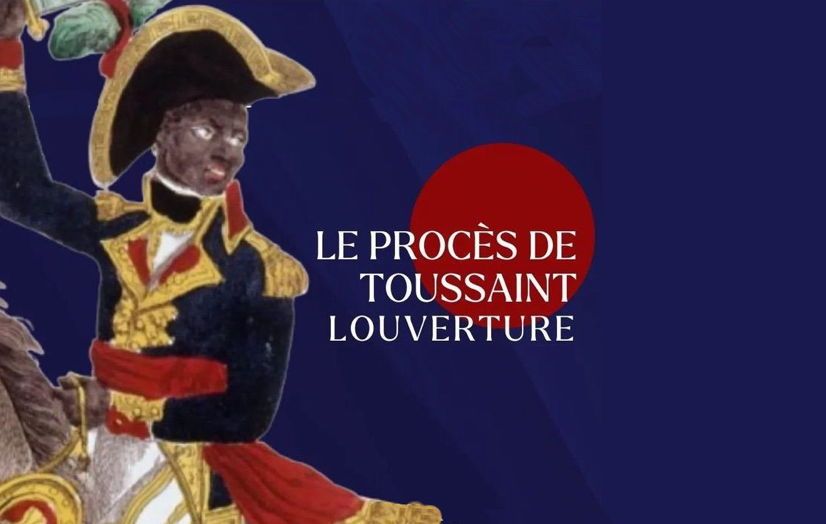
Revaluing and teaching historical figures through mock trials
The mock trial is in essence an exercise in conflict, and therefore promotes pedagogy through debate and, by extension, cognitive conflict. This cognitive conflict arises from the debates and exchanges generated by the group exercise.
For a philosophy in action - part I - Praxisophy
What is philosophy in action, and can we be actors in our own philosophy? How do you carve out your own representation of the world?
What teaching techniques should you choose?
Depending on the learning objective and the knowledge and skills to be imparted, some teaching techniques are better suited than others. How do you choose the right one? Check out this mindmap to help you make the right choice at a glance!
What if instead of complaining that everything is going wrong we focus on doing good?