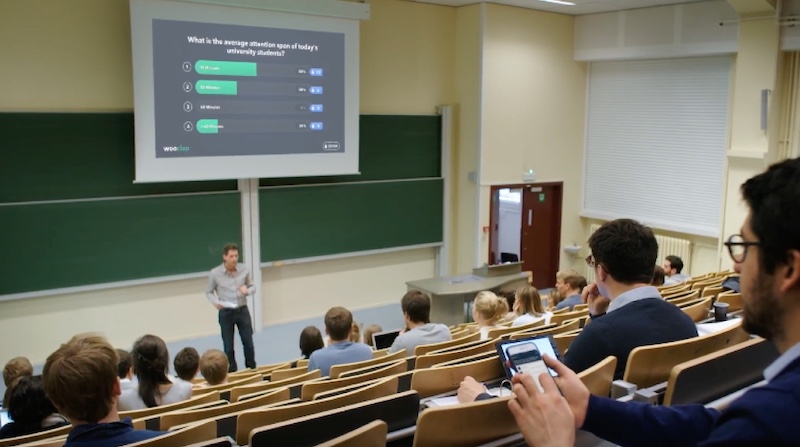
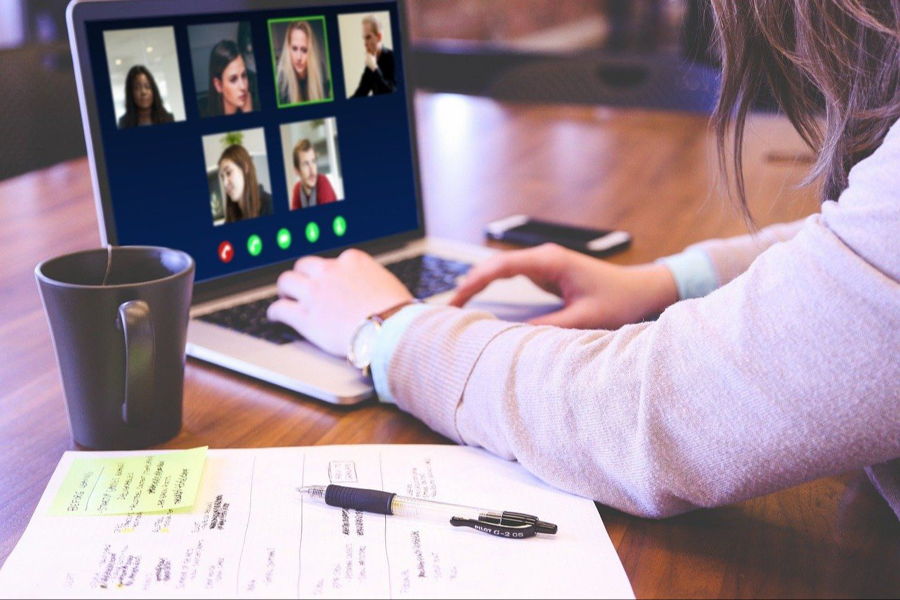
Of all the ways of teaching at a distance, the virtual classroom is the one that most closely resembles what is done when students are physically present at school. It is in the order of things that this formula has been widely adopted as the main medium to support "pedagogical continuity" because teachers and students find themselves in it without having to change all their habits.
The image of the virtual classroom, however, covers only part of the teaching that takes place at a distance, just as there is a certain idea of what takes place in the classroom. Teachers and students already know how to teach or study at a distance since a substantial part of the training is mediated, the "lecture" part being reduced year after year. Every time a teacher suggests a reading, a textbook, a video, an assignment, a research, he/she usually suggests using mediated resources. Even the management of lessons and the deposit of documents are most often done on a digital platform. Teachers' time is better used to support students in their work, in team facilitation, discussions, projects.
Education moves from transmission to a real process of knowledge acquisition and development. The "social", collaborative part is developing and enriching as much in the virtual classroom as in the real one and these are the practices that have been most imposed on virtual platforms in recent years. We are now a long way from the one-way virtual classrooms of the early days.
The forced move to distance has only accelerated the development of skills, habits, techniques, and discipline for teaching and learning in hybrid ways, in all ways, and on all occasions. It's a safe bet that when we return to the classroom, this one won't come back the same; new possibilities have opened up.
Denys Lamontagne - [email protected]