Animals never have to wonder what the next meal will be. A large part of their existence lies in the ability to find their food. Humans knew this instinct a long time ago. Then, hunting and protein intake made his brain grow to the point of developing tools to feed himself. Today, supermarkets are overflowing with choices like never before.
As children, we usually have the satiety reflex capable of informing us when we have enough. However, as we grow up, this one fades away in favor of emotions. We shun foods that bring back bad memories and seek out those with the most positive connotations.
The food industry has understood this by offering manufactured products packed with sugar that take away the brain's ability to say to itself, "That's enough! We have enough energy!" Going back to a natural diet would allow us to avoid overeating.
To a layman, music is just a tune performed by a musician. Yet, if he were to play Meludia, he would learn all the rudiments and terms associated with musical practice.
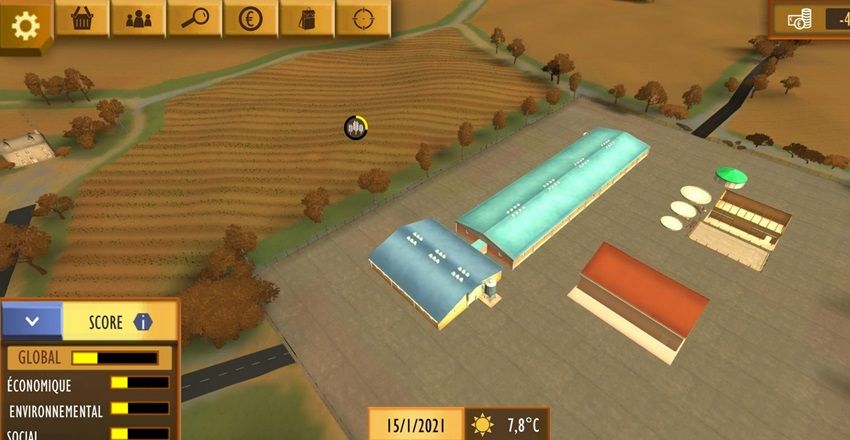
There's nothing simple about being a farmer. You have to plan your activities throughout the year, make sure you have the right machinery, maintain it and so on. All with a view to ecology. A serious French game seeks to teach agroecology.
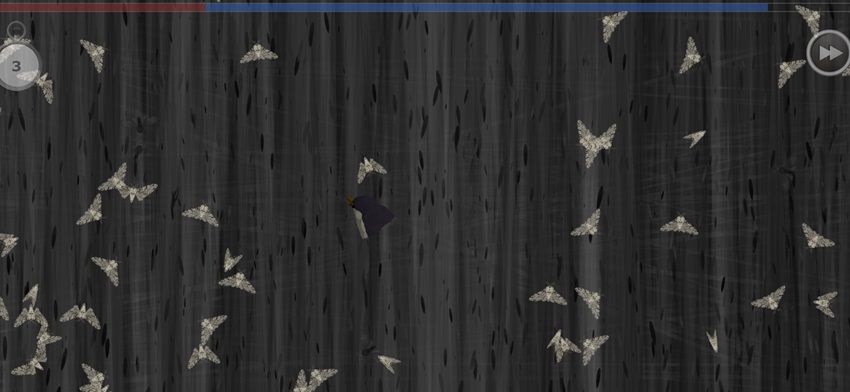
An original approach to depression. The game's metaphor is well conceived, a little dark and informative about a problem that affects millions of people.
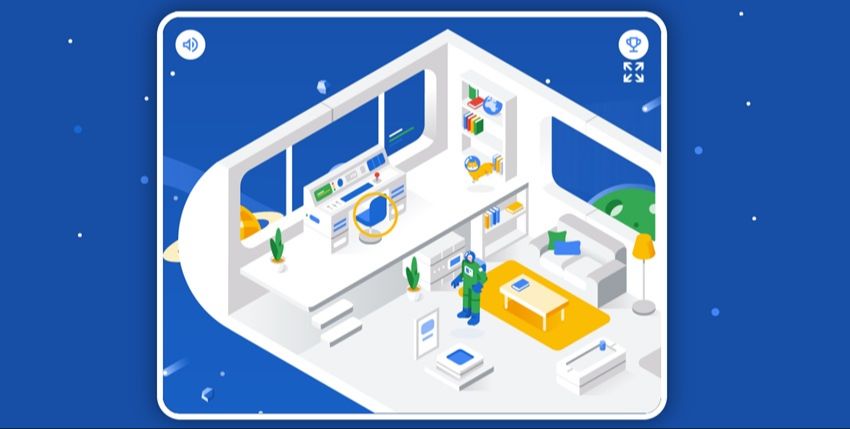
All our lives have an online component. As a result, a large proportion of Internet users are at risk of being tricked by hackers. A short game invites Internet users to remember certain elements of cybersecurity using a space theme.