"Once upon a time... DNA" - The basics of classical and molecular genetics
Publish at May 10 2022 Updated May 16 2022


The topic was still very much on the table during the 2022 French presidential campaign: immigration. Many politicians, from all political sides, began to claim that the waves of migration were uncontrollable and that they were constantly increasing.
A bleak picture that particularly favors right-wing and far-right parties in their "great replacement" theory, that the "native" population would eventually be a minority. This idea has been swept aside by many scientists specializing in demography.
On the other hand, as this Le Monde report based on INSEE data reminds us, it is not wrong to say that immigration is growing. However, the weight of the latter is not as important when one calculates those who leave or die. The arrival rate will surely be a little higher in the coming years because of the fertility of first-generation migrants and the upheavals in the world.
Whether it's a richer Africa or potential wars and crises caused by climate change, it's hard to get a clear picture. However, there is nothing to suggest the far-fetched, and often racist, theories of a replacement in the West especially since these numbers do not take into account the integration of these individuals.
Time: 9min51
Picture credit: en.depositphotos.com
Learn more about this resource
You might also like:
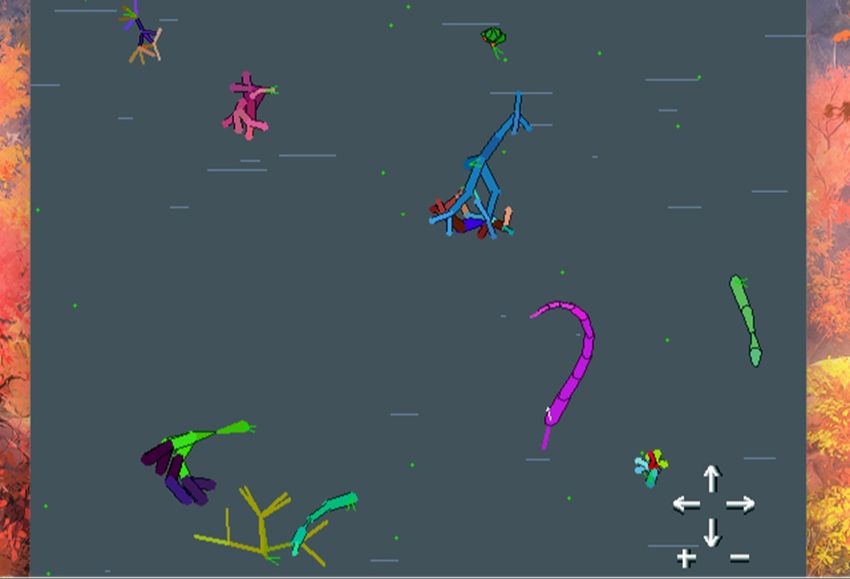
A virtual aquarium to understand Darwinian evolution
Is it possible to understand evolution through simulation? It would seem so. A very interesting resource for high school science classes.
Learn the mechanisms of misinformation with Bad News
Understand the strategies of online disinformation through an interactive experience that puts you in the shoes of a fake news propagator.
A fun game about heredity and genetics - Welcome to Thingdom
How do you talk to children about genetics and heredity? A British museum has come up with the method: design a game in which you create a line of adorable creatures with precise objectives. The game is fun, colorful and easy to learn. Even adults will succumb to the charms of the bugs and their large families.
"Space Shelter: Google's cybersecurity game
All our lives have an online component. As a result, a large proportion of Internet users are at risk of being tricked by hackers. A short game invites Internet users to remember certain elements of cybersecurity using a space theme.