![]()
Recognition of prior learning, an effective way to obtain a diploma
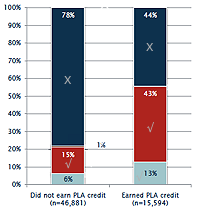
Between 2001 and 2008, 56% of the 62,475 students in North America who benefited from prior learning assessment and recognition (PLAR) went on to earn a degree, compared with just 21% of non-PLAR students. Given the results in terms of perseverance and the volume of courses taken (20% more), PLAR, for both distance and classroom courses, is an option that all institutions would do well to offer their candidates.
![]()
Organizing the classroom into workshops
There are dozens of ways to teach. Several approaches are available to revitalize the lecture formula in the classroom. Many teachers are interested in one of these: the workshop technique.
![]()
Integrating virtual reality into educational scenarios
Virtual reality has been democratized among the general public and the education sector. However, headsets are still expensive and introducing this technology in an educational setting requires consistency. Which uses are able to inculcate knowledge and skills?
![]()
Preparing with AI for interviews conducted... by an AI
In a job market full of interesting candidates, finding the rare pearl is no easy task. You need to identify the right talent, and then quickly offer them a meeting and, in the best-case scenario, an employment contract. The use of AI then becomes as much a tool for recruiting as it is for conducting successful job interviews.
![]()
Raising awareness of local biodiversity
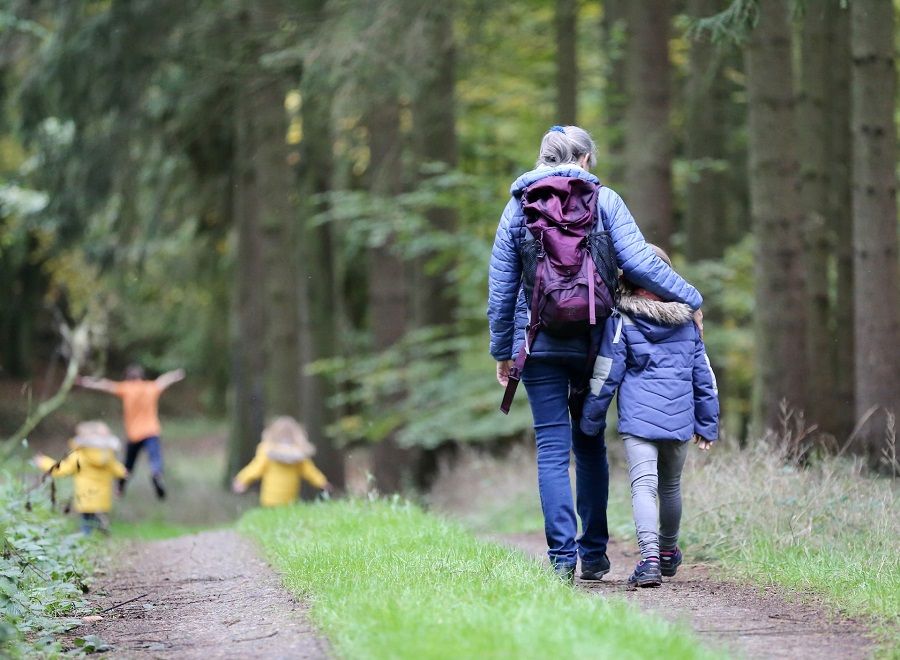
Environmental issues are on the minds of younger generations. The realities of flora and fauna can at times seem remote. That's why it's important to take them on a walk through local environments, so that they can see the big picture, the problems that need to be addressed, and remind them of the importance of preserving biodiversity and ecosystems.