"Phalenes! understanding natural selection through play
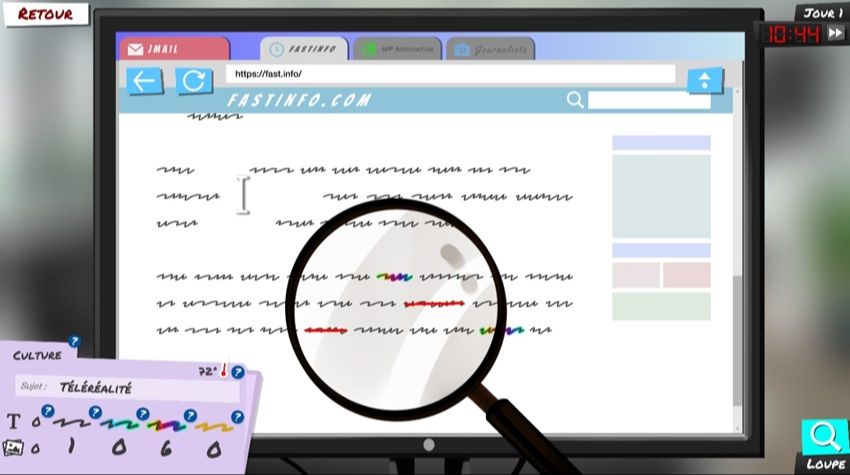
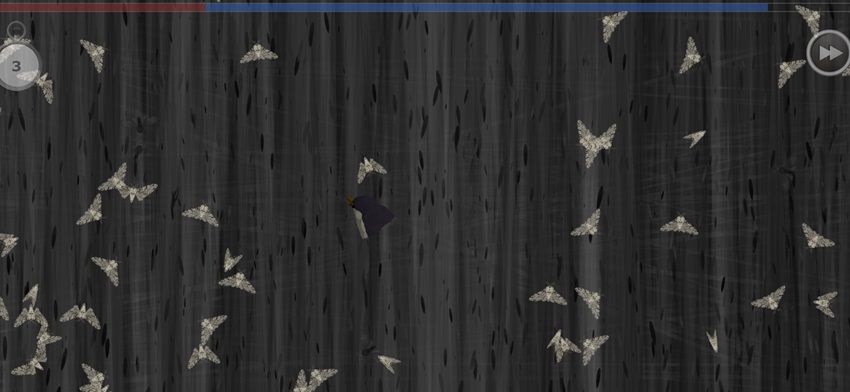
A serious game designed to demonstrate natural selection and its effects on a moth population.
Publish at November 23 2022 Updated November 23 2022


We are in the century of astrophysics. More than ever specialists of the universe, the stars and its "history" have access to valuable data. Only in 2022, the first images of the James Webb telescope have amazed everyone. Never before have we been able to see so far into space. And this is not about to stop, quite the contrary.
Gradually, as explained by astrophysicist and director of research at the Commissariat à l'Énergie Atomique et aux Énergies Alternatives David Elbaz, astrophysicists are beginning to understand better, among other things, the reasons for the shapes of galaxies and their behavior. If until now, the scientific community was able to analyze all the data received, this will no longer be possible by 2024 or 2025. Indeed, other devices and telescopes will be able to receive the equivalent of the entire Internet every day. Enough to make researchers dizzy, who will no longer have the choice of calling on artificial intelligence to help them process this mass of information.
Doesn't artificial intelligence run the risk of having a degree of ignorance similar to that of astrophysicists? Certainly, but for Mr. Elbaz, this is a good thing. By analyzing the universe only by these means, it will directly or indirectly answer questions. What's more, it will be able to simulate from the data collected movements, formations and other realities in the cosmos.
Time: 38min41
Picture credit: en.depositphotos.com
You might also like:
"Phalenes! understanding natural selection through play
A serious game designed to demonstrate natural selection and its effects on a moth population.
A fun game about heredity and genetics - Welcome to Thingdom
How do you talk to children about genetics and heredity? A British museum has come up with the method: design a game in which you create a line of adorable creatures with precise objectives. The game is fun, colorful and easy to learn. Even adults will succumb to the charms of the bugs and their large families.
"Space Shelter: Google's cybersecurity game
All our lives have an online component. As a result, a large proportion of Internet users are at risk of being tricked by hackers. A short game invites Internet users to remember certain elements of cybersecurity using a space theme.
A serious game on social engagement
Many serious games address the topic of sustainable development. Yet before such solutions were proposed, innovative people had to go against the social grain and fight to improve their environment. A humorous adventure game, hosted by the National Film Board, teaches children the attitudes they need to adopt to make a difference.
Newscraft: the game that puts you in the shoes of a reporter
A serious game that explains and brings to life the notion of news selection and the editorial line of different types of media.