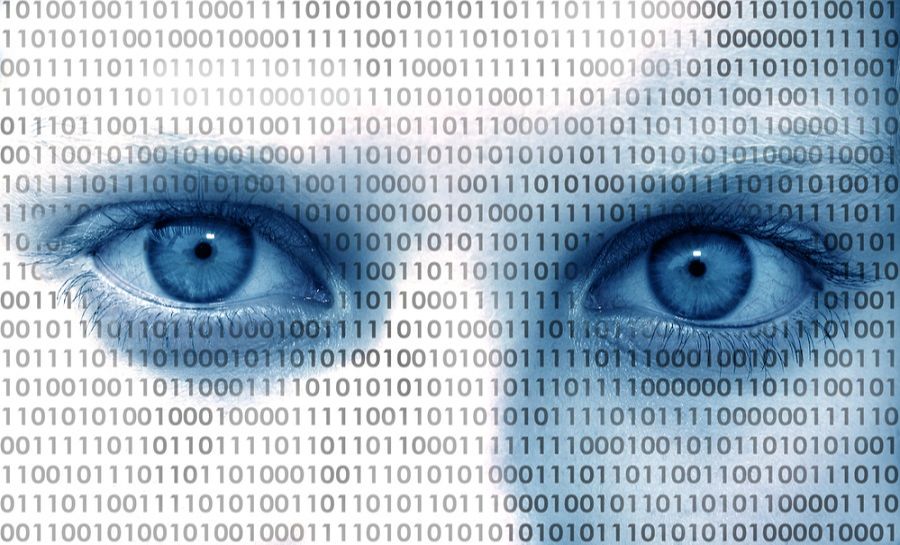
We are in a new paradigm: that of data. With the Internet and digital technologies, more than ever, it is possible to know a lot about those who use the networks. Just think of the cookies that are offered on almost every site visited. Legislation such as the RGPD in Europe has allowed Internet users browsing sites in Europe to be able to choose whether or not to accept them.
This world of data has become a gold mine for advertisers, as their exploitation funds a good deal of popular sites. For hackers, it can also be worth a fortune. Not only when they access bank or credit card information but simply to blackmail site administrators or organizations whose information they possess.
Learners far from being preserved
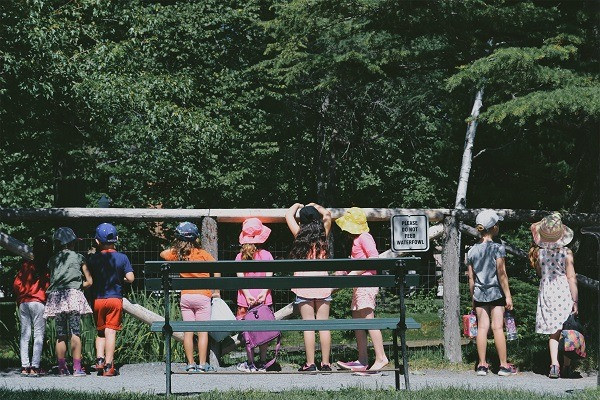
We might think that the school is rather preserved from this type of attacks but this is not true. In fact, in the United States alone, between 2016 and May 2020, more than 300 school districts suffered breaches. Nearly 100 other breaches over the same period affected student data. While, thankfully, those involving the latter are decreasing, those affecting school districts have steadily increased. A still recent attack showed the fragility of student information in Uncle Sam's country.
The problem is not just in the United States. In Quebec, in February 2020, 51,400 teachers had their personal data stolen. This is among the many examples in this document published by UNESCO in 2022. For the United Nations agency, data protection in education is paramount in a world that is constantly being digitized everywhere. The right to privacy is fundamental and this is even more true with minors who did not ask for all this data to be accumulated about them. Moreover, the computer giants are often lagging behind in protecting their users. It must be said that a good part of their profits come from the sale of this information to advertisers.
This consequently greatly moved Denmark, which decreed that schools in the city of Heslingor would no longer use Google services since the latter does not comply with the prerequisites of the European law on RGPD (General Data Protection Regulation). This municipality had noticed in 2020 a violation of personal data. This ban could therefore very well become widespread throughout the Scandinavian country. And others could follow in its wake if Alphabet does not change its methods in the near future.
Caution is the order of the day
So how do we protect learners' data?
- First make sure the applications used in teaching are secure. Indeed, there are hundreds of thousands of small software programs on the various stores for smart devices, yet a large portion of them can pose cybersecurity risks. We have to be careful about free educational solutions. Of course, everyone wants to avoid paying money while offering the best credentials for learning. Often, this lack of cost comes with significant security flaws.
- Investing also in checking for possible network vulnerabilities could decrease risks even if it can't 100% prevent an attack. It can at least prevent several and especially point out potential vulnerabilities. Besides, it seems pretty basic to remind, especially students on campus, to be careful with public wi-fi networks. They are generally easier to hack into. Making financial transactions or sharing personal information on them is therefore risky. As for practices within the school, digital virtual networks (VPNs) can effectively protect learners even if they come with a cost.
- Finally, among the ideas for defending student data, anonymization or pseudonymization can preserve their identity. This means hackers wouldn't be able to link info to a person. On the other hand, this practice is difficult to implement and is hard to justify. However, it is possible.
- Schools also need to keep data for a certain amount of time especially when it comes to photos, minutes, educational materials, etc. All should be protected in vaults or systems such as Synbox for a reasonable period of time and after that, the content should be deleted from any device and websites.
- A system such as Solid allows for the protection of student data while still giving students control over their own data. This article provides more detail - Who has control over students' personal data? -
Such a securitization effort obviously takes time and money. Fortunately, public authorities seem to be slowly recognizing the crying need for data protection as data collection increases. Help of this sort accompanied by clear application rules and even cybersecurity training can greatly decrease the risk of a breach in schools.
Photo credit: en.depositphotos.com
References:
Arundel, Kara. "Why Student Data Remains at Risk - and What Educators Are Doing to Protect It." K-12 Dive. Last updated December 14, 2021.
https://www.k12dive.com/news/why-student-data-remains-at-risk-and-what-educators-are-doing-to-protect-it/611462/.
"Choosing An Online Application Or Service: Ensuring Our Students' Data Is Protected." Académie De Paris. Last updated April 2022.
https://www.ac-paris.fr/choisir-une-application-ou-un-service-en-ligne-garantir-la-protection-des-donnees-de-nos-eleves-122518.
"A Cyberattack Illuminates the Shaky State of Student Privacy." The New York Times. Last updated July 31, 2022.
https://www.nytimes.com/2022/07/31/business/student-privacy-illuminate-hack.html.
Fritchen, Katie. "11 Tips For Protecting Student Data Privacy And Security In EdTech." ManagedMethods. Last updated March 16, 2022.
https://managedmethods.com/blog/protecting-student-data-privacy-and-security-edtech/.
Galarita, Brandon, and Brenna Swanston. "How To Protect Your Student Data In College." Forbes Advisor. Last updated July 28, 2022.
https://www.forbes.com/advisor/education/protecting-college-student-data/.
Larouche, Katy. "Identity Theft In Education: Victim Calls For Tighter Laws." Radio-Canada.ca. Last updated November 28, 2020.
https://ici.radio-canada.ca/nouvelle/1753167/lois-quebec-enseignant-vol-identite-fraude.
"Denmark Wants To Protect Its Data And Ban Google From Its Schools." Journal Du Geek. Last updated July 19, 2022. https://www.journaldugeek.com/2022/07/19/le-danemark-veut-proteger-ses-donnees-et-bannit-google-de-ses-ecoles/.
McDonald, Rob. "Three Ways to Prioritize Student Data Protection." Spiceworks. Last updated November 10, 2022.
https://www.spiceworks.com/it-security/data-security/guest-article/ways-to-prioritize-student-data-protection/.
"Minding the data: protecting learners' privacy and security." UNESCO. Last updated 2022.
https://unesdoc.unesco.org/ark:/48223/pf0000381494.
Phippen, Andy. "Balancing Student Data Collection and Privacy Protection." THE Campus. Last updated August 3, 2022.
https://www.timeshighereducation.com/campus/balancing-student-data-collection-and-privacy-protection.
Thot Cursus - Whose Control of Student Personal Data? - December 2022
https://cursus.edu/fr/26043/a-qui-le-controle-des-donnees-personnelles-des-etudiants
See more articles by this author