Shorthand, an almost extinct form of professional writing
A writing skill that has helped many women find jobs : stenography
Stenography
Period office series always show women with small notebooks following and noting what their bosses are saying. This role was fulfilled by thousands of women from the early twentieth century until the 1980s. How did they manage to take note of everything and retranscribe by typing what their superiors dictated? By using the shorthand language, a succession of codes enabling them to write at the speed of a person.
But according to this podcast documentary by Clara Blein-Renaudot, this was not always the case. Indeed, the first stenographers were men. However, the growing needs of the role forced society to introduce women. From then on, thousands of women took up the language and were able to emancipate themselves with a demanding but rewarding job. At least, personally, as these were still jobs with no possibility of promotion.
A number of former shorthand typists testify to their reality. Some even shared their diaries, obviously written in shorthand. Fortunately, the documentary filmmaker learned how to write and read them, so she can recount some of the happy moments in these women's lives, as well as some of the more difficult ones. Some saw their careers take off with marriage and children; others managed to juggle the two, even if it meant great exhaustion. This led women's unions to demand shorter working hours, since they also had the domestic sphere to attend to.
With the arrival of dictaphones in the 1980s, the need to master shorthand virtually disappeared. Only those who learned the language at the time are left to share this writing, which is not only professional but also emancipatory for generations.
To a layman, music is just a tune performed by a musician. Yet, if he were to play Meludia, he would learn all the rudiments and terms associated with musical practice.
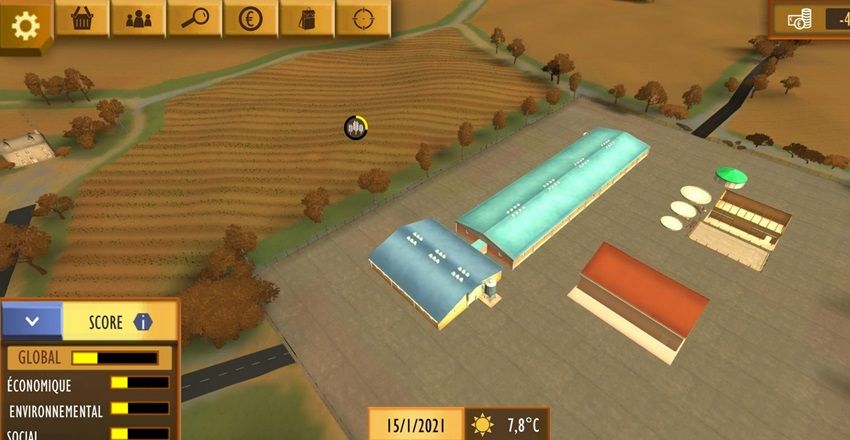
There's nothing simple about being a farmer. You have to plan your activities throughout the year, make sure you have the right machinery, maintain it and so on. All with a view to ecology. A serious French game seeks to teach agroecology.
All our lives have an online component. As a result, a large proportion of Internet users are at risk of being tricked by hackers. A short game invites Internet users to remember certain elements of cybersecurity using a space theme.