"Once upon a time... DNA" - The basics of classical and molecular genetics
Publish at January 31 2024 Updated January 31 2024


Invasive species raise all kinds of concerns. Certain animals and plants transported from elsewhere to new territories have put native species at risk. But is this always the case? That's the question posed by this ARTE documentary, which looks at French natural environments. For example, the bullfrog, which transposed from North America to Europe, has driven the green frog out of certain ponds and marshes, given their considerable size. Fortunately, their numerous tadpoles serve as food for birds.
It's always difficult for scientists to know at first whether the appearance of an exotic species will cause problems in an ecosystem. It's usually necessary to follow the evolution of the population and that of other animals and plants. So it's still hard to know what impact the presence of wallabies far from their native Australia will have. On the other hand, biologists have noted that African birds, including the royal ibis, are not at all harmful to the local fauna of the Brière, even if hunters and environmentalists alike don't believe a word of it.
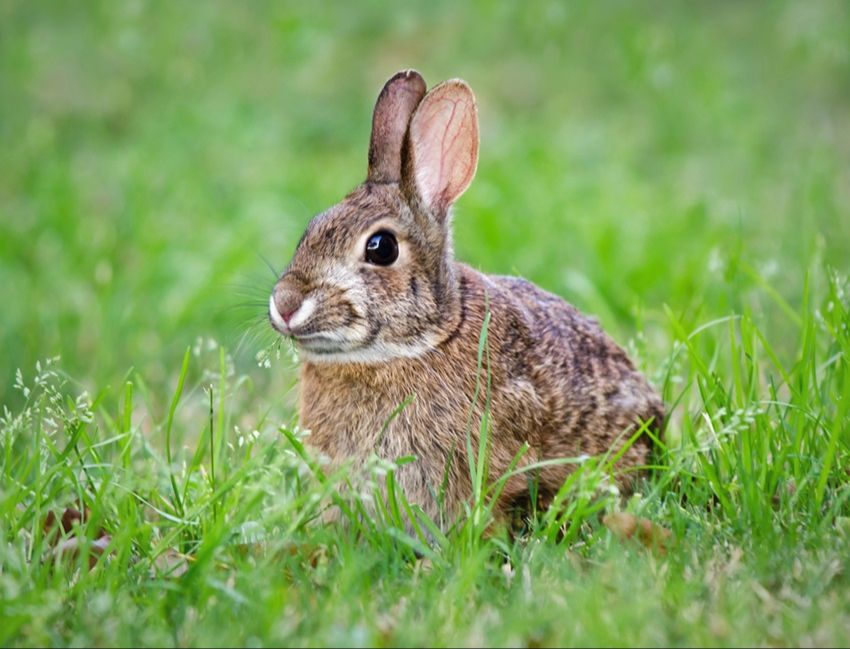
In fact, many species considered common in France originate elsewhere. The Romans, through their conquests, brought the wild rabbit and the pheasant from other lands. Wheat, native to the Middle East, has become, along with the poppy, a regular plant species in the European countryside. The same is true of the brown rat, whose origins lie in China. And yet, rodents play a vital role in various ecosystems, including urban ones.
So, pointing the finger at all species from elsewhere seems counterproductive. Some are indeed harmful to biomes, but many others manage to integrate into natural environments and enrich them. This is all the rarer in a world where, due to climate change, biodiversity is becoming increasingly rare.
Running time: 42min46
You might also like:
A fun game about heredity and genetics - Welcome to Thingdom
How do you talk to children about genetics and heredity? A British museum has come up with the method: design a game in which you create a line of adorable creatures with precise objectives. The game is fun, colorful and easy to learn. Even adults will succumb to the charms of the bugs and their large families.
Tests of vigilance and attention
Measuring attention remains a concern in many settings. Some work tasks are not very error tolerant. Here are a series of sample tests to measure attention in children and adults.
Newscraft: the game that puts you in the shoes of a reporter
A serious game that explains and brings to life the notion of news selection and the editorial line of different types of media.
A virtual aquarium to understand Darwinian evolution
Is it possible to understand evolution through simulation? It would seem so. A very interesting resource for high school science classes.