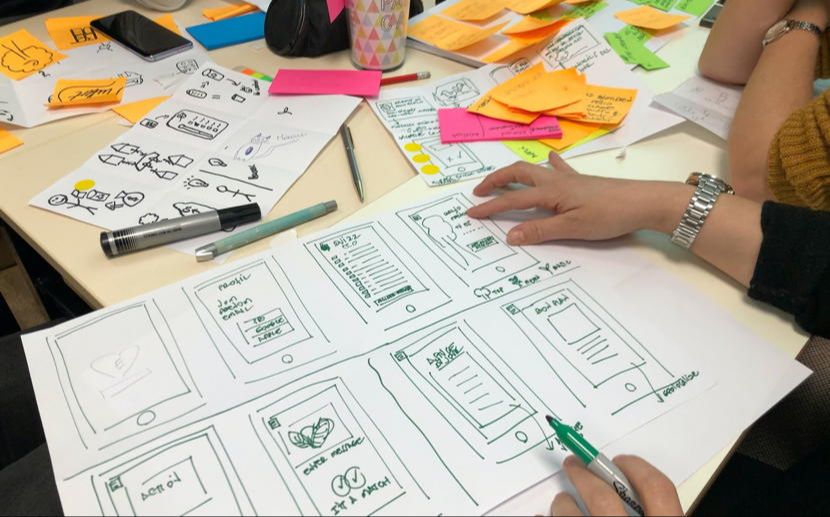
Design thinking in the age of artificial intelligence
History of design thinking and the main stages of the method. The method can be applied to places, services, training systems, products and even organizational processes.
Publish at May 15 2024 Updated May 15 2024



Teaching is one of the professions where you are less free in terms of the choices that are part of the landscape of appearance. The profession places its practitioner in a context where he/she is always subject to scrutiny, particularly from learners and, by extension, parents.
This article is reserved for subscribers to the full edition. You can subscribe Here.
You might also like:
Design thinking in the age of artificial intelligence
History of design thinking and the main stages of the method. The method can be applied to places, services, training systems, products and even organizational processes.
Teacher training in the age of artificial intelligence: changes announced
How can AI revolutionize the individualization of learning and support for teachers? Ambitious teacher training can make AI a sustainable and virtuous ally of education.
Repeat after me: repetition is a good thing
In a world of breakneck speed and instantaneity, repetition seems an antiquated approach. Why repeat the same things like scratched vinyl? And yet, we'd be amazed at the benefits of learning through repetition on the brain.
Generative AI won't replace teachers... but it's already changing students
Beyond the fantasy of the "replaced teacher", generative AI is silently transforming students' postures, learning strategies and relationships to knowledge. The mutations are numerous: cognitive delegation, temporal contraction, new prompt engineering, crisis of epistemic authority.
Learning from a horse, Horse coaching
There are few fields in which digital technology will have difficulty replacing humans, and equicoaching is one of them. It teaches us things about our intimate world.