The Englishes MOOC course was developed by an artist and is designed for anyone interested in the (English) language. It explores the history of English, its pronunciation, and its relationship to the art world.
Publish at July 03 2024 Updated July 03 2024


Wildlife photography requires incredible patience. The best set up before the species they want to photograph arrives, wait a long time and then leave when the species has gone. Neither seen nor known. As a result, some photographers can wait years to get the perfect shot, such as that of a kingfisher diving in a perfect axis to reach its food: a wait of around 6 years.
Not all photographers are so patient, however, and want the beautiful shots as quickly as possible. Some will go to places specifically designed to attract predators or birds of prey, using the food as bait, thereby creating risks for the animals that go there (many battles take place) and deconstructing for the young the methods for feeding when they are adults. Others use frozen specimens to place them exactly as they wish, while one photographer has even won an international prize for his image of an anteater... stuffed and arranged by the artist.
The Reporterre report, which showed this less-than-pretty facade of certain shots, will at least have begun to loosen the tongues of genuine wildlife photographers, who were living in an omerta given the smallness of the milieu.
Running time: 8 minutes
You might also like:
The Englishes MOOC course was developed by an artist and is designed for anyone interested in the (English) language. It explores the history of English, its pronunciation, and its relationship to the art world.
Learn the mechanisms of misinformation with Bad News
Understand the strategies of online disinformation through an interactive experience that puts you in the shoes of a fake news propagator.
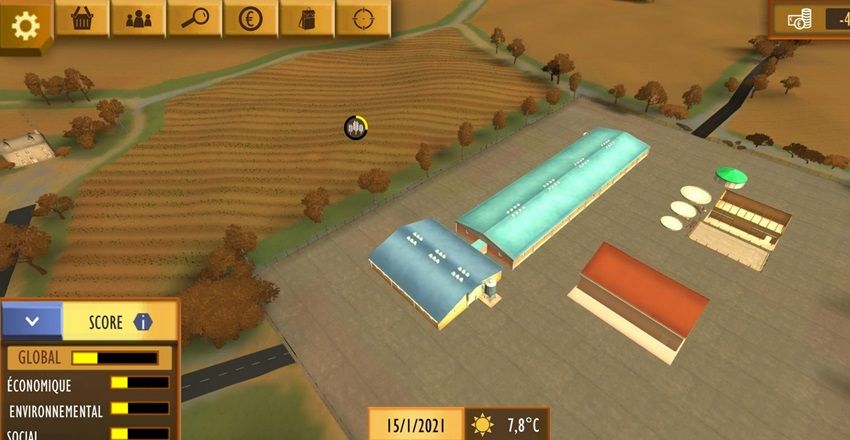
Reflecting on agroecology through play
There's nothing simple about being a farmer. You have to plan your activities throughout the year, make sure you have the right machinery, maintain it and so on. All with a view to ecology. A serious French game seeks to teach agroecology.
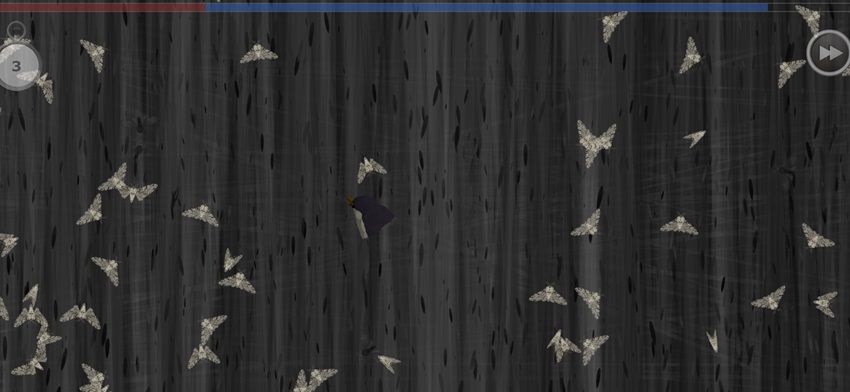
"Phalenes! understanding natural selection through play
A serious game designed to demonstrate natural selection and its effects on a moth population.