With climate change come consequences like rising temperatures, of course, but also droughts and disasters like forest fires. Canada has seen its share of devastating fires, with major repercussions across North America. Yet, with the help of First Nations' ancestral knowledge, some disasters could have been avoided or at least mitigated.
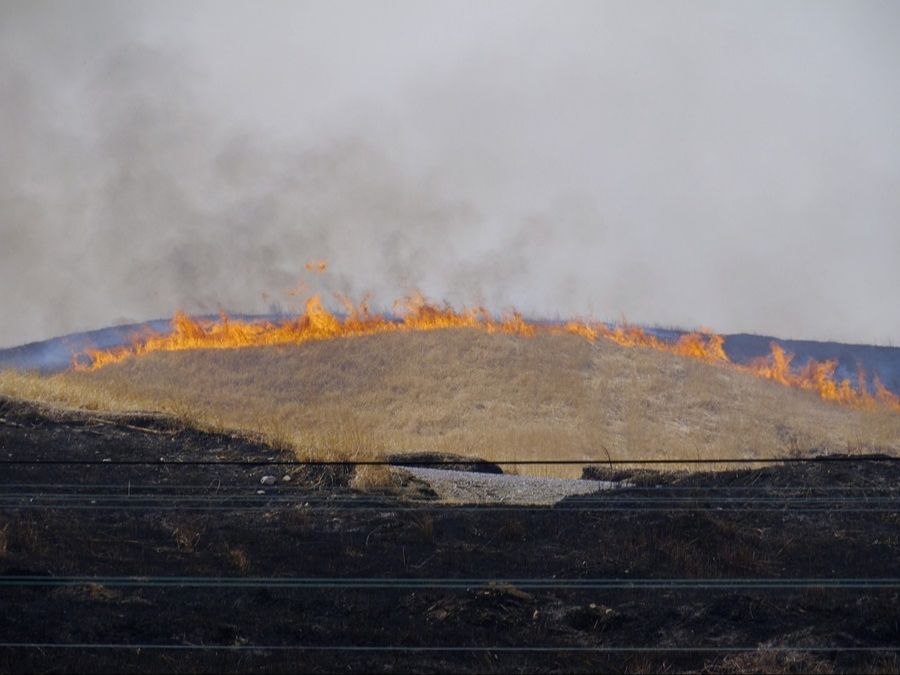
That's what two researchers say in this report from Radio-Canada in British Columbia. It shows a member of the Skeetchsten First Nation organizing burns using his people's immemorial techniques.
This former forest firefighter has returned to his community and seen the ravages of forest fires in recent years. Every summer, concerns mount as the fire season grows longer and longer. So, he carries out controlled burns just as his ancestors did before governments banned it (except on reserve territory). He sets fire to old or dry grasses or trees that could become fuel for fires.
In 2015, the climate conference finally recognized the traditional knowledge of First Nations in all countries as a means of combating climate change. As a result, burning is being reintroduced on some territories, and British Columbia seems ready to carry out pilot projects to reduce the potential natural fuels and thus the danger of forest fires.
The sharing economy has led to small changes in various economic sectors such as transportation, housing, etc. This approach has changed the relationship of citizens for different services, now cheaper and offered by their fellow citizens. However, who actually benefits from this new economy? The people or the companies in question? A U.S. newsgame shows how the life of Uber drivers isn't as lucrative as one might think.
All our lives have an online component. As a result, a large proportion of Internet users are at risk of being tricked by hackers. A short game invites Internet users to remember certain elements of cybersecurity using a space theme.
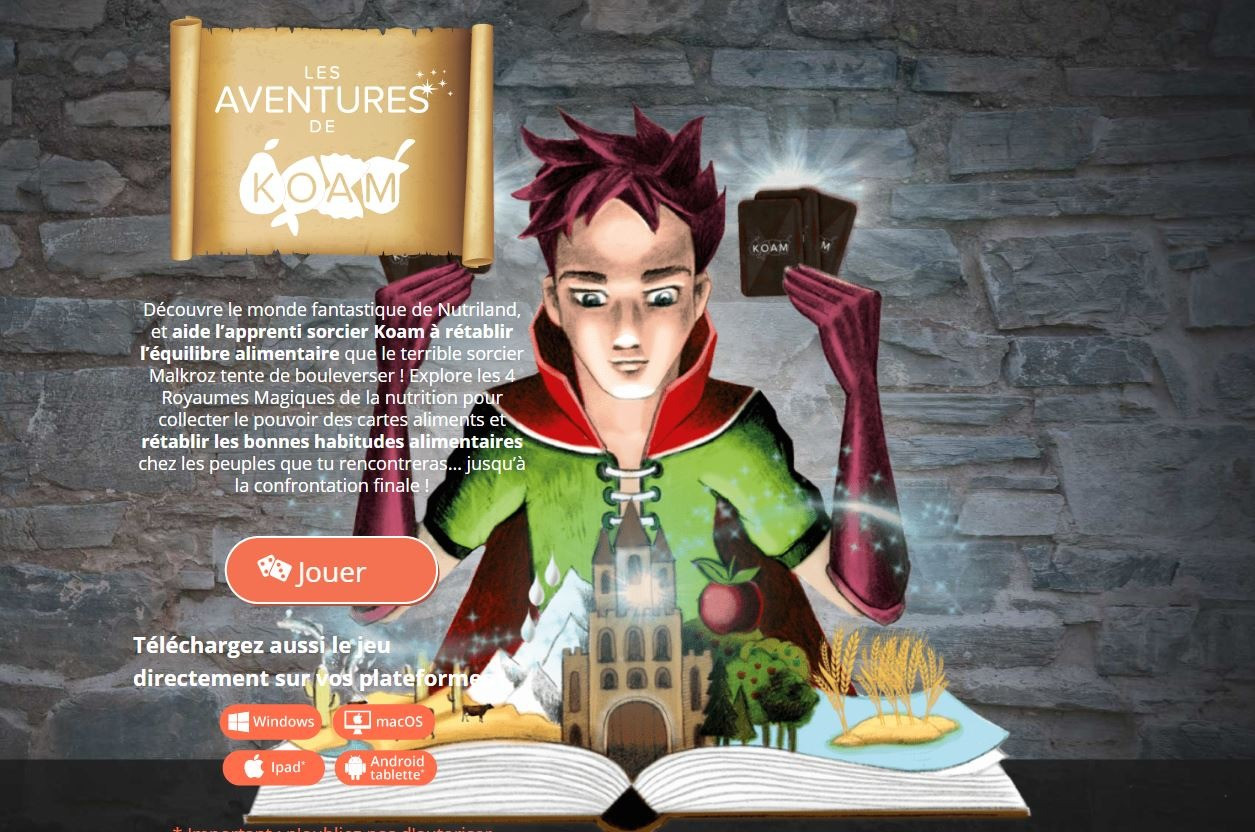
A veritable showcase for public health, Koam was developed by Nutrikeo, a consulting firm specializing in nutritional strategies. Supported by BPI France, the Nouvelle Aquitaine region and Europe, Koam is the result of two years' work by a team of leading specialists in nutrition, childhood, pedagogy, sociology, digital and behavioral theory.