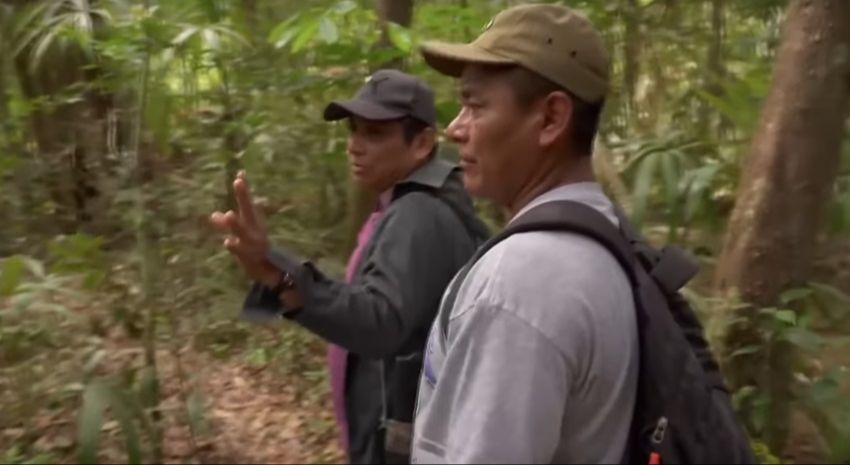
The Maya civilization disappeared for a variety of reasons, but one of them was the abusive deforestation they allegedly carried out on their lands. Centuries later, in Guatemala, in the shadow of the remains of ancient temples, forest communities are living off the forest and exploiting it in a more thoughtful way. Indeed, as this ARTE report makes clear, the Guatemalan government has made a pact with concessions and groups to exploit their environment in a healthy way.
The people living in these areas only cut down dying trees, and they respect forest regeneration. So, after 2 or 3 trees per hectare, they'll leave it alone for decades. They'll also make sure that tree seeds are planted so that others can grow. Some community members harvest forest products, ensuring that the harvest is not massive. Others carry out controlled burns to protect the forest from potential fires. Finally, there are those who observe and record wildlife movements, the return of species, and so on.
These forest communities are far more successful than national parks in avoiding deforestation, because they live there. Their conditions are far better than many of their fellow citizens, as they are paid enough and their children have access to higher education free of charge. It's an inspiring way of life, and shows just how much more effective nature conservation can be when the community is involved.
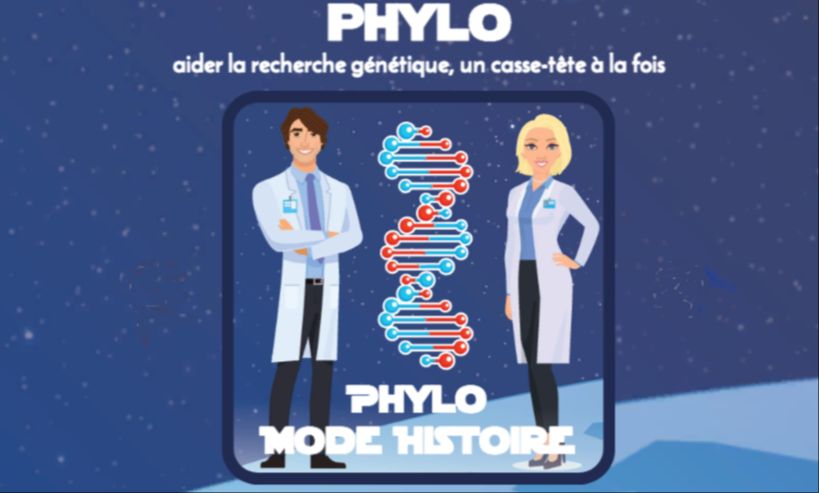
All our lives have an online component. As a result, a large proportion of Internet users are at risk of being tricked by hackers. A short game invites Internet users to remember certain elements of cybersecurity using a space theme.
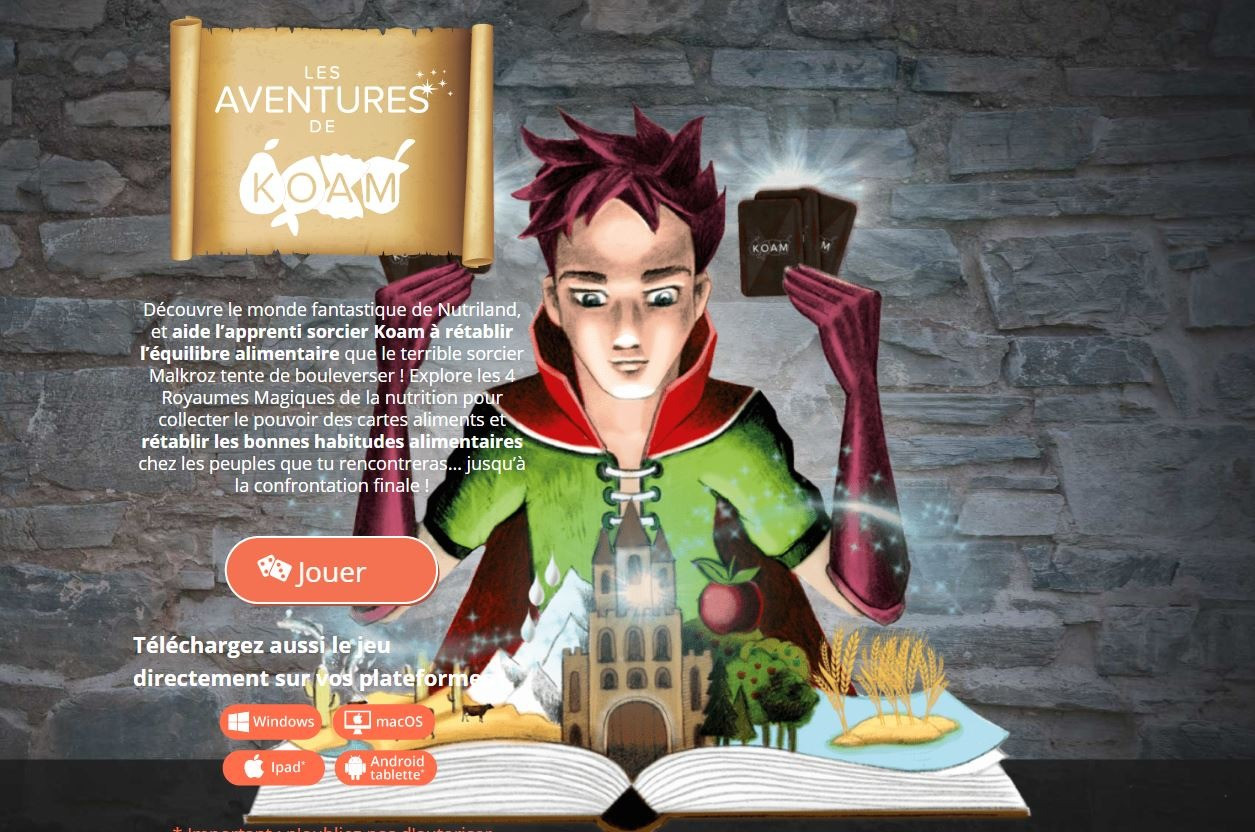
A veritable showcase for public health, Koam was developed by Nutrikeo, a consulting firm specializing in nutritional strategies. Supported by BPI France, the Nouvelle Aquitaine region and Europe, Koam is the result of two years' work by a team of leading specialists in nutrition, childhood, pedagogy, sociology, digital and behavioral theory.
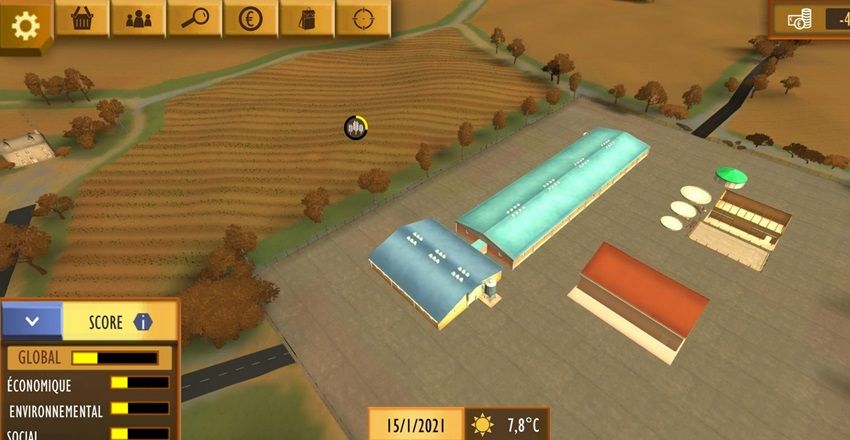
There's nothing simple about being a farmer. You have to plan your activities throughout the year, make sure you have the right machinery, maintain it and so on. All with a view to ecology. A serious French game seeks to teach agroecology.
To a layman, music is just a tune performed by a musician. Yet, if he were to play Meludia, he would learn all the rudiments and terms associated with musical practice.