Intervening in ecology is a delicate art, because if we don't understand the interactions well, we can be surprised by the results obtained - sometimes beneficial, often mixed. Respecting rhythms and balances is rarely part of the calculations of politicians or engineers, let alone investors.
There's something for everyone on the subject of ecology: alarmists, deniers, fatalists, scientists, realists, smokers, profiteers, visionaries, the disillusioned... Eventually, they'll all come together with their feet in the water, or in the same air-conditioned room, to grumble about their loss of comfort and privilege. Costly trends such as electric cars and atmospheric CO2 capture respect our operating and consumption patterns, but are getting us nowhere. Attracting votes and investment is not done with the vinegar of frugality.
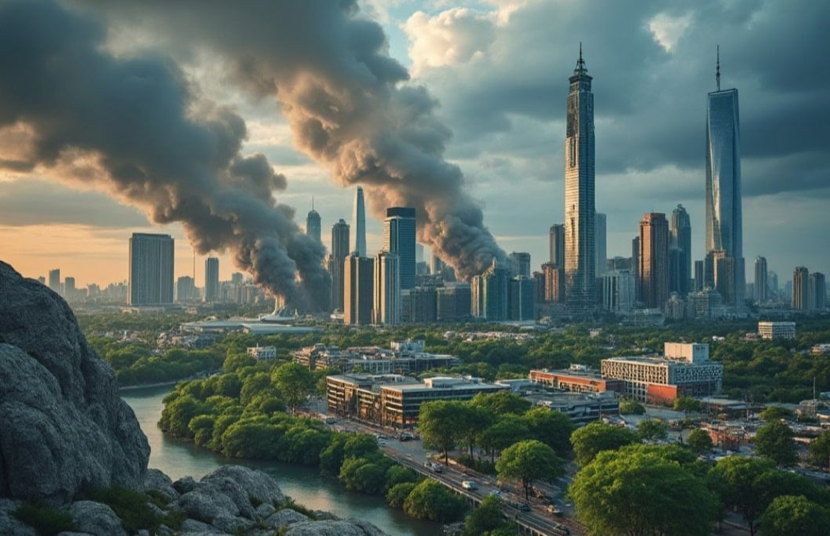
One of the fascinating aspects of the current situation is that, even though we've known for decades that our development model is unsustainable, we're continuing broadly along the same lines. Fossil fuel consumption continues to rise, biodiversity loss continues to worsen - and these are just two parameters. A 10-year-old child understands this easily... we can deduce that the social entity has not yet reached the age of reason, incapable of recognizing the link between its actions and the consequences of those actions. Those who manipulate the population to stay in power don't know how to assume this kind of responsibility.
How can we reach some form of agreement, at least on what's important, on a few facts, on a few objectives to be pursued, with flexible solutions? In ecology, there are no simple solutions.
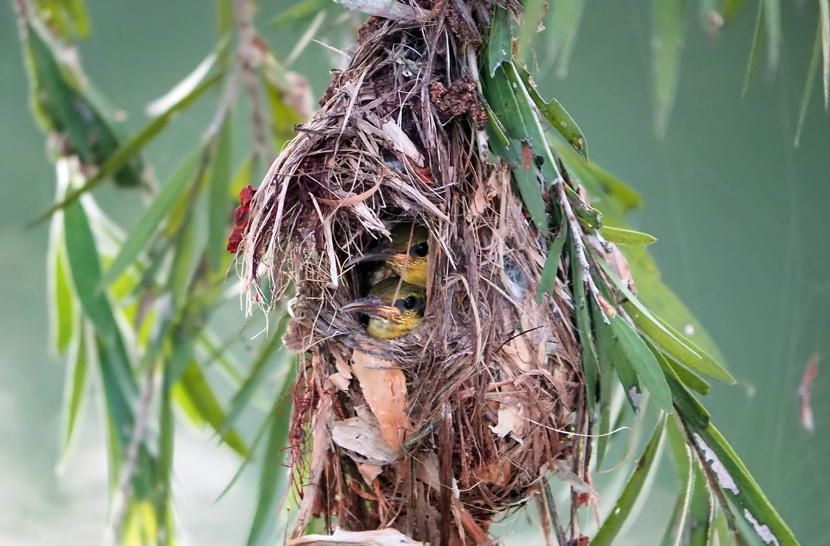
We think we're on our own, whereas there are multiple balancing agents - micro-organisms, insects, animals, plants - that can be put to work rather than neglected, ignored and their environments plundered or destroyed. Ecological balance is achieved with living entities, not machines. Is that so difficult to understand?
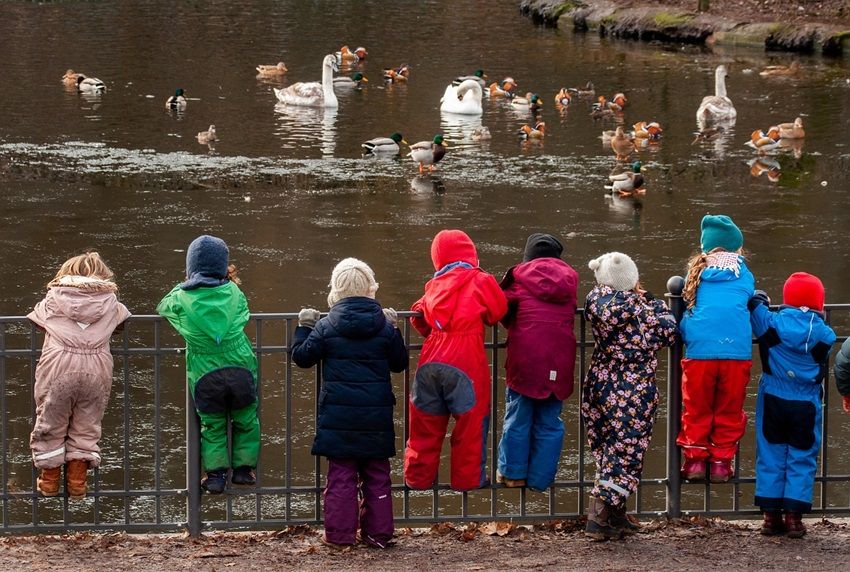
There were two billion people on earth in 1927; now there are eight, on the way to nine. The solutions for restoring ecological balance are necessarily multiple and complex. We have more knowledge and means than ever before in history, and we can mobilize them in new ways. Education in ecology and the environment is far more important than we think; it's the beginning of change.
Denys Lamontagne - [email protected]
Illustration: Dimitris Vetsikas on Pixabay